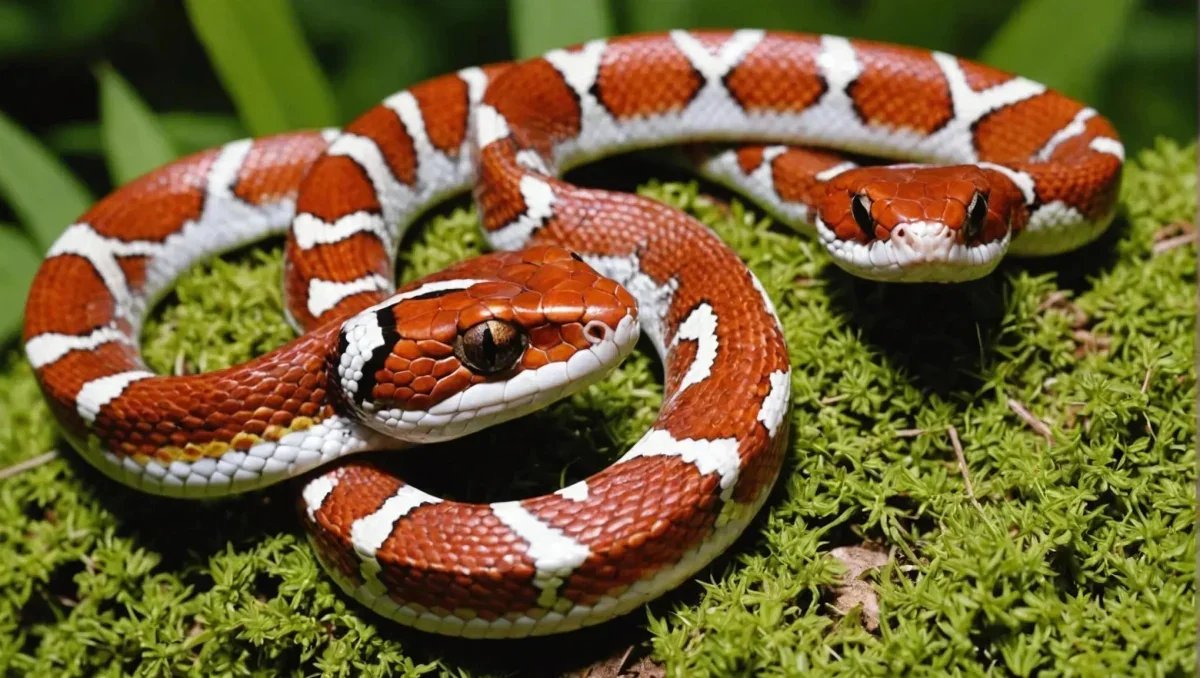
The corn snakes are the most common snakes that should be kept by beginners since they are docile, easy to handle and beautiful. Corn snakes require proper care to have a long and healthy life. Numerous novice owners have such questions as feeding, housing, and health. This article offers step-by-step guidelines for caring for your corn snake, helping you create the right environment, understand their behavior, and care for them without worry, among other things.
Understanding Corn Snakes
You can find corn snakes in the southeastern United States. These snakes are non-poisonous and smaller. They usually measure 3 to 5 feet in length and have a lifespan of 15 to 20 years with proper care. Corn snakes are nighttime creatures that may also be active during the daytime and particularly in secure areas. They are easy to handle because of their peaceful nature though they need a stress-free environment to perform well. Knowing their natural behavior helps the owners to create the appropriate habitat, diets and enrichment.
Setting Up the Ideal Habitat
Demonstrate a safe and escape-resistant enclosure and safe substrate. Keep the right temperature and humidity, provide hiding places and enrichment so that your corn snake can live happily.
Choosing the Right Enclosure
The area of corn snake care is the selection of the correct enclosure. When hatchlings, the 10-gallon tank is enough to keep baby corn snakes comfortable, and at least 20-40 gallons are required when they are adults to allow them to move and exercise. The fencing should be escape-resistant because the corn snakes are good at locating holes. Glass tanks with tight lids or plastic terrariums that have tight lids are best. It has to be well ventilated to avoid stagnant air, while also maintaining temperature and humidity levels.
Selecting Safe Substrate Materials
Substrate is vital in hygiene, comfort, and shedding. Safe and normally suggested are aspen shavings, coconut fiber, and paper towels. Aspen can be burrowed, coconut fiber can be used to keep humidity, and paper towels can be used to quarantine or juvenile snakes. You should not use cedar, pine, or any other aromatic woods because they emit oils that are toxic to reptiles and may lead to respiratory complications. The burrowing must not be so deep that the snake cannot move freely, and yet it should not be too shallow.
Temperature and Humidity
The temperature gradient in the snake enclosure should be provided to the snakes so that they can control the body heat. The hot side must be kept to approximately 85o F, and the cold side should be kept to approximately 75 F. The gradient enables the snake to thermoregulate efficiently. Heat under-tanks or use heat lamps with thermostats to keep temperatures constant. Humidity is also critical in maintaining healthy skin and shedding and preferably 40-60. Humidity should be raised a little when shedding, by mist sprays or a damp hide. Thermometers and hygrometers are used to monitor the conditions.
Hiding Spots and Enrichment
Corn snakes need hides in order to feel safe. You must prepare two hiding spaces for them, one hot side and the other one should be cold. The store-bought reptile hides may be in the form of hollow logs or hand-made boxes. Enrichment promotes natural behavior and avoids boredom. Add branches, rocks or man made plants to climb and explore. These extensions resemble a natural surrounding and make the mind and body active. Change enrichment occasionally to keep it interesting. These snakes do not require pet grooming services but make sure to provide them with a clean environment.
Feeding Your Corn Snake
Take care of your pet while feeding as pet nutrition is a critical part. It can affect the growth of your snake pet. Corn snakes are carnivores, which normally feed on rodents that are of appropriate sizes. The hatchlings consume pinky mice after 5-7 days whereas the adults can consume juvenile to adult mice or small rats after 7-14 days. Feeding of the rodents should always be done with pre-killed or frozen-thawed rodents to avoid injury. Live prey should be avoided unless as a necessity under supervision.
Health and Wellness
Health monitoring should be taken frequently. The typical problems consist of breathing disorders, mites and shedding difficulties. When an individual is ill, they may have signs such as wheezing, refusal to eat, lethargy, or abnormal shedding.
Make sure there is clean water and an enclosure in good condition to avoid infection. It is advised to visit a veterinarian on a regular basis to identify any health issues at an early stage. In severe or untreated injuries, you need pet surgery services to treat them. The eyes of a healthy corn snake are clear, its shedding is smooth and its behavior is active. The fact that you can see your snake every day allows you to notice the slightest indications of stress or illness at an early stage.
Handling and Interaction
Hold your corn snake with gentle hands by providing full support to its body. Do not touch it from the tail or head abruptly. This regular interaction will develop trust but avoid interacting during shedding or right after feeding.
This gentle handling reduces the stress and makes your pet relaxed and confident. Always take care of their comfort zone. Wash your hands before and after handling your pet snake to prevent infection and contamination. If you are going out of the city for a longer time, get professional pet boarding services for careful handling of your pet.
Shedding and Growth
The corn snakes molt every 4-6 weeks depending on age and rate of growth. These snakes need a humid and hidden space during shedding. After the shedding, make sure to examine the remaining eye caps or skin fragments to prevent health complications in the future.
Conclusion
Caring for your corn snake does not involve feeding but it requires more. It needs a well prepared and safe enclosure, a safe and appropriate substrate and keeping the right temperature and humidity. They also need to be fed regularly, handled gently and provided with mental enrichment for a healthy life. By monitoring their health and observing behavior, you can prevent many illnesses before they become severe.
By following these guidelines on a regular basis, the owner will be able to guarantee that his or her corn snake is healthy, active, and in a comfortable environment and will enjoy a long, stress-free and rewarding lifetime. Visit Park Hills Animal Hospital to get more caring guidelines for your exotic pets such as reptiles and others.
FAQs
What is the ideal tank size for a corn snake?
The ideal tank size for hatchlings may be 10 gallon tank but adult snakes need 20 to 40 gallons. The enclosure should be secured properly and escape proof.
Is it safe to keep corn snakes with other reptiles?
It is compulsory to keep a Corn snake separately. Keeping two or more snakes at the same place may cause stress or injury to them.
How do I maintain proper humidity for my corn snake?
You should maintain the humidity from 40 to 60 percent. If the space of your pet snake is dry, you must spray it to make it wet during shedding.
What are the signs that my corn snake is sick?
The symptoms that may lead to your corn snake being sick include wheezing, fatigue, unnatural shedding or mites. It is necessary to provide regular veterinary care for your rat snake.