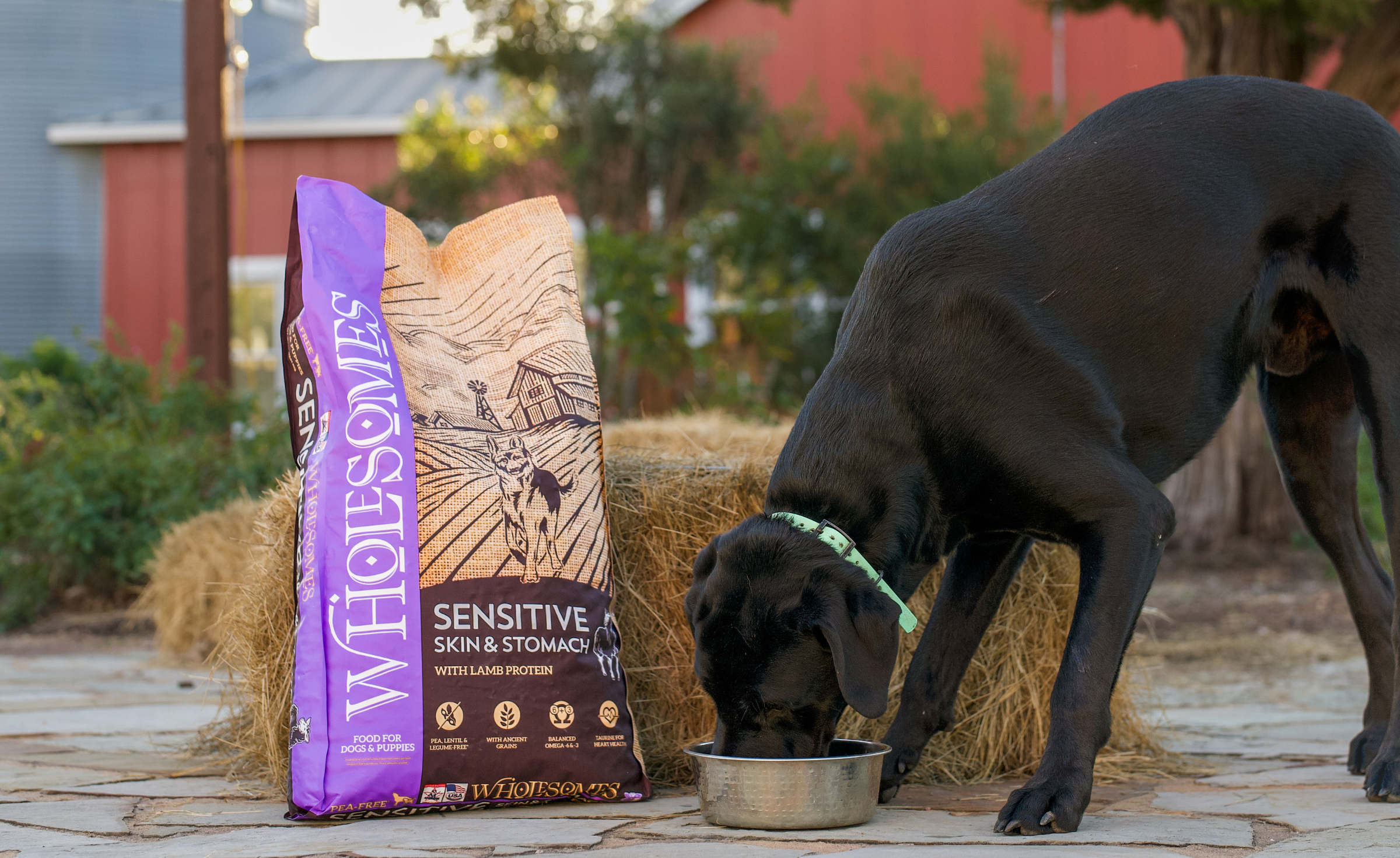
Protein is among the nutrients that are paramount in the diet of your dog. It assists in developing good muscles, healthy growth and keeps your dog busy and active. Protein is required to keep all the parts of your dog healthy and working well including the skin and coat, organs, and even the immune cells.
Dogs also require varying quantities of protein, based on their age, size, level of activity and their health in general. Puppies require higher protein to grow and the older dogs might require equal proportions to build muscle without straining their kidneys. Even such aspects as the breed, lifestyle and even medical conditions can modify the need of protein for dogs.
In this guide, you will learn why protein is important, the amount that your dog actually needs, and how to select the most appropriate sources of protein for dogs in the long term.
What Does Protein Do to the Bodies of Dogs?
Protein is extremely valuable for the health of the dog. Protein for dogs aids in building and repairing muscles, keeping dogs strong and active. Protein for dogs also helps in maintaining healthy skin and a shiny coat which is an indication of good overall health. Protein aids the immune system in combating disease, and aids in digestion enabling your dog to derive optimum benefits out of its food. Moreover, it supplies energy and allows you to maintain a healthy weight thus keeping your dog active and happy on a daily basis. To find out more tips on how to keep your dog healthy and strong, visit our Pet Grooming.
Healthiest Natural Dog Food Sources
It is important to feed your dog the appropriate sources of protein to ensure it stays healthy. Chicken, beef, fish and eggs are all animal proteins with essential amino acids that aid in muscle development and general health. Plant sources of proteins for dogs can also be added when needed like lentils and peas, which will provide more nutrients and fiber. Your dog will be better fed and nourished by consuming consistent whole-food protein as opposed to highly processed forms of dog food. Come to our Pet Boarding to learn how to take care of your pet and what to feed it.
How to Know the Right Protein Amount for Your Dog
Dogs require proteins in the correct quantity to remain healthy and the perfect quantity depends on the age, activity and general health of the dog. Vets suggest that puppies and pregnant or nursing dogs should get no less than 22.5% protein and adult dogs should get at least 18 percent to maintain normal bodily functions. Nevertheless, one thing that is very different between the minimum and the best amount is meeting the minimum and giving the best amount.
Most active dogs, developing pups and working breeds can be well served by an increased protein content whereas a working dog with a specific health issue may require a more balanced diet. Inadequate protein intake can cause loss of muscle, loss of energy, poor skin, and depression of immunity and excessive protein intake for dogs can result in weight gain or strain on dogs with impaired kidney functions. The right ratio of protein in dogs is also necessary, and the specialists at the Park Hills Animal Hospital will be able to guide you to the most appropriate level of protein that fits the unique needs of your dog.
High Protein Dog Food for Puppies: What to Know
- Puppies require increased protein for dogs intake to aid in rapid development, good muscles and healthy organs.
- The average percentage of ideal protein in growing dogs is usually 22-32%.
- High protein for dog food that is best to feed puppies is chicken, beef, fish, eggs or dog puppy blends.
- Errors to prevent: Not feeding enough, not feeding on adult dog food, and not feeding on quality sources of protein.
High Protein Dog Food for Weight Gain
In dogs that need to gain weight, high-protein diets for dogs are useful in the development of lean muscle and supply of constant energy. The proper feeding of underweight dogs and the selection of the appropriate high-protein dog food can prove to be a significant difference. To get further advice on healthy feeding, go to our page on Pet Nutrition.
Signs Your Dog May Need More (or Less) Protein
By keeping track of the health of your dog, you can see whether the diet of your dog is below or beyond the protein requirements. Dogs that are unable to obtain sufficient protein can experience such indicators as low vitality, loss of muscle mass, or reduced growth, and their coat can be dull or dry. Protein imbalance can also manifest in digestive problems such as diarrhea or a sore stomach. Conversely, excessive protein consumption at all times might cause kidney overwork or other health related issues, which tend to manifest themselves in the form of multiple visits to the veterinary or habitual medical problems. By listening to such signs that your dog has a healthy dog protein balance.
How to Choose the Best Protein for Your Dog
The first step to finding the appropriate protein to feed your dog is to understand their age, breed, and level of activity. Active dogs, puppies and working dogs are likely to require more protein compared to older dogs or those that are less active and might need moderate amounts. Such factors as health conditions and allergies are also important elements that define the appropriateness of the protein sources.
The dog food label is also a good reason to read and see the high quality protein sources and avoid fillers or low quality ones. Also, you must feed your dog a balanced protein food containing healthy fats and carbohydrates so that he is well nourished to provide energy and give the muscles the needed time to rest and so on. Taking these factors into consideration, it is possible to offer the most suitable diet based on the specific requirements of your dog.
Final Thoughts
Protein is vital to the muscles, energy, immunity, and general health of your dog, although the correct proportion is dependent on age, breed, activity and health conditions. Pay attention to individual nutrition and select the quality sources of proteins and the level of protein. It is important to always consult your veterinarian or a certified pet nutritionist to help him /her design a diet to help your dog stay healthy in the long run.
FAQs
Can dogs eat too much protein?
Yes, excess protein does lead to digestive disturbance, weight gain and in animals with problems with their kidneys, additional workload on the kidneys. You should feed your dog the correct amount of food depending on his age, activity and health.
Is raw protein better than cooked?
Raw protein has a higher potential of retaining more natural nutrients though it is also prone to bacterial contamination. Most dogs find cooked protein safer and easier to digest and still get the much needed amino acids.
Are grain-free high protein foods safe?
When properly balanced, grain-free diets are safe, however, some grain-free high-protein food items may be low in certain essential nutrients. Always make sure that you use a good quality formula that has been recommended by the vet, so that you are fully fed.