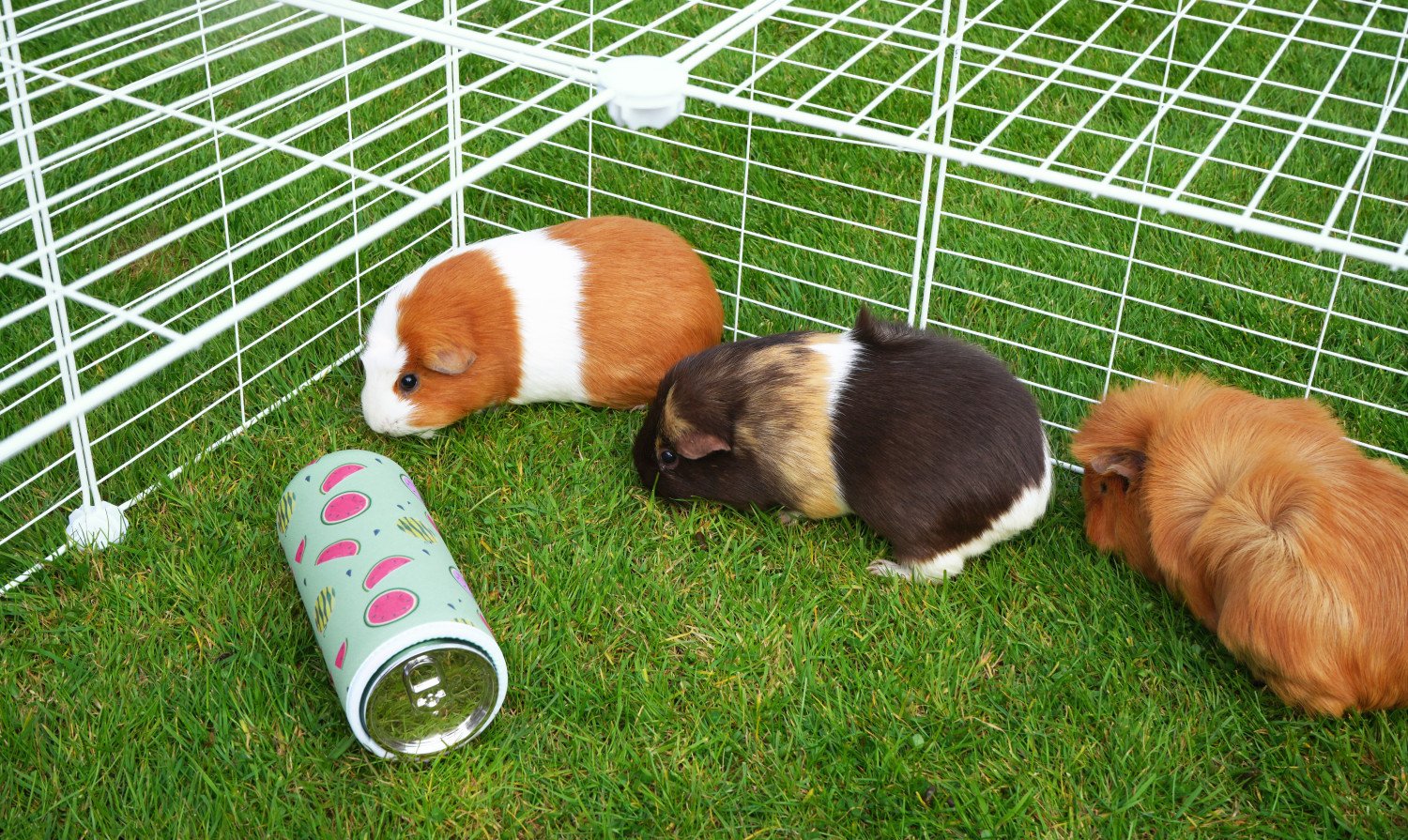
One of the major determinants of physical and emotional stability is the housing of guinea pigs. The guinea pig is a vulnerable prey animal that reacts rapidly to environmental stresses. Virtually small cages or improperly designed cages may cause respiratory diseases, joint disorders, and nervous behavior. Adequate cage size prevents physical strain by allowing movement.
Proper ventilation promotes proper lung performance and eliminates the development of moisture. Materials that are safe contribute to the reduction of the risk of injury and chronic foot conditions. This paper elaborates on the process of determining the most suitable cages used for guinea pigs on the basis of health-related considerations.
It also puts critical requirements in guinea pig housing and principles of guinea pig cage safety. This is aimed at assisting owners to make safe guinea pig cages that can contribute to long-term comfort and welfare.
Why Cage Quality Matters for Guinea Pig Health
The quality Guinea Pig cage has a severe effect on their health and longevity. They are prey animals that are highly sensitive to environmental stress. If you provide them with poor housing conditions, many behavioral and physical problems can occur quickly. Poor ventilation, it may lead to ammonia and dust accumulation and increase the risk of respiratory problems.
If you provide them with a limited space, it may restrict their movement which may affect their musculoskeletal system. This may also reduce their mobility and cause joint discomfort and obesity.
The inappropriate design of the cage could also impact the dental wear by restricting the natural feeding patterns. A proper housing supports pet dental care by continuous chewing of hay in a safe and clean environment. Behavior is highly dependent on the environment in which one lives and in most cases, poor conditions may lead to lethargy, anxiety or aggression.
A healthy environment to keep guinea pigs enables them to lead normal lives, display healthy emotions, and maintain their health.
Minimum Cage Size Requirements for Guinea Pigs
Cage size in guinea pigs is critical for physical well-being and normal functioning. Veterinary guidelines confer more emphasis on horizontal floor space rather than on the vertical levels. Guinea pigs require space to move, run and explore in their natural manner. Only 7.5 feet are necessary to house one guinea pig.
The minimum space required by two guinea pigs is 10.5 square feet so as to reduce the stress and congestion. If you have three or more guinea pigs, they need 13 square feet or above to move freely. Too small Cages reduce activity and flow.
This makes it higher chances of obesity, joint illness and muscle weakness. The size of the cage is adequate for the wellbeing of guinea pigs as it promotes mobility, comfort, and wellbeing in the long term.
Best Types of Guinea Pig Cages
To ensure the health and comfort of guinea pigs, it is necessary to choose the necessary type of cage. The various cage designs come with different degrees of space, ventilation and safety. Knowledge of these options assists the owners to select housing that can sustain the long-term wellbeing.
1. C&C (Cubes and Coroplast) Cages
C&C guinea pig cages are said to be among the superior guinea pig cages in the long run. They have flexible designs that comply with the recommended space requirements. Open grid walls are well ventilated and well air-flowing.
Fighting feet and joints are covered with a solid coroplast bottom. Such cages are also economical and expandable with a change in herd size.
2. Open-Top Guinea Pig Cages
Open top cages facilitate improved air circulation and interaction. Better ventilation is beneficial to respiratory wellness and the elimination of odors. The cages can also be more enriched in terms of the environment. Secure placement or protection covers are also necessary in a home where other pets are placed.
3. Commercial Store-Bought Cages
A lot of business cages are too small and improperly designed. The typical imperfections are low floor space and constraining designs. The acceptable models are expected to have good flooring, size, and bar space. Measurements should be checked before buying.
4. Indoor vs Outdoor Cages
Cages that are located indoors offer a stable environment. Outdoor housing exposes the animals to extreme temperatures, parasites and predators. Indoor cages are usually preferred for medical safety during recovery after a pet surgery.
Cage Materials and Safety Considerations
The determination of safe guinea pig cage material is critical to avoiding harm and keeping them healthy. Safe plastics, solid coroplast, and wire with safe spacing have to be used to avoid entrapment or chewing risks.
Wire-bottom cages are not good since they are likely to raise the risk of developing pododermatitis, which is a painful condition of the feet related to pressure and friction. Sharp edges and safe joints minimise the risk of cuts or abrasions.
The materials need to be durable and easy to clean as well to avoid bacterial contact through exposure. Safe guinea pig cage materials have to be prioritized to provide a protective environment that allows a long-term comfortable and health-promoting environment.
Ventilation, Temperature, and Environmental Control
Guinea pigs do well in temperatures of 65-75 °F (18-24 °C). Ammonia and dust may be locked in the inadequate ventilation, thus an infection risk may occur. Having a proper airflow leads to a clean, dry environment that is dry.
Do not leave the cage exposed to direct sunlight and those areas that can experience extreme temperatures such as hot or cold. Proper temperature and ventilation are essential to prevent stress-related illness and support respiratory and overall health.
Essential Cage Accessories for a Safe Living Space
A healthy environment for Guinea pigs may include proper bedding such as paper or fleece to reduce moisture and odor. The hidden places or shelters help them by releasing stress and providing a sense of security. These cages should also contain food bowls, hay racks and water bottles to meet nutritional needs safely. A balanced pet nutrition such as fresh hay is also essential to prevent dental and gastrointestinal issues.
Provide them with sufficient space that allows them to move freely and they may include tunnels, toys to support their physical and mental stimulation. By providing these accessories, you can create the best and safest cage for these guinea pigs that helps them to promote long-term health and comfort.
Common Cage Mistakes to Avoid
Some of the cages sold to the guinea pigs are too small to ensure they can move. Cages meant to support other rodents are multi-level and may lead to injuries and falls. Lack of access to cleaning results in hygiene problems, exposing them to the risk of illness.
Regular cleaning with pet grooming prevents skin and musculoskeletal problems. Prevention of such problems results in a safe and comfortable environment that promotes physical and behavioral well-being.
How to Choose the Best Guinea Pig Cage for Your Home
Choose a cage based on available space, dynamics in the household and the number of guinea pigs. Safety, ventilation, and mobility should not be sacrificed to make cost-effective choices. Housing Plan: This is to be done long term, in case you expect more guinea pigs. The type of cage chosen is a support of comfort, stress reduction and general well-being.
Conclusion
The choice of the most appropriate cages for the guinea pig as safe havens is an important medical and welfare choice. Concentrate on cage size, materials, ventilation and comfort to promote a healthy and long life. By making the guinea pigs care about these aspects rather than aesthetics, one can ensure the survival of the animals, and it will offer them a safe and enriching home. You can visit Park Hills Animal Hospital to read more information on preventing illnesses in your pets and live a healthy and happy life with your Pets for a longer time.
FAQs
How much floor space do guinea pigs require based on group size?
One guinea pig will require a minimum of 7.5 square feet of floor space. Pigs that are 2 in number need 10.5 square feet and three or more need 13 square feet or more. Horizontal space is more critical than vertical levels to enable natural movement and avoid such health related problems as stress.
Why are wire-bottom cages considered unsafe for guinea pigs?
Pododermatitis is a painful foot condition that could be caused by wire-bottom cages. Coroplast or safe plastics should be used to create solid floors to safeguard the feet and joints of guinea pigs.
Can guinea pigs live outdoors?
Guinea pigs in outdoor cages are subjected to extreme temperatures, parasites, predators and stress. The confinement is usually safer with indoor cages, which are also a safe environment with a consistent temperature and shielding against dangers.
What materials are safest for guinea pig cages?
Solid coroplast, wire and non-toxic plastics with proper space between them are the safest. Cages should not have sharp edges, toxic coats or chewable and ingestible materials by the guinea pig cages.
What accessories are essential for a safe guinea pig cage?
The accessories essential for a safe guinea pig cages case include comfort bedding, hidden spots for stress reduction, hay racks, food bowls, water bottles and toys. These will provide them with support for both physical health and mental stimulation.