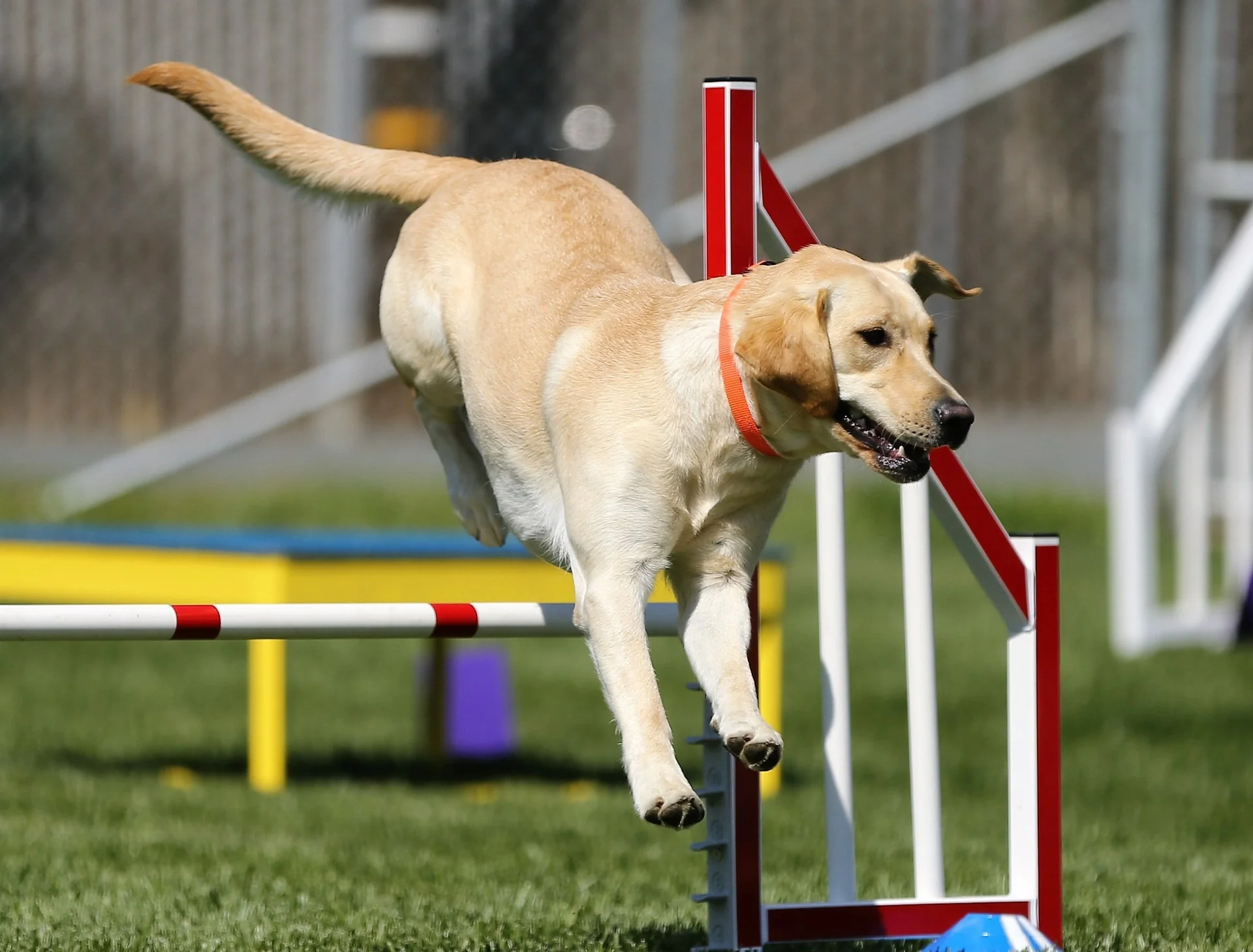
Puppies love movement. Before their bones are fully developed, they run, jump, twist and play. The initial pain can be masked by the joy. Many owners notice a limp and think that it will resolve. This guide provides clear guidance on bone diseases in growing dogs and puppies, symptoms to look out for, dietary considerations, veterinary care and home practices to help ensure proper bone development, helping pet owners in the United States take proactive measures to safeguard healthy growth.
Why Fast Puppy Growth Needs Close Attention
Fast growth, breed size, genes, food balance, weight and injury are all factors that can be associated with bone diseases in growing dogs and puppies. The bigger the breed of puppy, the greater the risk – their bones develop more rapidly and their joints bear more weight. Early care is important as little niggles can become chronic pain.
Growth plates need steady care
Young bones have growth plates located near the ends of the bones. They assist bones to grow longer in puppy months. Stress is caused by hard falls, rough jumps, slippery floors and additional weight. When a puppy is favoring one leg, it’s time to take action regarding bone diseases in growing dogs and puppies.
Owners should help to ensure safe play, rather than prevent all play. Healthy growth is achieved by means of short walks and gentle play. Age safe exercise rules should be put in place in pet boarding plans. Rough group play and high jumping are to be avoided by staff.
Common Puppy Bone Problems to Know
Bone diseases in growing dogs and puppies are diseases that impact bones, joints and growth plates. They do not require a diagnosis at home by the owner. They should be aware of changes at an earlier stage, have their pets examined by a veterinarian and get X-rays.
Osteochondrosis affects young joints
Many medium, large and fast growing dogs are affected with Osteochondrosis. It alters the normal cartilage/bone growth in joints. Commonly occurs in the shoulder, elbow, knee or hock. According to the MSD Vet Manual it is a developmental disorder of rapidly growing dogs.
Bone diseases in growing dogs and puppies can manifest themselves as limping, stiffness or pain following rest. Treatment options for joint pain may include rest, weight management, medication, physical therapy and Pet Surgery.
Panosteitis and HOD cause pain
A common symptom of panosteitis is when young large breed dogs begin to develop shifting leg lameness. HOD is a frequent condition of young large and giant breed dogs and results in pain around the growth areas of the long bones. If the fever, swelling, lack of appetite or lack of energy is present, this is cause for concern.
Many problems can cause a dog to limp, so it’s important to have your growing puppy or dog checked by a veterinarian if you notice that it’s limping. Human pain medicines should NOT be administered by the owner. Dogs are sensitive to many of the human medications, even in small doses.
Warning Signs Owners Should Not Ignore
A dog bone disease may be initially manifested by small changes, especially in growing dogs and puppies. A puppy can be more settled, not climb up stairs, not jump into the car or not play as much. If the signs recur, it’s time to call the vet.
Watch Gait, Mood and Touch
Even if the puppy hurts, he or she can be happy to see the family. That is no consolation. Be alert for an irregular gait, bunny hopping, difficulty getting up, shorter stride or crying upon touching a leg. Feel for heat or swelling around a joint.
Puppy joint pain tends to be worse after rough play and/or extended walks. Take notes regarding activity, food and signs. These notes can provide your veterinarian with patterns. Pet grooming employees might also observe changes in gait during grooming such as bathing, nail trimming and brushing.
Nutrition and Weight Shape Bone Health
Often, bone diseases in growing dogs and puppies are associated with diet balance and body weight. Puppies require adequate nutrition, but excess calories and/or calcium can increase risk in large breed dogs. AAHA advocates routine nutrition checks and body condition checks.
Choose food for breed size
Large breed puppy food regulates the amount of calories, calcium and phosphorus. For large breed puppies, calcium and phosphorus balance is important, AKC points out. VCA Hospitals cautions that too much calcium can be detrimental to the bones of large and giant breed puppies.
Avoid calcium unless directed to do so by your vet. Don’t free feed if there are too many weight gains. Pet nutrition guidance is used to balance the food quantity to age, breed, body score and growth goals. Lean growth results in less stress on soft joints.
Additional weight results in increased strain on immature joints. Lightly press ribs; check for a defined waistline from above. Weight is not always the cause of bone diseases in growing dogs and puppies, but control of weight will help to keep the joints comfortable.
Diagnosis and Daily Care Start With a Vet
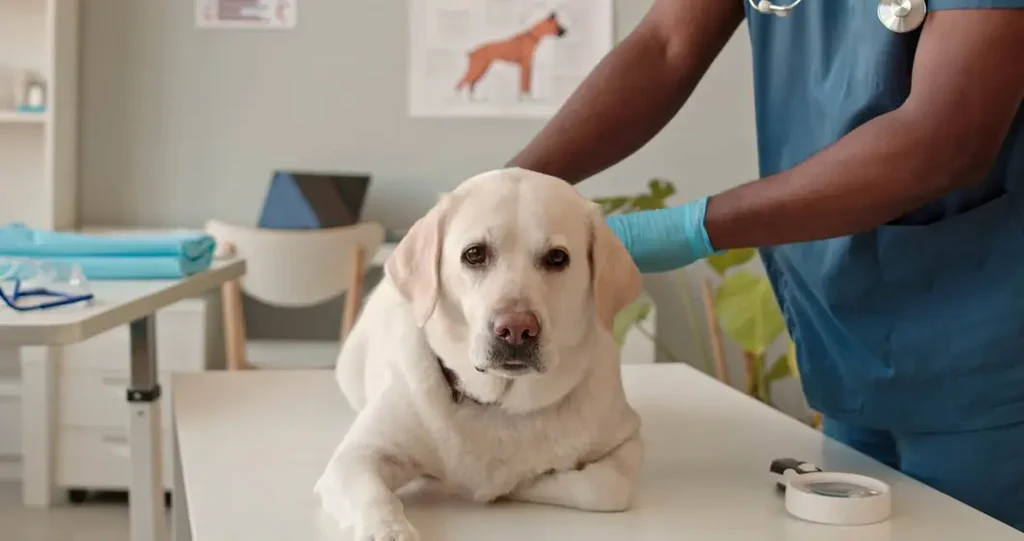
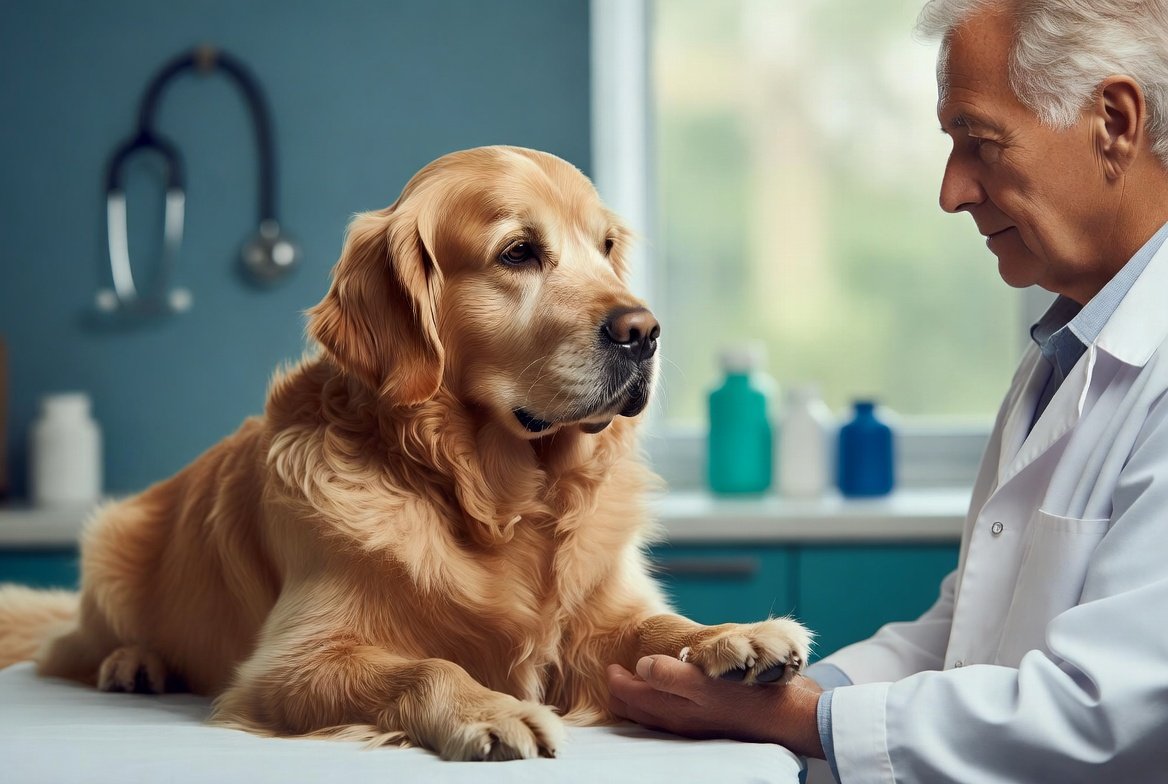
It is essential to get bone diseases in growing dogs and puppies diagnosed properly so that they can receive the care they need in a timely fashion. A veterinary examination of gait, pain, joint movement, fever and breed risk. When symptoms persist, X-rays, blood tests or a referral to an orthopedic specialist may be helpful.
Care depends on the condition
Rest and pain medication may be required for some puppies. Some require a change of diet and weight plans. Others require rehab, surgery or close follow up. Orthopedic care is the screening, diagnosis, treatment and rehabilitation of bone and joint disease, notes Cornell.
Timing of spay and neuter may be important for certain large breed dogs. Don’t use a one-size-fits-all approach to timing; consult with your veterinarian. Before your vet offers advice your vet can take into consideration growth, breed risk, behavior and lifestyle.
Make the home safer
Provide ramps for cars & couches as necessary. Place rugs on slippery surfaces. Take a short walk, rather than a long run. Do not allow the puppy to get tired and clumsy. Don’t run or jog them until they are fully grown.
It takes teamwork to deal with bone diseases in growing dogs and puppies. The same rules are required for your vet, family, trainer, groomer and caregiver. Make sure anyone who cares for your puppy is aware of the care plan. Regular care minimises setbacks and helps to ensure comfort.
Final Thoughts for Puppy Owners
To prevent bone diseases in growing dogs and puppies, it is important to pay attention to their needs early on, to control their food intake, to provide safe exercise and to follow a regular vet care schedule. Owners should be alert to any changes in play, swelling, stiffness or limping. A quick check helps to ensure comfort and growth. Puppies make healthy choices every day to keep them active, lean and strong. Seek assistance early and adhere to the care plan when there is a change is noticed. To get the best care for your pup and advice, call Park Hills Animal Hospital.