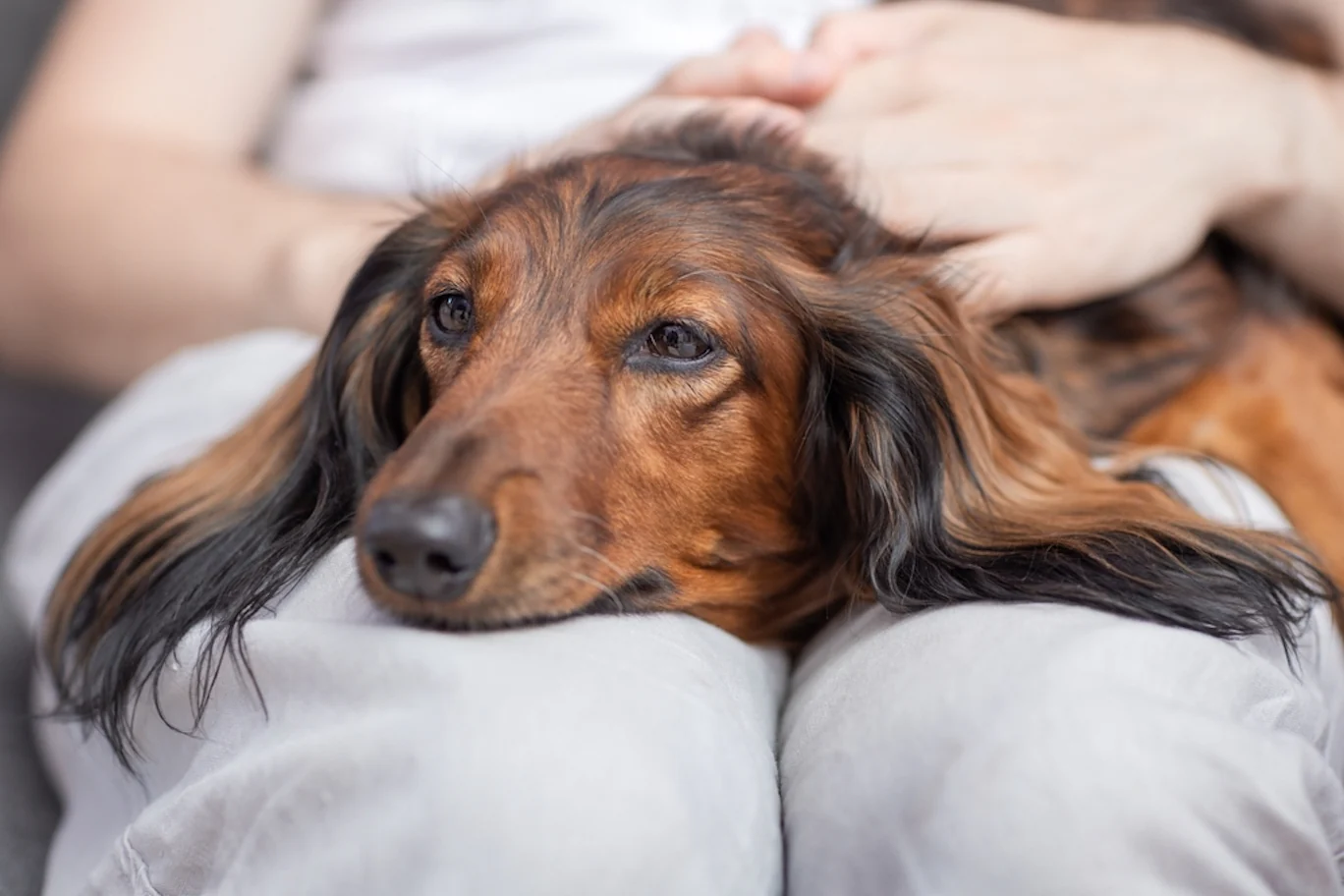
With consistent health decisions, many dogs can enjoy a healthy and strong senior season. An aging dog’s longevity depends on daily food, weight, activity, veterinary care, comfort, and early action. This guide will help dog owners in the United States to understand the key factors that influence the care of older dogs and contribute to a longer and happier life at home.
Daily Choices That Shape Aging Dog’s Longevity
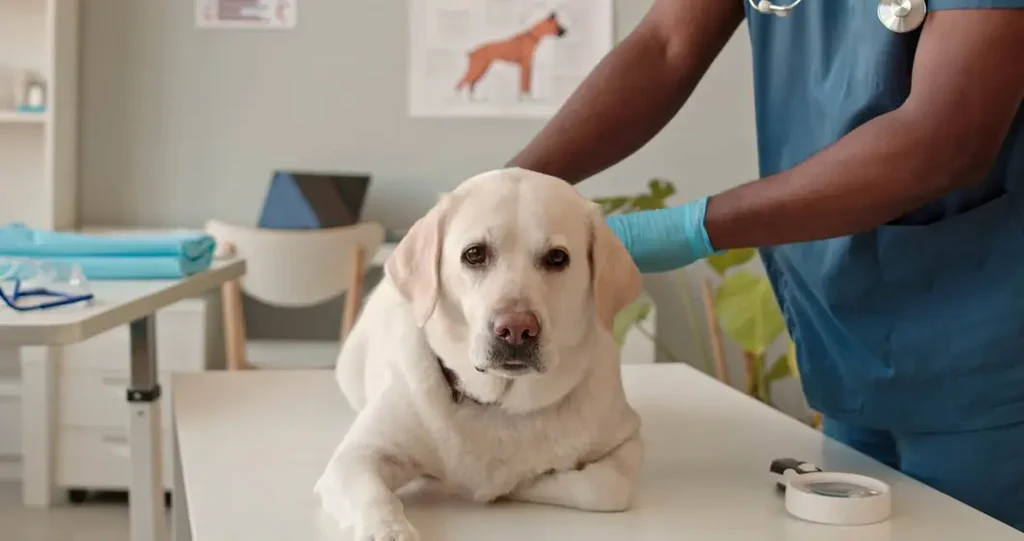
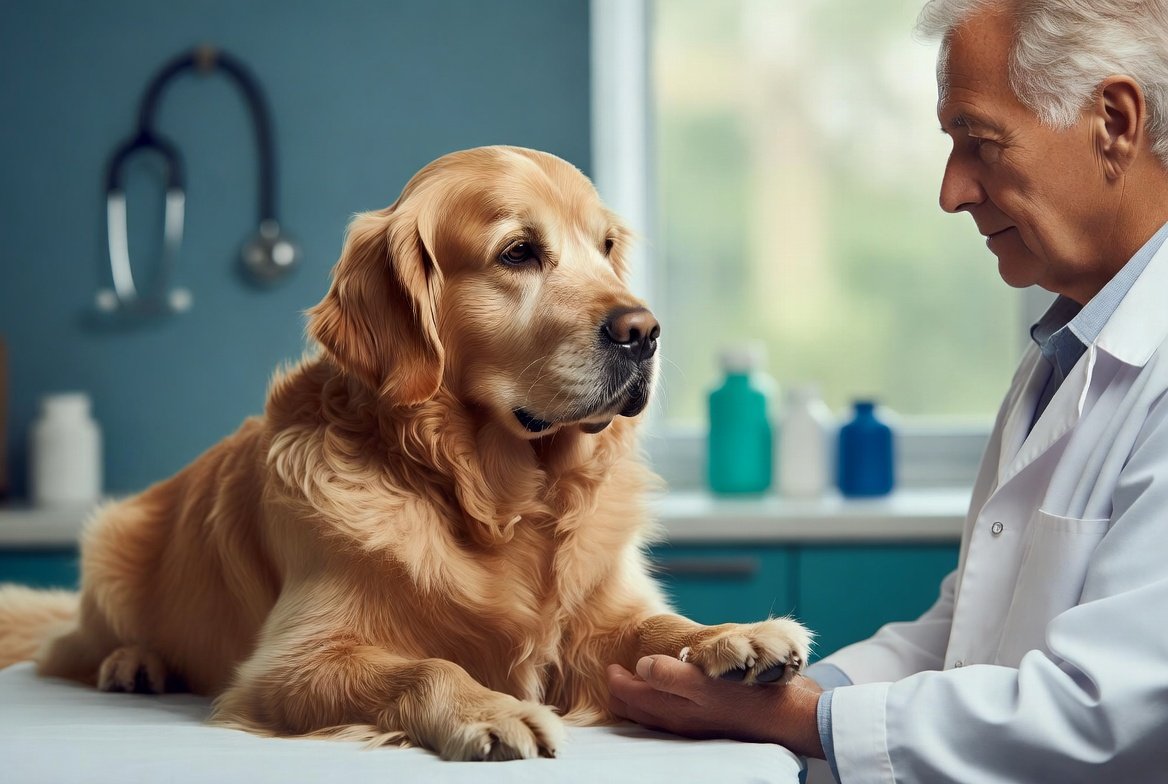
The first step in a dog’s longevity is the simple things owners do on a daily basis. The connections among food, movement, weight checks, dental care, home safety and regular vet visits are all clear. According to the AVMA, senior pets require vet visits twice or more per year, as early detection of health problems prevents them from becoming more serious. This constant care program is for healthy aging in dogs.
Keep Care Steady at Home
Older dogs require a quiet lifestyle. Serve food at regular times of the day. Provide short walks, fresh water, soft resting spots and good traction on the floor. Early recognition of small changes by the owner can lead to better longevity for aging dogs. Monitor food and water intake, weight, sleep, breathing and movement. Take those notes and share them at each wellness exam.
Breed Size and Body Type Affect Lifespan
There is often a relationship between dog lifespan and the size of the dog, breed characteristics and facial conformation. A 2024 study published in Scientific Reports correlates a shorter nose and smaller body size with longer lifespans across many breeds. For large dogs, size often affects the rate of aging. Dogs with flat faces might be at a greater risk of breathing and heat stress.
Know Your Dog’s Normal Pattern
The aging dog’s longevity can vary from dog to dog. A large dog can enter its senior years sooner than a small dog. It’s important for owners not to compare all dogs based on age. Request a Life Stage Plan from your veterinarian. This plan can be customized for a breed, weight, health history and daily needs.
Weight Control Protects the Whole Body
A healthy weight helps to maintain healthy joints, heart health, breathing and comfort. Senior dogs will have a difficult time moving around with excess weight which can cause stress. A lean body also allows a vet to see muscle loss, swelling or pain quicker.
Use Food as Health Support
The proper calorie plan is required for aging dog’s longevity. When the label bears the claim complete and balanced food, the FDA says the product can be used as a pet’s principal diet. Treats and snacks are not generally a substitute for meals. Enjoying good pet nutrition, senior dogs can remain strong without excess weight.
Dental Health Links to Senior Comfort
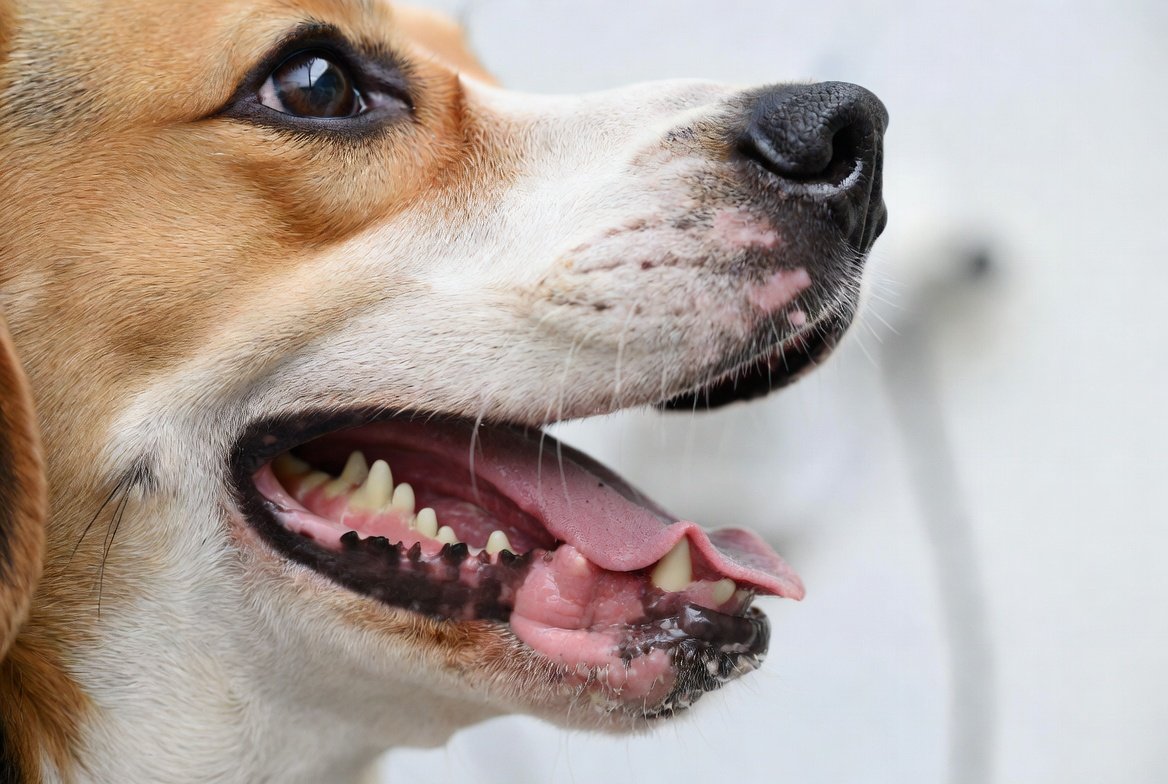
When a senior dog has mouth pain, their eating, sleeping and behavior can be affected. Body stress is also caused by dental disease. Dental exams are a common part of senior checkups and some dogs require dental X-rays to find out what is going on.
Watch The Mouth Closely
Clean teeth and early mouth care are benefits to an aging dog’s longevity. Bad breath, drooling, bleeding gums, pawing at the mouth and dropped food should be treated by a vet. Good pet dental care help to maintain comfort and appetite. Do not ignore mouth pain as older dogs often do a good job of concealing it.
Regular Vet Visits Catch Silent Problems
More than just a yearly visit is required for senior dog care. Dental, weight, urinary, mobility exams and blood tests can detect early signs. According to the AVMA, exams may include blood tests and tests for age related health problems.
Use Exams as a Life Plan
The more times you come in, the longer the health record of your dog, the better Aging Dog will be able to help him with his longevity. Vet compares new results to past results. This trend is an indicator to help direct care in the absence of severe signs. Discuss arthritis, kidney health, heart health, vision, hearing and pain. It can be the little things that count the most for older dogs.
Movement Keeps the Mind and Body Strong
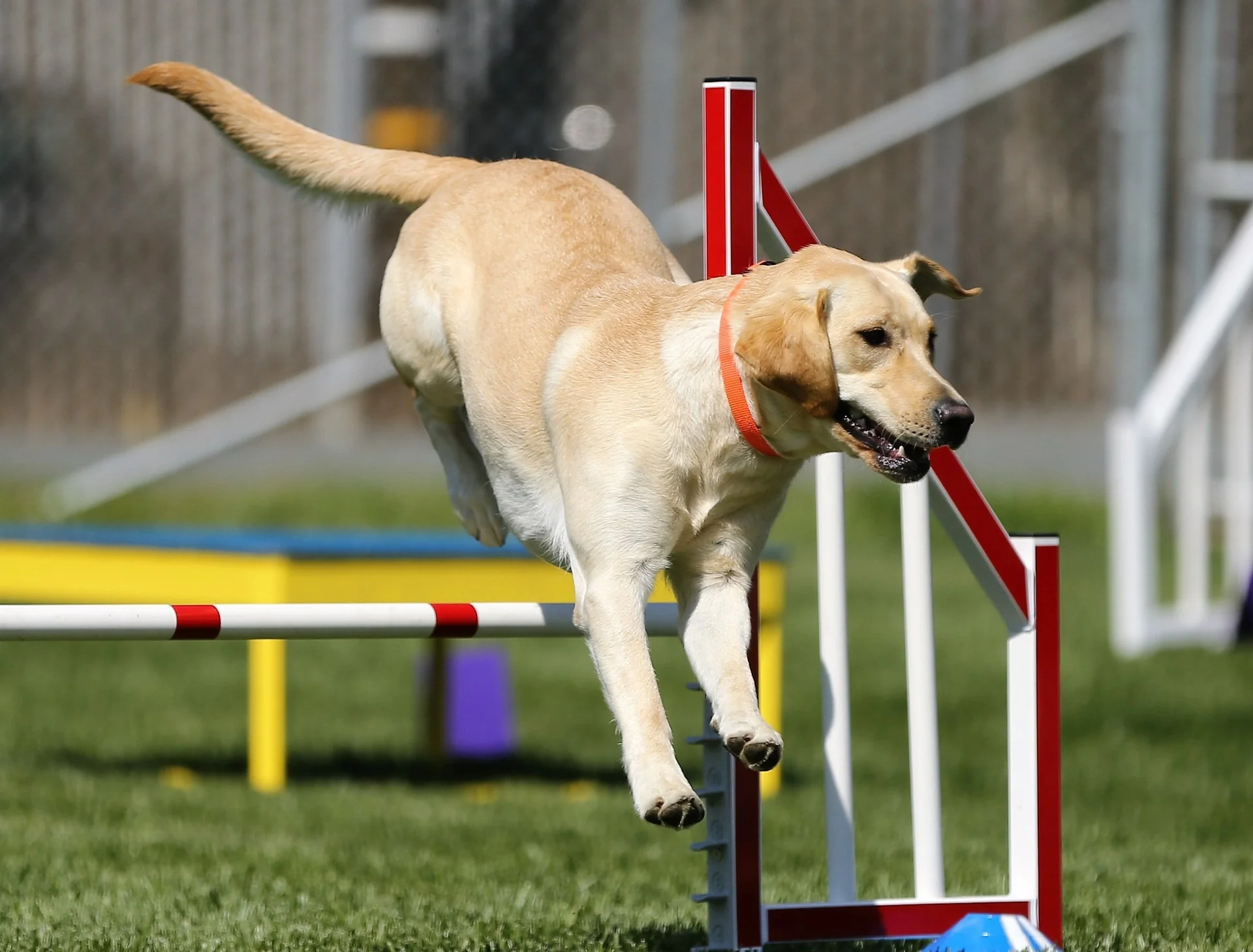
Older dogs still have to be active. Exercise helps with joints, weight, mood and sleep. Low stress movements are used in the right plan. A dog can get plenty of exercise through short walks, slow play, scent games and light training.
Choose Gentle Daily Activity
There is no need for strenuous exercise with an aging dog’s longevity. Requires consistent movement that is appropriate to the dog. Stop if your dog lops, pants excessively or refuses to move. Pet grooming also enables owners to check for lumps, sore spots, skin changes and stiffness when their pets are calm and in the comfort of their home.
Reproductive History Can Influence Health
Spay and neuter are important for aging dogs of larger breeds. Owners can consult a licensed veterinarian as no single plan works for all dogs. This is determined by medical history, size, behavior and risk of cancer.
Discuss Timing With Your VET
With an aging dog’s longevity, there is no need to guess on a general level, personal care is required. For some dogs, changing their status can be beneficial, for others, it might require more precise timing. A veterinarian can discuss the risks in lay terms. The owner should consider their health records, present health and future care plans before the final decision.
Home Comfort and Stress Control Matter
Older dogs require safe floors, easy beds and quiet resting areas. The peaceful atmosphere help to reduce stress and aids their mobility. Dogs with sight and hearing loss require simple and consistent routines.
Plan Care During Travel
Safe care for owners traveling is also important to the aging dog’s longevity. Board pets with pet boarding services that adhere to feeding schedules, medication schedules and movement restrictions. Carry a familiar food and health records. When caregivers are knowledgeable about their older dog’s normal behaviors and warning signs, they will feel more secure.
Medical Care Helps Quality of Life
For some senior dogs, it may be necessary to take medication, undergo therapy or have pet surgery to keep them comfortable. Care is not determined by age. Vets assess quality of life, pain level, bloodwork and heart health before making treatment recommendations.
Focus on Comfort and Function
Aging dog’s longevity is more than just months. It also signifies better days. Observe whether your dog can eat, walk, rest, say hello to family members and enjoy favorite routines. Many senior dogs can be made more comfortable through pain management, joint care, dental care and disease management.
Final Thoughts
Aging dog’s longevity is the result of consistent care, early veterinary care, proper weight management, dental hygiene, safe mobility and a peaceful home environment. While breed and size are important, so is the day to day care. Pay attention to the small changes and request your veterinarian to make a plan for your older pet. With a few simple steps, your dog can experience more good days with Park Hills Animal Hospital.