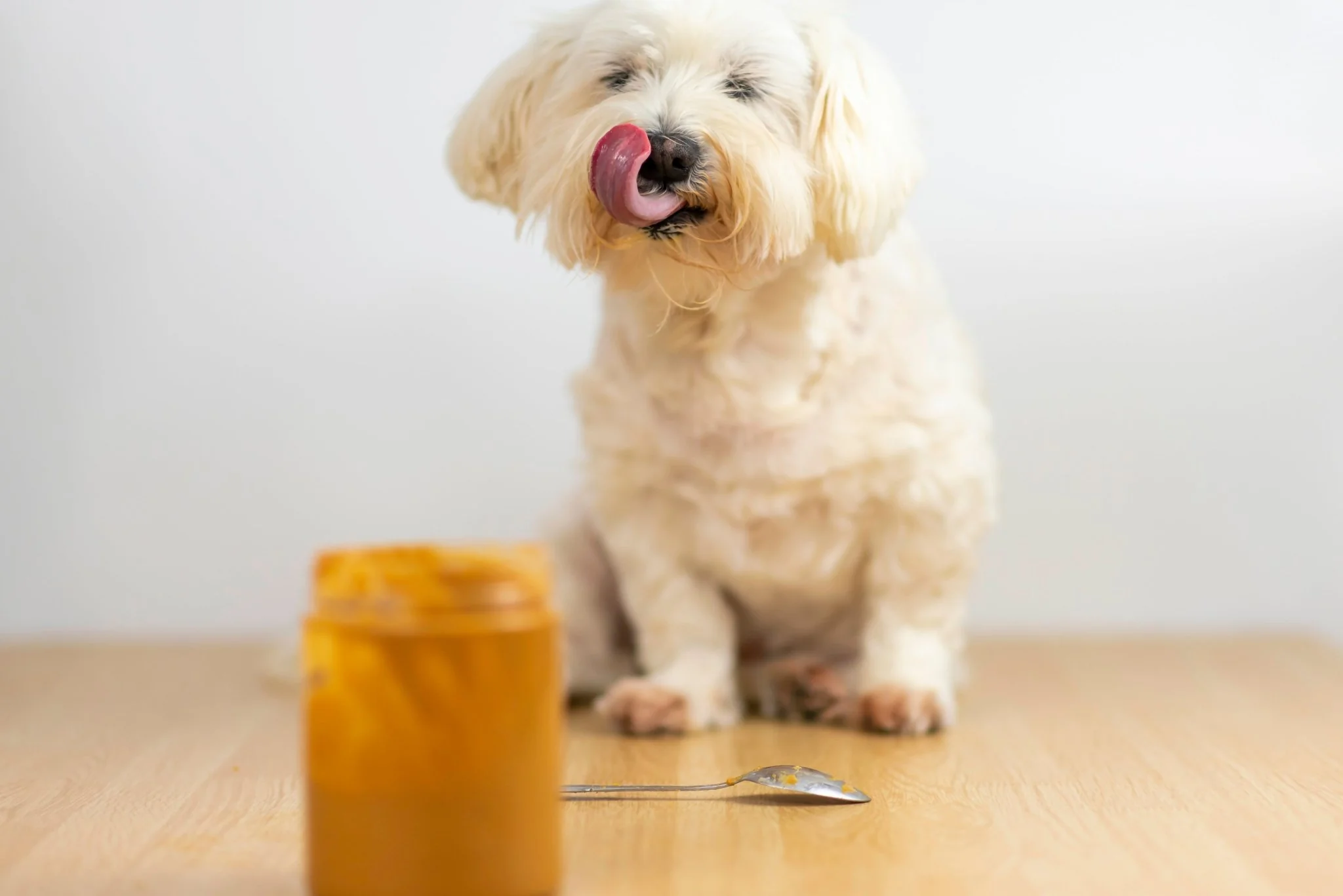
Many dogs enjoy peanut butter and pet owners use it to treat, play and give pills to their dogs. However, it can be beneficial for a dog but it can also be devastating. When using peanut butter for dogs, there are a few things to watch for, proper amounts to use and some smart ways to use it. This will cover information on safety, xylitol, portion sizes, health risks and improved options for American households. It will provide easy to follow advice on everyday care from a vet.
Safety Basics Every Dog Owner Should Know
The American Kennel Club says that dogs enjoy peanut butter if it does not contain xylitol and it should be fed in small amounts. This means that it is more important to have the right product than the flavor. Pet owners should always read labels as brands may change ingredients without notice.
What Makes it Safe or Unsafe
The ingredients of safe peanut butter are simple. It contains peanuts and may contain a small amount of salt. The best option contains no xylitol, added sugar or chocolate. Peanut butter for dogs should be fed in moderation as it is high in fat and calories. A vet can help a dog with weight, pancreas or stomach problems.
Xylitol Creates the Biggest Dog Safety Risk
Xylitol is also known as birch sugar and can be toxic for dogs. FDA warns that xylitol poisoning can lead to vomiting, weakness, poor balance, collapse and seizures. Some peanut butter brands may use this sweetener so read every label. You should check xylitol, birch sugar, wood sugar and birch bark extract and never use any jar with these names. Sugar free sweeteners should not be used for dogs. Consult a licensed VET if your dog inhales a product containing xylitol.
Healthy Portions Keep Treats in Balance
Peanut butter is best used as a treat and not as a meal. WSAVA recommends that treats not exceed 10 percent of daily calorie intake. Peanut butter for dogs is considered a treat so owners must use small amounts and maintain a regular feeding schedule.
How Much Peanut Butter to Give
A smear is enough for small dogs. Medium sized dogs can receive half a teaspoon. One teaspoon can be given to large dogs. Your veterinarian can modify this amount. Most calories are stored in complete dog food with proper pet nutrition. The FDA says that a complete and balanced diet is the primary diet for dogs.
Best Uses for Training Toys and Pills
Peanut butter for dogs can be used for training, puzzle toys, nail trimming and pill time. When the portion size remains small it help to make care easier. Use it as a treat not as a substitute for healthier snack options. Apply a thin layer to a toy. Include in a lick mat for pet grooming. Certain pills require an empty stomach. Some pills do not go with fatty food.
Dogs That Should Avoid Peanut Butter
Dogs with pancreatitis, obesity, food allergies, diabetes and specific medical diets should avoid it. If your dog vomits, scratches, has diarrhea or is weak, stop the treat. If symptoms do occur after a new food, contact your veterinarian. Dogs that have dental pain may also chew in unusual ways. Pet dental care help to identify issues before they become further aggravated with treats.
Choosing a Dog Safe Peanut Butter Jar
The first step to a safe jar is a short list of ingredients. Buy plain peanut butter (no xylitol, no chocolate and little or no salt). Do not use flavored spreads as they can contain sweeteners, oils, cocoa or additional sugar. Check the following list before purchasing peanut butter for dogs.
| Label item | Better choice |
| Sweetener | Free from Xylitol or Birch Sugar |
| Flavor | Plain Peanut Only |
| Salt | Not Salted or Low on Salt |
| Texture | Smooth for small Dogs |
| Serving | Smear or teaspoon |
This check is required at all times when purchasing peanut butter for dogs. Even a seemingly safe jar can contain a dangerous sweetener.
Peanut Butter Treats and Home Recipes
Owners can control the ingredients by making homemade treats. In small quantities, use plain oats, pumpkin, banana or dog safe peanut butter. Avoid chocolate, raisins, macadamia nuts or xylitol. Do not overcomplicate recipes and be sure to consult your veterinarian if your dog has a special diet.
When Treats Fit Special Care Needs
Treats can help a dog feel calm when at a pet boarding facility, while traveling or when visiting a veterinary clinic. Nevertheless, new treats can cause an upset stomach when under stress. Before you use any of the recipes, please test them at home first. Another reason peanut butter for dogs is necessary is that many pet surgery centers restrict food intake before treatment.
When to Call the Vet Quickly
Contact a veterinarian immediately if your dog ingests xylitol, excessive amounts of peanut butter or a product containing unknown ingredients. Xylitol can cause serious side effects in a short period of time. A poison expert can direct the next steps. Include the brand name, list of ingredients, quantity consumed, its weight and exposure time. Keep the label, save the jar or take a picture of the label.
Final Thoughts
Owners who use plain peanut butter and avoid xylitol. They may find that peanut butter for dogs is a tasty treat. Small portions are necessary when using peanut butter for dogs. Read every label, use with caution and consult your veterinarian if your dog has a health problem. You can visit Park Hills Animal Hospital for expert pet health advice. Do not forget to share your valuable concerns about peanut butter for dogs in the comments section.