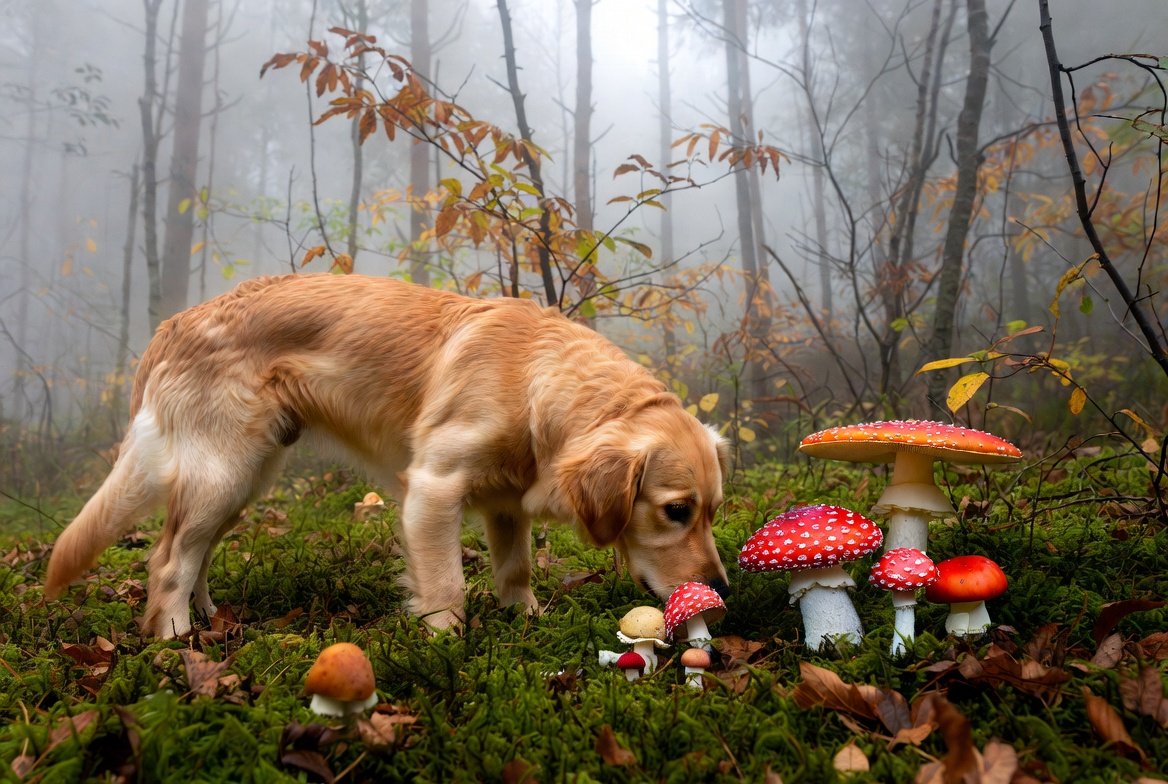
Dogs are very curious creatures that rely on their sense of touch and smell when exploring different surroundings. During outdoor walking sessions and spending time outdoors, many dogs will explore various objects that they come across on the ground. Unfortunately, while exploring and tasting plants and grass, dogs can be exposed to various dangerous substances, including poisonous mushrooms, causing mushroom poisoning in dogs.
Mushroom poisoning in dogs can lead to severe conditions and can be very dangerous for a dog’s health. It can affect their liver, kidneys, nerves, and gastrointestinal system. What makes this medical condition even more difficult is the fact that poisonous mushrooms can be very similar in appearance to safe types. Acting quickly can be extremely important for preventing further harm.
Why Are Wild Mushrooms So Harmful?
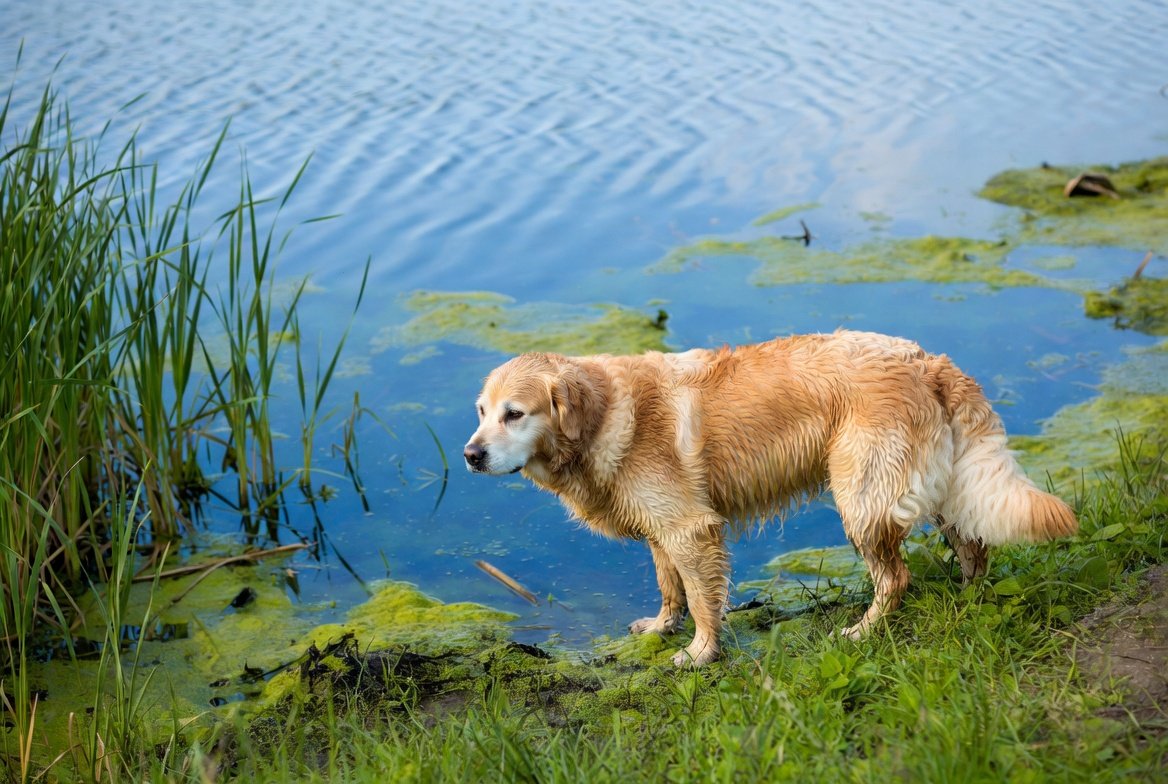
Mushrooms grow in different places, i.e., backyards, forests, lawns, gardens, public parks, etc. A favorable environment for mushroom growth includes a moist climate, which can be provided during a rainy season. It is also worth remembering that dogs are inclined to taste various foreign objects, so they can eat mushrooms within a few seconds without any precautions taken by their owners. This increases the chances of mushroom poisoning in dogs.
Mushroom Poisoning in Dogs
The type of mushroom eaten can determine the severity of consequences. Certain species of mushrooms can contain harmful elements that can influence vital organs. Eating even tiny amounts of certain mushroom species can result in mushroom poisoning in dogs.
Why Identifying Mushrooms Can Be Quite Hard
There are many different species of mushrooms, and only experts are able to recognize which mushroom type poses a threat. Trying to find out whether a mushroom is poisonous yourself may result in a delayed reaction and treatment, which is extremely undesirable in this situation. It is better to think about a pet’s health and consult a professional. During the stay of a dog in a facility that offers pet boarding, there can be many mushrooms growing in the surrounding territories, leading to mushroom poisoning in dogs. So, it is important to take it into account while choosing one for your dog.
Symptoms of Mushroom Poisoning
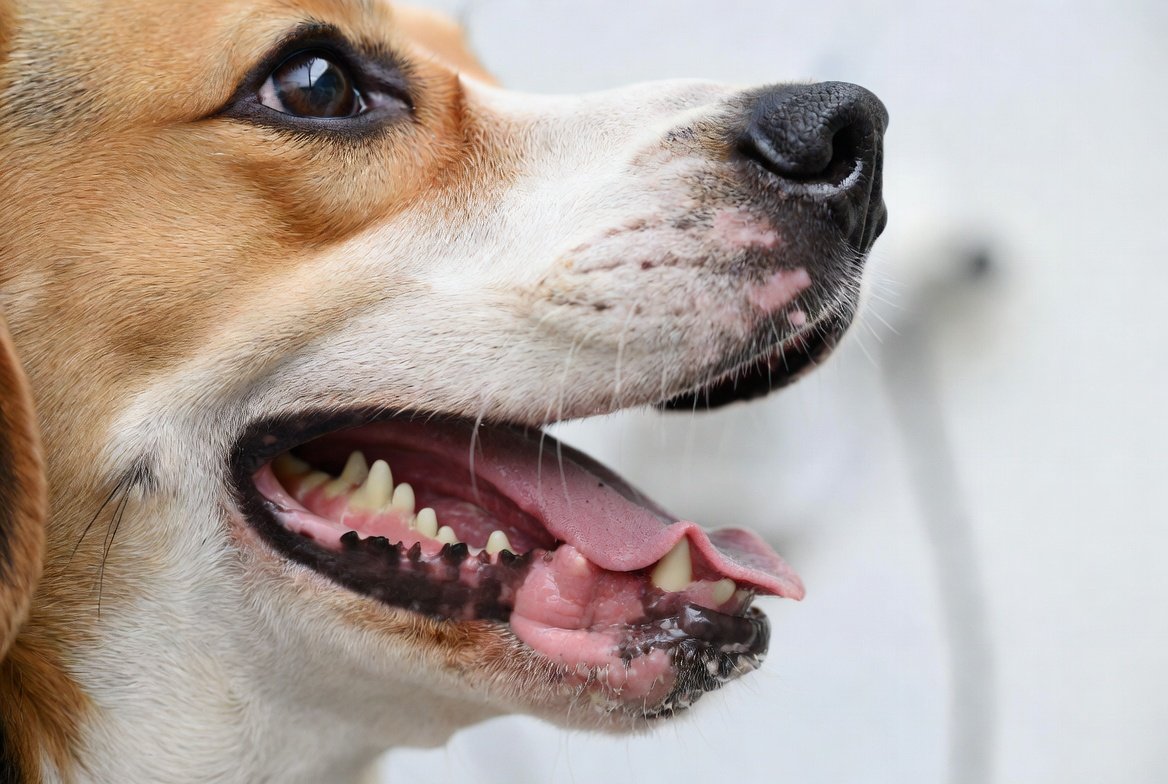
Dogs may start displaying symptoms soon after eating a mushroom or several hours later. Depending on the type of mushroom, symptoms can vary significantly. Digestive disturbances are usually the first signs of mushroom poisoning in dogs. Diarrhea, vomiting, excessive salivation, and stomach pains are also among the first symptoms. Sometimes, animals can feel exhausted and restless.
Severe Reactions Which May Occur after Eating Mushrooms
Poisonous mushrooms affecting the nervous system may lead to symptoms such as convulsions, spasms, tremors, seizures, or difficulty walking. In some cases, dogs may even collapse or stop responding at all. Some mushrooms are capable of causing harm to the liver and kidneys as well. However, this process usually starts a few hours after ingesting the mushroom, and the symptoms can be different.
Animals can become weak and tired, in addition, they may have pale gums or conjunctiva, excessive thirst, or reduced urine output as a result of mushroom poisoning in dogs. It is crucial to seek professional help immediately after detecting any suspicious symptoms. Advanced procedures such as pet surgery can sometimes be required in severe cases of mushroom poisoning in dogs.
What to Do After a Dog Ingests a Mushroom
Staying calm is essential when a dog has been poisoned. Any delays can be extremely risky and can affect treatment. If you witness your pet eating mushrooms, make sure to try to remove the mushrooms from its mouth to avoid eating additional amounts of harmful substances. If mushrooms are growing in a place your dog spends time in, you should avoid going there. It helps reduce the risk of mushroom poisoning in dogs.
Getting Ready for the Visit to a Vet
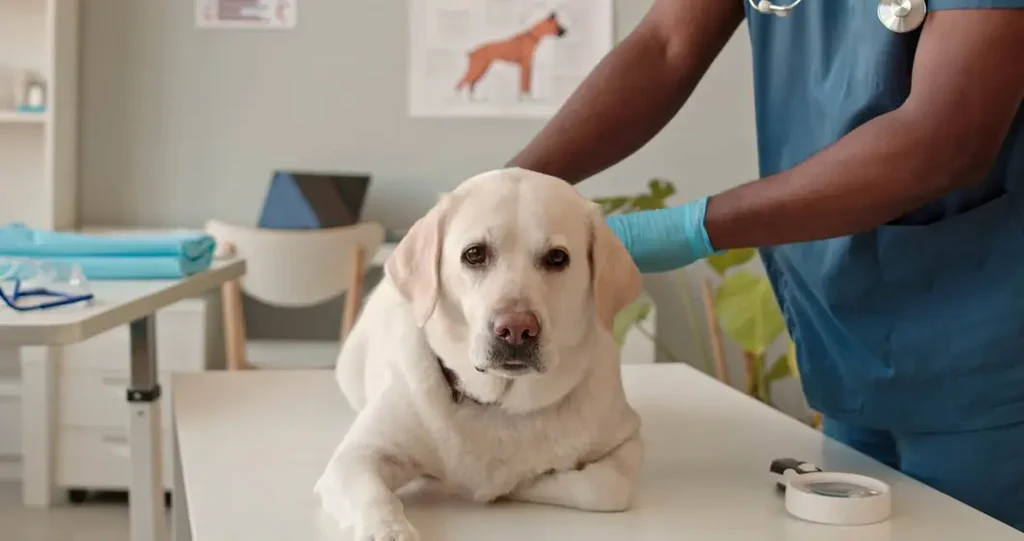
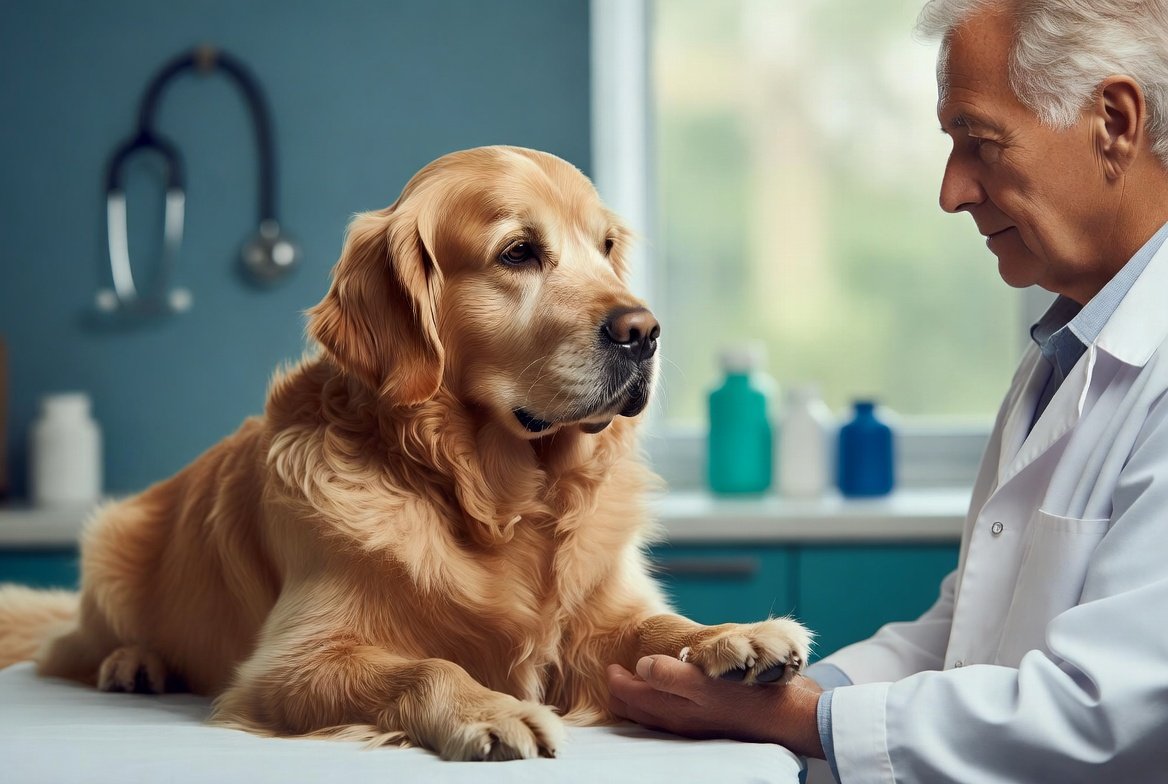
When you suspect that a dog has been poisoned with mushrooms, you should prepare the necessary information. Taking pictures of a mushroom is always helpful, as veterinarians might want to see what kind of poison they are dealing with. You will also need to mention the time when poisoning occurred and how much of the mushroom a dog had eaten.
Why Prompt Medical Assistance Is Important
Most toxins affect dogs very quickly and can influence their health. As a result, waiting for symptoms to develop can worsen the condition. In some cases, veterinarians can induce vomiting to reduce the amount of poison in a dog’s stomach. In certain cases, activated carbon can be given to minimize the absorption of harmful substances.
Treatments Used in Cases of Poisoning
Various types of mushrooms can require different kinds of treatment. A dog may require injections, intravenous fluid administration, anticonvulsants, liver-protecting therapy, or observation at the clinic. Depending on how severe the mushroom poisoning in dogs is, dogs might require staying at a veterinarian’s clinic for several days.
Locations where dogs can ingest mushrooms
Mushrooms can appear anywhere moisture and nutrients exist. Mushrooms are likely to grow in such places as forested areas, hiking trails, backyards, or dog parks. Lawns can become a hospitable environment for mushrooms after a rain or when moisture becomes high. Pet owners should inspect their yards regularly to spot any mushrooms and reduce the chances of occurrence of mushroom poisoning in dogs.
Seasonal Risk Factors that Must Be Considered
Mushrooms are more active in autumn and spring when the climate becomes warmer. Mushrooms can pop up unexpectedly after rain. Inspecting the yard frequently is recommended when trying to prevent mushroom poisoning in dogs. During the process of pet grooming, you can detect traces of mushrooms in your pet’s mouth and paws.
How To Prevent Accidental Ingestion of Poisonous Mushrooms
The best way to avoid mushroom poisoning in dogs is early prevention. It is crucial to remove mushrooms from yards and keep them away from your pets. You will also need to wear special gloves when removing mushrooms since some species may be toxic even to humans. Disposing of mushrooms properly is important.
Long-Term Consequences of Mushroom Poisoning in Dogs
Depending on how fast a dog was treated, recovery may be either quick and easy or complicated. Poisoning can cause organ damage, and some health problems can become chronic in some cases. Liver failure and kidney dysfunction are among the most common problems after mushroom poisoning in dogs.
Significance of Follow-Up Treatment
Dogs can require regular visits to a veterinarian after being poisoned to make sure that their organs work properly. Laboratory tests may become necessary after mushroom poisoning in dogs. In addition, veterinarians may prescribe some medications and change the diet to promote healing.
Importance of Educating Your Family about Mushrooms
Everyone in your family should know what kinds of dangers mushrooms pose to dogs. Children are often unaware that playing near the mushrooms can be dangerous. So, it will be good to educate everyone who takes care of a dog about the importance of preventing mushroom poisoning in dogs.
Moreover, knowing the symptoms of mushroom poisoning and knowing what to do in case of an accident will help owners act promptly and increase the chances of a positive outcome.
Conclusion
A dog’s health requires taking certain measures in case of mushroom poisoning in dogs. Since poisonous and safe mushrooms can be very similar, all instances of ingestion must be treated seriously. Warning signs of mushroom poisoning in dogs should be monitored closely. Professional assistance can increase the chances of a positive recovery after mushroom poisoning in dogs. You can read more dog care blogs on the blogging page of Park Hills Animals Hospital.