Dogs explore the world with their nose and mouths. That is why everyday household objects can be a danger. Many pet owners are aware of chocolate but few are aware of kidney toxins for dogs. This will cover where to find them, what signs to look for and what steps you can take to become a smart pet owner. It will assist the U.S. pet owners to take quick action when their dog inhales a hazardous food, pill, chemical or plant.
Why Kidney Safety Matters in Daily Dog Care
Every day, their kidneys filter out toxins, maintain hydration and allow your dog to act normally. When kidney toxins for dogs are present, their kidneys can quickly lose their function. Acute kidney injury may begin following the use of foods, medications, chemicals or supplements. Prompt action is important because timely veterinary care can prevent damage to kidney tissue, enable direct testing and reduce the risk of long term damage.
How Kidney Toxins Affect Dogs
Kidney toxins in dogs can damage kidney cells, decrease blood flow to the kidneys or cause crystal formation. A dog may vomit, be weak, drink more, urinate less or refuse to eat. These symptoms appear to be mild at first. Do not wait till someone is really sick. Consult a veterinarian or poison control center in case of exposure.
Grapes, Raisins and Related Fruit Dangers
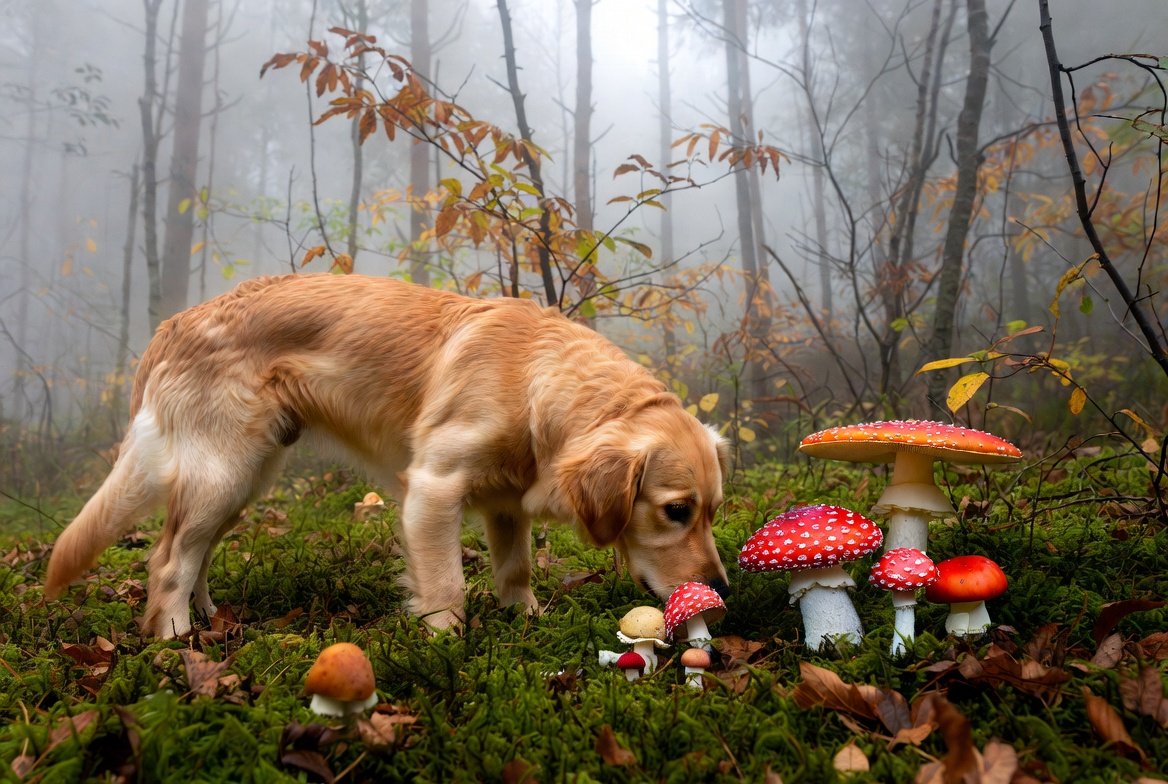
Dogs are at risk of developing acute kidney injury from grapes, raisins, currants and sultanas. A safe dose can not be determined without expert advice. Any intake requires urgent advice as dogs will respond differently. These kidney toxins for dogs require quick treatment.
Kidney toxins for dogs are found in trail mix, cereal, cookies, bread, snack bars and holiday foods. Cover and clear plates quickly. Do not allow children to share snacks. A proper pet nutrition plan is helpful as dogs can eat safe meals and are less likely to grab unsafe foods.
Human Pain Pills and Common Medicine Risks
Lots of dog poison calls are a result of human pain pills. Some NSAIDs such as Ibuprofen or naproxen can be detrimental to the stomach and kidneys. These dog kidney toxins require veterinary advice. Do not administer human pain medication without your veterinarian’s instructions as to dose and product.
What Owners Should do First
Store medicines in locked cabinets not on bedside tables or in bags. Dogs can swallow many tablets at once and chew through bottles. Kidney toxins in dogs also include certain antibiotics and other drugs that are administered to a dog at the wrong dosage. Ensure that pet boarding teams clearly label medicine and provide written dose notes.
Antifreeze Garage Fluids and Yard Chemicals
Antifreeze may be sweet and palatable to animals. It can lead to serious damage to their kidneys. Ethylene glycol produces toxic substances that crystallize as calcium oxalate in the kidney tubules. Early treatment is necessary for dogs because delays can make a treatable condition a life threatening risk.
Garage Habits that Protect Dogs
Keep antifreeze, brake fluid, windshield fluid and garden chemicals out of sight and in locked areas. Promptly clean up spills. Keep dogs from licking around puddles caused by vehicles. Kidney toxins for dogs can get into the house on shoes, tools and open containers. After yard play, pet grooming help to minimize dirt and chemical residue on paws.
Vitamin D Rodent Baits and Supplement Risks
Vitamin D is beneficial for dogs in small quantities but can be detrimental to the kidneys if given in large amounts. Human supplements, some pet foods containing excessive amounts of vitamin D and cholecalciferol rodent baits can lead to serious illness.
Safer Storage for Supplements
Store vitamins, skin creams and baits well above their nose level. Keep closets using closed bins. Tablets and chews are appealing to dogs because they smell good which is why dogs love them. If a dog requires pet surgery or long term medication, there may be several bottles of medication at home so they must be stored carefully.
Cleaning Products, Plants and Salty Foods
Cleaning products may irritate the mouth and stomach and some products may lead to more serious health problems. Plants, waste and potent chemicals in the home are also hazards. Do not allow them access to toilets, laundry rooms or trash cans.
Food Scraps and Dental Risks
Kidney toxins for dogs also include leftover food that contains grapes, too much salt or medicine residue. Do not allow dogs to go on plate raids after parties. Salty chips or hard bones are not safe treats for pet dental care. The kidneys and the mouth work together to protect their kidneys.
Warning Signs That Need Fast Veterinary Care
Signs of dog kidney poisoning typically begin with vomiting, drooling, lethargy, loss of appetite, diarrhea, excessive thirst or changes in urine. Sometimes a dog will appear fine shortly after being exposed and then refuse later. Consult with a veterinarian or poison control center as soon as possible.
What to Share With Your Vet
If it is safe, take vomit samples, labels and photos. Quick facts are needed when using kidney toxins for dogs. This will aid the team in selecting blood tests, urine tests, fluids, stomach care or poison control advice.
Simple Prevention Steps for Safer Dog Homes
The first step to prevention is routine. Go through your kitchen, bathroom, garage, purse, place and yard weekly. Locate hazardous items up or behind locks. Make family members aware that little and often can make a difference. Kidney toxins in dogs are prevented before they become a problem.
Build a Clear Emergency Plan
Have a list of their weight, medications and health history. With a proper home plan, kidney toxins for dogs are not so scary. Quick action and cool decisions can help your dog have the best chance after a toxic exposure.
Final Thoughts
The well known items can pose sudden risks to dogs kidneys. Care needs related to the use of grapes, medicines, antifreeze, supplements, baits, cleaners and salty scraps. Be aware of the signs of dog kidney poisoning and consult a veterinarian immediately following exposure. Every day simple steps help to keep your pet safe. You can trust Park Hills Animal Hospital for quality care and helpful information.