Dogs love to chew different toys, pick up objects, and interact with other animals through their mouth. Due to their constant exposure to the external environment, dogs can easily develop various diseases affecting the mouth and gums. Oral papilloma virus in dogs is one of those oral diseases that affects a dog’s mouth functioning drastically and is common in them. This disease is a serious health condition in dogs but it can be managed easily. This is possible due to timely action and appropriate treatment through awareness of a dog’s healthcare.
A Glance at Oral Papilloma Virus in Dogs
Oral papillomavirus in dogs develops under the effect of canine papillomavirus, which results in the formation of wart-like growths around the lips and inside the mouth. Puppies and adolescent dogs are the most susceptible to the virus because their immune system is still in development stage.
Healthy adult dogs can also be affected as well because of their weakened immunity. In most cases, the oral papilloma virus in dogs resolves without any additional efforts, but the symptoms shouldn’t be ignored in order to prevent pain and complications.
First Symptoms Help in Seeking Timely Vet Care
Identifying early signs of oral papilloma virus in dogs is crucial for avoiding future discomfort or difficulties with food intake. Being aware of the first symptoms will also help owners take the required measures and prevent possible secondary infections. Proper pet nutrition should also be taken into account because it helps to keep your dog healthy and resistant to viruses.
Oral Papilloma Virus in Dogs Explained
Oral papilloma virus in dogs is a contagious viral infection of the mouth tissues in canines. The virus is spread by direct contact with affected dogs or through contaminated dishes, toys, etc. The condition is common in places where dogs live closely with each other. Pet boarding facilities can also increase the risk of developing growths if dogs share their space with affected ones. Although noncancerous, oral papillomas in dogs may become irritated and cause pain.
Why Young Dogs Are More Vulnerable
Young dogs are more prone to the development of papillomas in comparison with adult and healthy ones because their immune system is still not fully developed. Adult dogs usually develop natural resistance after coming into contact with the virus several times. Stress, poor nutrition, and existing diseases can also negatively impact a dog’s immunity.
Small Wart-Like Growths Around the Mouth
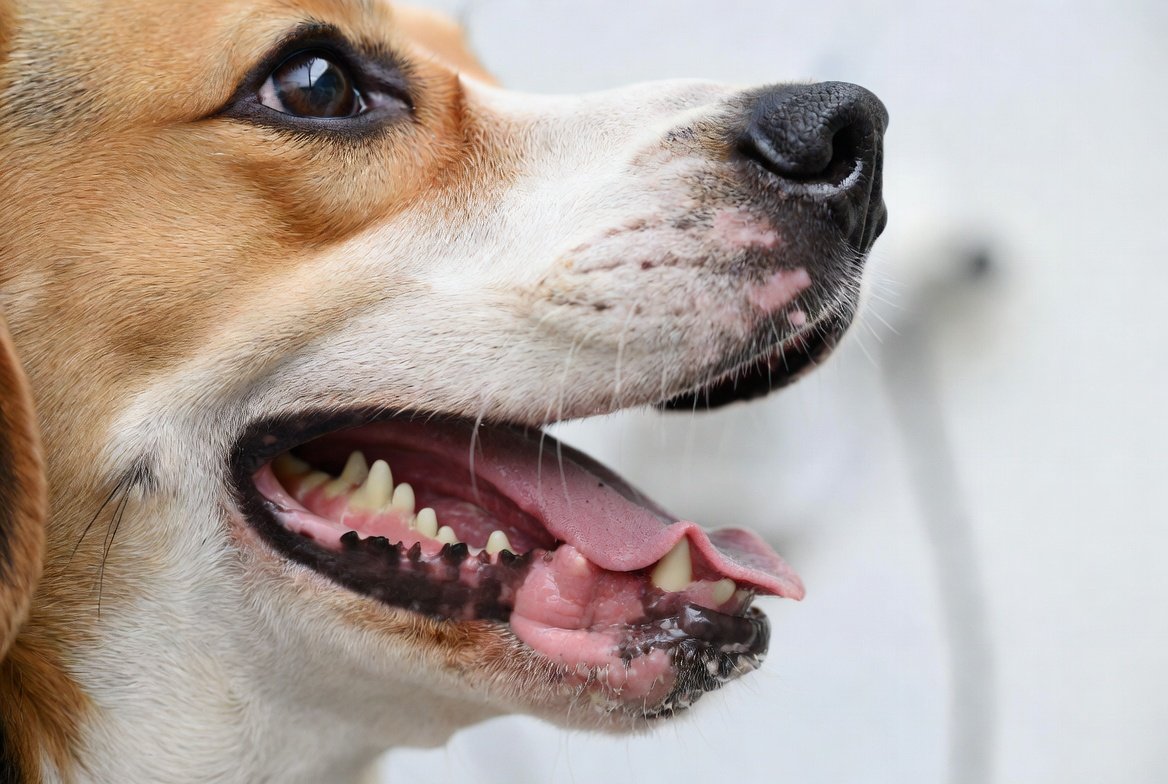
One of the early warning signs of papillomas is wart-like growths around the lips, gums, and tongue of affected dogs. These papillomas are usually small and can be compared to little cauliflowers due to their uneven and coarse surface. At the very beginning, they can be pale pink or white and barely noticeable because they blend with the dog’s gums.
How the Growth Changes Over Time
Over time, growths become bigger and increase in quantity. They usually grow in one or several areas depending on the individual reaction. Sometimes papillomas can even develop inside the throat and interfere with eating. Appearance can also change because of growing coarseness as a result of repeated biting or chewing. Proper pet dental care should be provided to prevent the growth of the oral papillomavirus in dogs.
Difficulty Eating and Chewing
Another important warning sign is a change in eating habits, which may become evident in oral papillomavirus in dogs. Eating becomes difficult and causes discomfort because of irritation and swelling. For example, dogs may slow down their food intake, start dropping food, or refuse dry food because chewing is too irritating for them.
Signs of Oral Discomfort During Meals
Dogs experiencing oral discomfort often show specific behavior. They may whine or shake their heads while eating because of increased irritation due to oral papilloma virus in dogs. Frequent licking or drooling is a clear sign of oral discomfort and mustn’t be ignored.
Persistent Bad Breath
Bad breath is a common symptom associated with oral papilloma virus in dogs. Due to the presence of papillomas inside the mouth, bacteria tend to accumulate there and form a foul smell. The odor produced as a result is worse compared to a regular dog smell. Moreover, in case of inflammation of papillomas and infection, the smell gets even stronger.
When Bad Breath Signals a Larger Problem
In addition to a bad smell, inflammation or infection of papillomas is usually accompanied by some specific symptoms. Therefore, if you notice both bad smell and mouth growths, it means that your dog requires veterinary examination. Checking your pet’s mouth during routine care can help you detect the problem on time and prevent complications.
Excessive Drooling Due to Irritation
Papillomas inside the mouth irritate oral tissues. It causes a dog to produce more saliva than usual. Saliva production becomes constant, which results in drooling and wetness around the lips. The dog’s saliva may become thick and sticky. Animals try to alleviate irritation by rubbing their head against anything available or licking.
Warning Signs Related to Behavior
Behavioral issues may also indicate the presence of oral papilloma virus in dogs because oral discomfort interferes with dogs’ daily activity. Usually, affected dogs stop being playful and become inactive. In some cases, papillomas become the source of pain if they are constantly rubbed or scratched. For this reason, pets show aggression if anyone tries to touch their mouth.
Mild Bleeding Caused by Papillomas
Papillomas are delicate growths that can be easily injured. If your dog starts chewing or scratching papillomas, they can become irritated and bleed slightly. In this case, traces of blood can be found on toys, food bowls, and even on the dog’s bed.
When You Need Veterinary Attention
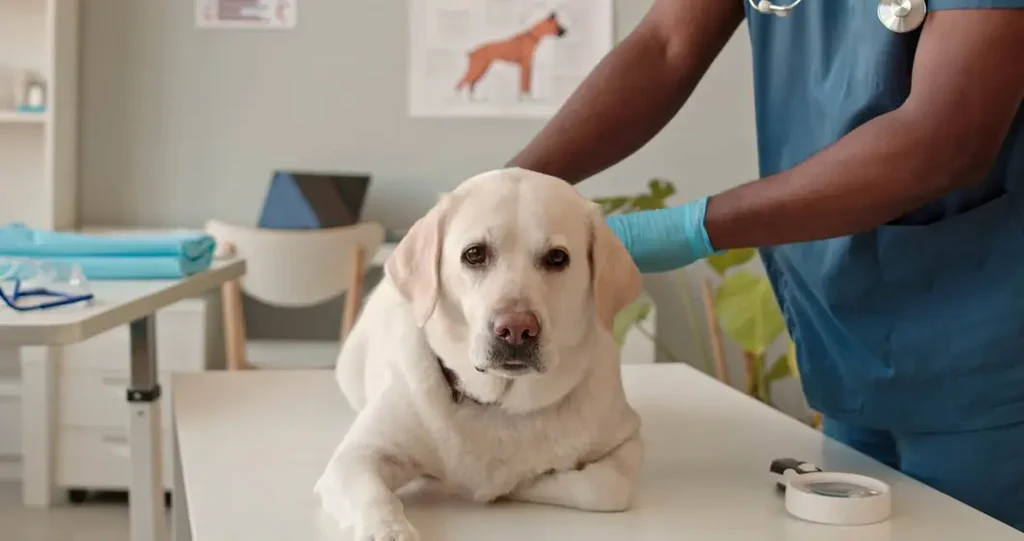
Despite being a normal symptom, mild bleeding should still raise owners’ concerns because papillomas can become seriously affected by bacteria and infection. If your dog shows signs of swelling, pain, or difficulty in eating, the condition needs immediate veterinary assistance.
Why Prompt Treatment Is Required
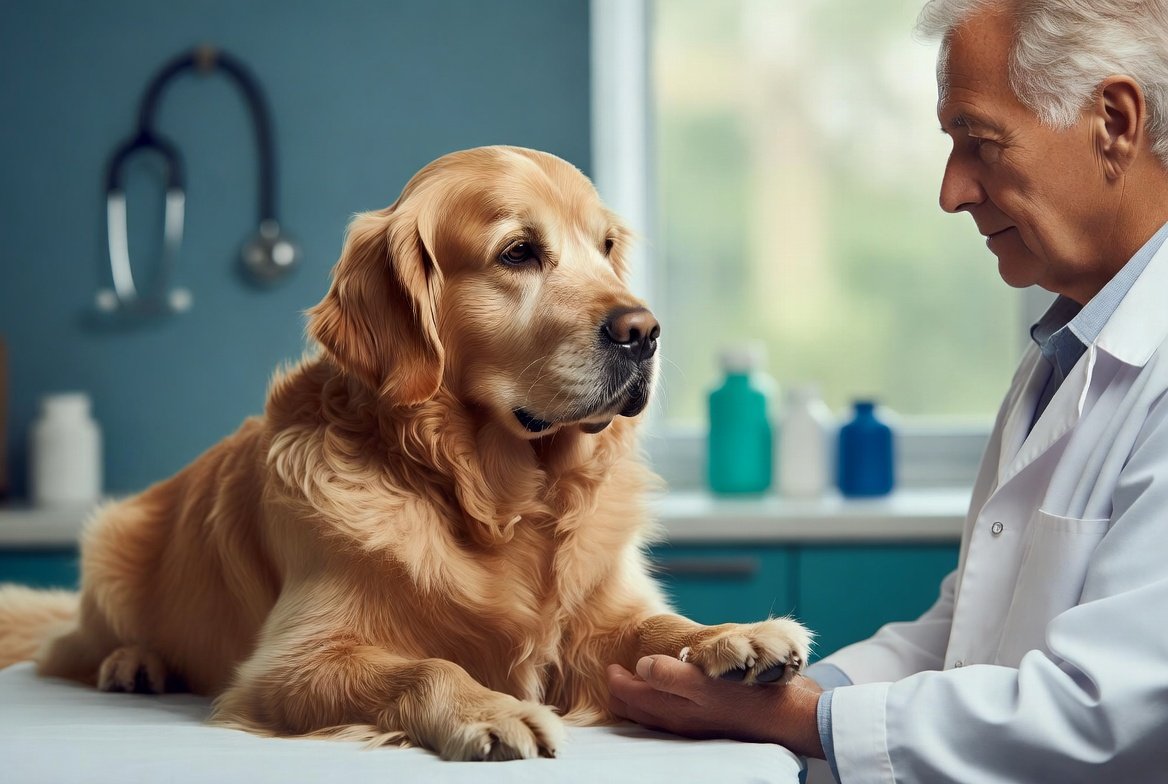
If not attended promptly, growths become the target for bacteria, which infect the affected area, resulting in pain and difficulty in eating and drinking. The sooner you visit your vet, the better outcome you’ll achieve. Monitoring and providing proper oral hygiene are the main measures recommended by veterinarians. However, severe growths and serious oral papilloma virus in dogs require more serious intervention.
Preventive Measures against Oral Papilloma Virus
Preventing infection from occurring is the easiest way to protect your pet from oral papilloma virus in dogs. It’s important not to share food bowls, toys, and grooming equipment with dogs that you don’t know.
If your pet is infected with the oral papilloma virus in dogs, limit contact with other dogs until it recovers. Proper diet, exercise, and care help to improve dogs’ immunity, thus preventing severe infections in the future.
Routine Oral Examination of Your Dog’s Mouth
Performing oral checks regularly helps to identify changes on time and receive veterinary examination as soon as possible. Even the slightest change in the oral cavity requires professional help and can help prevent unnecessary pain and discomfort.
Conclusion
Oral papilloma virus in dogs is a condition that requires your immediate attention regardless of the severity of symptoms at the initial period. Tiny warts appearing inside the mouth or around the lips, difficulty eating, foul smell, excessive drooling, and mild bleeding are just a few signs of the virus. Being attentive and paying attention to the changes in the mouth of your dog will help prevent future problems. Further, you can consult professionals at Park Hills Animal Hospital.