
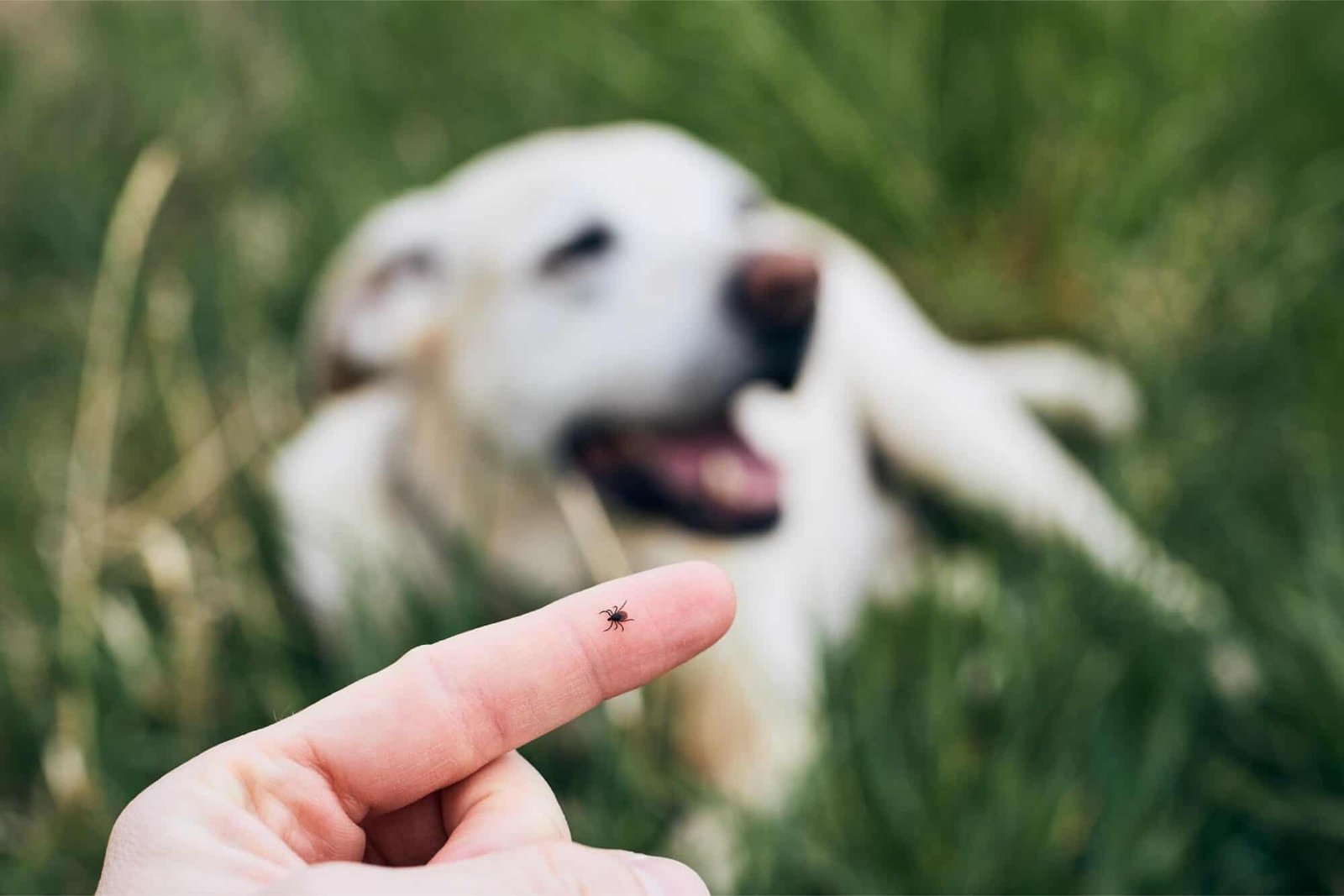
A little bite can result in a big health concern for a pet. Although many pet owners consider ticks a skin disease, tick borne diseases affect their entire body. Damage from ticks and kidney disease may not be apparent until symptoms become more severe. This blog will provide information on the long term risks, warning signs, prevention, testing and steps to care for dogs and cats in the United States.
How Tick Bites Affect Long Term Pet Health
Germs are transmitted to pets by ticks as they feed on their blood. These germs can lead to fever, painful joints, lethargy, appetite loss and stress on the organs. The most common association between ticks and kidney disease is Lyme disease in dogs. According to the AVMA, 1 to 5% of infected dogs can develop a severe kidney disease known as Lyme nephritis.
Why Kidney Damage Needs Early Attention
Kidneys remove waste and regulate the water balance in the body. If the disease affects them, they can have waste material accumulate in their blood. Ticks and kidney disease require prompt treatment as symptoms initially may be subtle. A pet may become more thirsty, lose weight, vomit or become lethargic. Pet owners should take their pet to a veterinarian if these signs appear.
Lyme Disease and Kidney Risk in Dogs
Borrelia burgdorferi is the cause of Lyme disease. Loxodes ticks transmit this germ in the United States. Merck says that dogs may exhibit fever, inappetence, lameness and shifting. It also says that if left untreated, Lyme disease may damage the kidneys, heart and nervous system of pets.
What Lyme Nephritis Means
Lyme nephritis is a swelling and damage to the kidneys. Cornell says that this less common problem results in serious symptoms. It includes vomiting, decreased appetite, increased thirst, increased urination, weight loss and extreme tiredness. When combined with these signs, ticks and kidney disease are serious.
Other Tick Diseases That Stress Kidneys
While Lyme disease is a well known tick borne illness, there are other tick borne diseases that are important. Ehrlichia, Anaplasma, Rocky Mountain spotted fever and Babesia affect the blood, joints, organs and energy. Dogs develop many symptoms associated with tick borne germs. Merck says that a symptom alone does not necessarily reveal the cause.
Why Testing Gives Clearer Answers
Your veterinarian might employ blood tests, urine tests and tick disease screens. Both tick checks and kidney checks are required for ticks and kidney disease. An early indication may be the presence of protein in the urine. Kidney stress may be indicated in the blood. These tests will assist the veterinarian in determining the appropriate medication, fluid, dietary or follow up treatment.
Signs Owners Should Never Ignore
Often, kidney issues develop quietly. The pet may continue eating and playing in the initial stages. Owners need to be aware of subtle changes that may follow tick bites. Signs of ticks and kidney disease can be low energy, fever, joint pain, vomiting, increased thirst, increased urination, weight loss, swelling and poor coat quality.
When a Vet Visit Becomes Urgent
If a pet refuses food, vomits frequently, appears weak or starts drinking a lot of water, consult a licensed vet immediately. Also consult if the tick bite occurs in a high risk area. During recovery, pet nutrition is important as the proper diet help to build body strength. Don’t alter food plans without veterinary advice.
Long Term Health Effects After Infection
With prompt care, some pets can recover quickly. A long follow-up is required for other pets. Ticks and kidney disease may cause chronic kidney stress, proteinuria, hypertension and decreased energy. IDEXX publishes research that shows positive Lyme or Ehrlichia test results and they are associated with increased risk for chronic kidney disease in dogs and cats.
How Follow Up Care Helps
Monitor progress with follow up tests. VET may examine urinary protein levels, renal values, blood pressure and weight. Pet dental care is also important as mouth disease can contribute to body stress. Regular veterinary checkups help to maintain a healthy immune system. This also help to detect any changes before the pet becomes seriously ill.
Prevention Starts With Tick Control
Pets are well protected against ticks with tick control. CAPC advises tick control for pets year round. CAPC also says that tick vaccines are not a substitute for proper tick control. This is important since ticks may carry more than one germ. Prevention of ticks and kidney disease begins prior to tick exposure.
Simple Home Habits Reduce Exposure
Walk, hike, play in the yard, travel with pets and check pets afterward. Check around the ears, neck, toes, belly and tail. Maintain short grass and eliminate leaf piles. Pet grooming help to detect lumps, skin sores and ticks. Only use tick products that are vet approved as some products are harmful.
Lifestyle Care for Pets With Kidney Issues
If your pet has kidney disease it requires consistent home care. Daily comfort is provided through fresh water, safe food, medication schedules and quiet rest. Careful travel planning also needs to account for ticks and kidney disease. A kidney patient may feel worse due to stress not taking the medication or not eating.
Boarding and Medical Planning
Select pet boarding teams that adhere to written health notes. Provide information about medication schedules, food quantities, water requirements and emergency contacts. Inform staff of the presence of kidney disease and tick history. When a pet requires pet surgery consult the veterinarian.
Vet Visits Help Protect Quality of Life
Regular testing help to detect any underlying problems. A veterinarian may correlate ticks with the disease pattern in the area, as well as with lifestyle, age and breed. A personal plan is needed for ticks and kidney disease as pets have different risks. Dogs that are outdoors, hunting dogs and pets in wooded areas may require more intensive tick checks.
Questions to Ask Your Vet
Inquire about the most effective tick control product, the need for vaccinations, urine testing and blood testing. Inquire about follow up for your pet. Spay and neuter visits are also an opportunity for owners to discuss preventive care. Having a plan in place can help the entire family respond quickly in the event of a tick bite.
Final Thoughts
Ticks and Kidney Disease may affect their comfort, energy and long term health. Lowers risk with early testing, consistent tick control, smart home checks and regular veterinary visits. Look for signs of thirst, vomiting, weight loss, fatigue and changes in urine. Rapid treatment improves the pet’s recovery and ability to remain active. Trust and caring support is a call to Park Hills Animal Hospital.