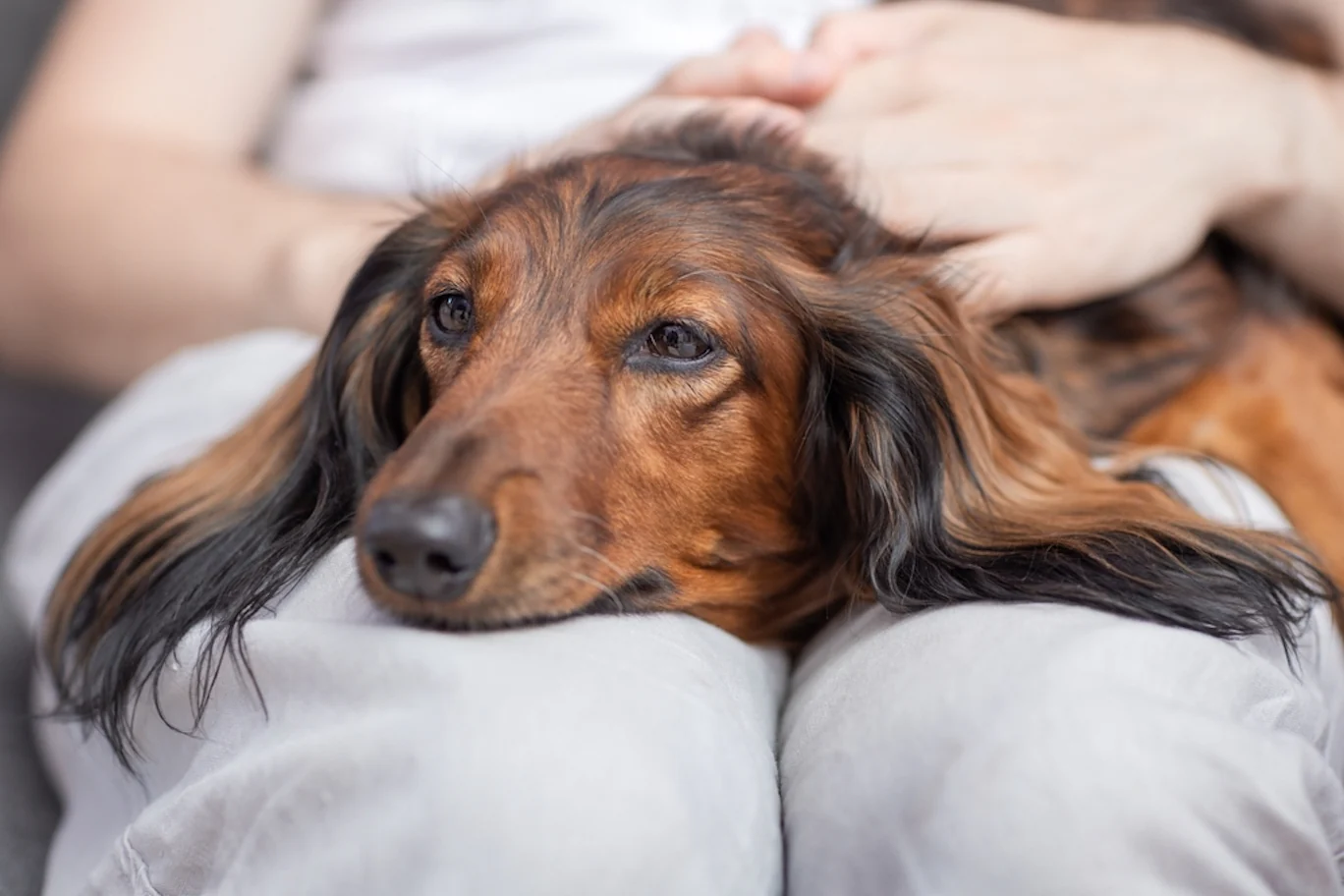
Neutering is a common surgical practice where the reproductive organs of a male dog are removed to limit the number of desired litters as well as to give the dog long-term health. It can be used to mitigate some behavioral problems, decrease the chances of developing dangerous illnesses and make your pet live a more relaxed and balanced life. The recovery from neutering in dogs is as crucial as the surgery itself since the process of recovery contributes significantly to the comfort and safety of your dog.
In this guide, you will know what to expect once you have been operated on, how to take care of your day to day dog and how to know when something goes wrong. Through proper care and attention, one can be able to make a dog heal well and resume normal activities with confidence.
Dog Neuter Recovery: What You Need to Know
Neuter surgery is also a common operation that is performed on male dogs to remove their testicles in order to render them sterile and avoid some behavioral problems. Actually knowing the procedure and what to expect in recovery after neutering a dog may enable the pet owner to make sure the dog receives proper care and has a more comfortable recovery time.
Typical Dog Neuter Recovery Time
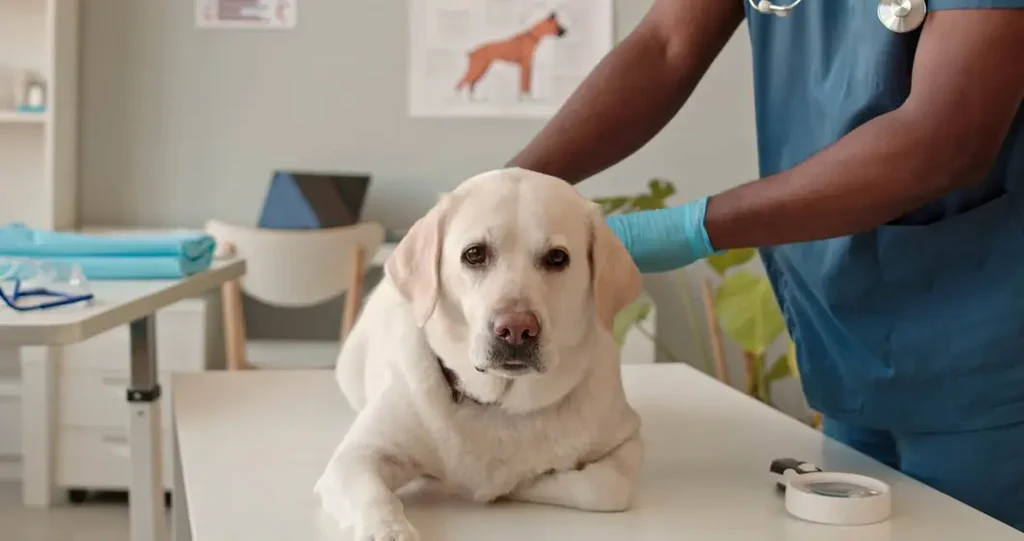
The mean dog neuter recovery time is approximately 10 to 14 days though recovery may take a shorter or longer duration depending on age, breed, size, and overall health. Young dogs tend to recover rather quickly, whereas more aged dogs may need some time to recover. How well the recovery process is, is determined by following the right home care and our team at the Park Hills Animal Hospital helps every pet owner with the process.
When your dog is recovering, the behavior of the dog, as well as the appearance of the incision site, is important to watch. The first day or two may be characterized by mild swelling, light reddening and temporary fatigue. Nonetheless, when you observe such abnormal changes as a strong smell, excessive swelling, constant licking, and anorexia, this can be an indicator of a problem. Park Hills Animal Hospital can be contacted in such a case to make sure that your dog heals safely and comfortably.
Preparing for Your Dog’s Neuter Surgery
The process of recovery from your dog begins even prior to the surgery. Proper preparation can be used to make the dog neuter recovery process a stress-free process. The most important things that any owner can do are as follows:
- To make sure that your dog remains safe during anesthesia, follow the directions of your vet concerning fasting.
- A pre-surgery visit to talk about drugs, medical problems, and risks.
- Prepare a peaceful and quiet environment in the house where your dog can rest after that.
- Prepare a soft bed to cushion the body of your dog and alleviate post-surgery pains.
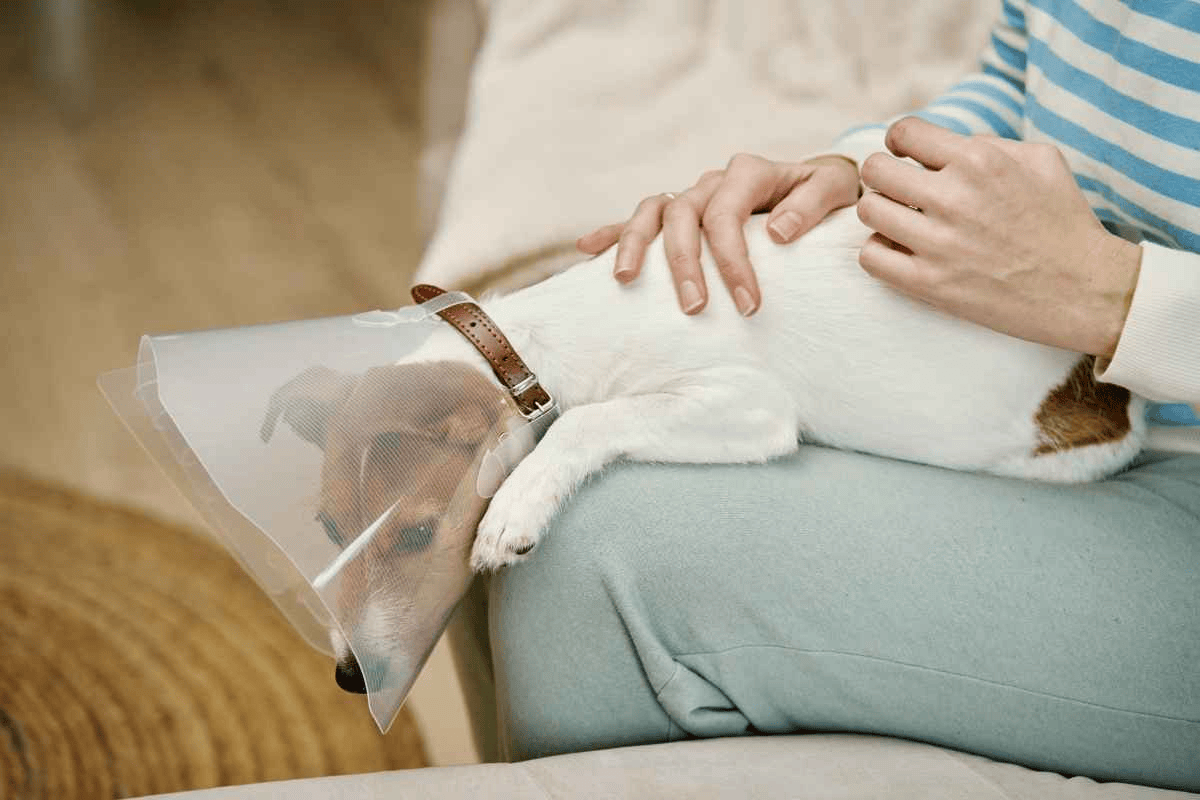
- Hold an e-collar in case the incision site is licked or chewed.
- Clean towels or gauze should only be provided at the request of your vet.
- During the first few days provide containment with the help of a crate or a small playpen.
Facilitating neutering surgery is a task that is worthwhile in making the process of neutering a dog smooth. By acting as your vet advises, by providing a safe sleeping environment, and by stocking up all the things you and your dog will need to get him in a comfortable and relaxed mood when he returns home after the procedure.
Day by Day Recovery Guide
Knowing the recovery day of your dog is one sure way of healing accordingly and helping to avoid complications. This guide includes the first and second week’s expectations of neutering and the care of your dog. These steps facilitate a painless dog neuter recovery.
Day 6–10: Incision Healing & Activity Adjustment
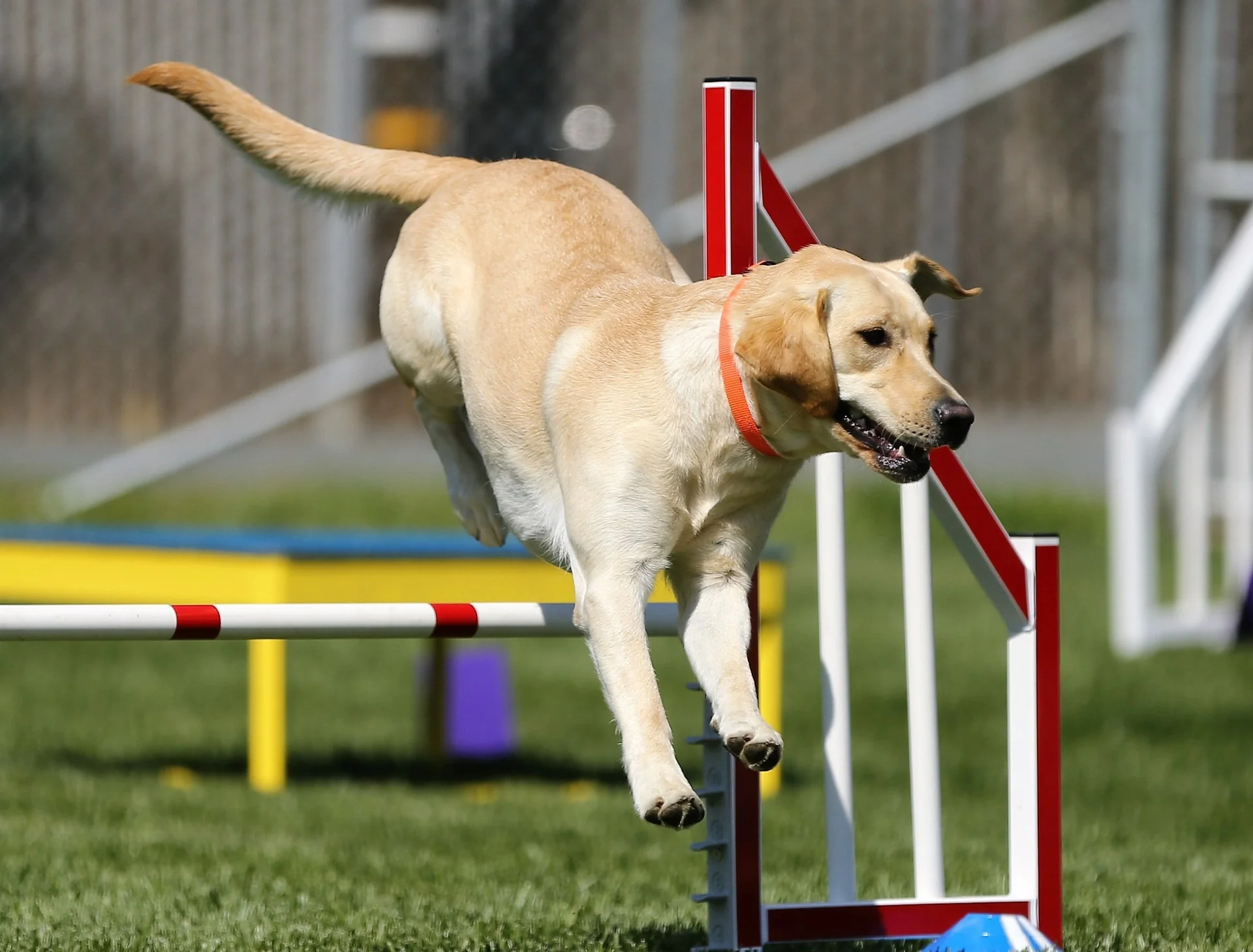
At this point, the wound must be recovered properly. You can ease into a phase of play gently and avoid jumping and roughness at the same time. Check the incision every day to see whether there is any irritation, infection, or abnormal occurrence.
Day 10–14: Returning to Normal Routine
Within two weeks, most dogs are able to revert to their normal life. Your vet might be okay with the removal of the e-collar. Gradually increase walking as well as normal activities and observe the incision. This timetable will guarantee that the dog will recover safely and smoothly.
Nutrition and Hydration Tips During Recovery
A dog’s neuter recovery should be accompanied by proper nutrition and hydration. Feed on readily digested and high-quality food that assists the body in recovering e.g. soft kibble or vet diets recommended by the vet. Always keep fresh water accessible to your dog and you need to observe their appetite keenly. Do not give them candy or food that can disturb the stomach and/or hamper the healing process.
To learn more about feeding and caring for pets after surgery, visit our spay and neuter resources at Park Hills Animal Hospital.
Managing Behavioral Changes During Dog Neuter Recovery
Some dogs might exhibit an androgynous transitory mood or energy following neutering. They may be shy, less bubbly, or even a little covetous. This is normal and it normally goes away as your dog recuperates after surgery.
To ensure that your dog adapts to the new environment, follow a regular routine and reward it with positive stimuli. Reward quietness and soft play to enhance comfort and confidence. Do not be harsh on the injured or overexert on the wounded. Your vet can offer advice on your dog’s behavior or recovery, particularly in the process of organizing the care following pet surgery. Monitoring and taking good care of your dog during this phase will give it a stress-free recovery.
When to Call the Vet
When the dog is recovering after the neuter surgery, one should be watchful for any infection or complication. Note any redness, discharge, excessive swelling, or foul odor of the incision. These symptoms may show that your dog needs help from a vet right away.
Repeated drowsiness, anorexia, vomiting, or abnormal behavior are also warning signs. When you observe any of them then reach your vet immediately and you will have a safe healing of your dog. On the follow-up visits, prepare inquiries on how to manage the pain, activity limitation, and incision care. In case you are going to leave your dog at a pet boarding center, clarify with the authorities specific instructions in terms of care so that there is no problem in the process of recovery.
Conclusion
A successful neutering recovery for a dog depends on proper care. Check your dog every day and each day, watch her symptoms, keep the atmosphere in the house calm, adhere to the rules of feeding and activity, and watch the visits to the veterinarian. Being patient and attentive will assist your dog in healing quickly and harmlessly. To seek individual advice, consult your vet at the Park Hills Animal Hospital and have the best care of your dog after the surgery.
FAQs
How long before my dog can play normally?
In the majority of cases, most dogs begin their normal activity approximately 10 to 14 days post-surgery. Light therapy is possible as soon as the incision has completely healed and is considered safe by your veterinarian. Always listen to your vet on what you should do during the period of recovery.
Will neutering affect my dog’s behavior?
Neutering has the potential of reducing some behaviors such as marking or roaming albeit temporarily, however, most of the behavioral changes are short-lived. The personality of your dog normally does not change much and the energy changes are normally adjusted to stabilize during the healing fun.
When can my dog start playing normally after neuter surgery?
Light play will normally reemerge after a period of approximately a week although rough play should be avoided until the incision is completely healed which is normally about 10-14 days.