Spaying is a significant and popular procedure that maintains the good health of cats as well as ensures unwanted litters are avoided. In this process, a vet removes the reproductive organs of the female cat and in the process, this eliminates some of the health risks and undesired behaviors. Though cat spaying surgery is not a major issue, every pet owner needs to know more about its recovery.
It is good to know what to anticipate after the surgery that will allow you to support your cat, keep her comfortable, and early detect any issues early. Good home care, close attention, and knowledge of the normal and abnormal are some of the factors that ensure a smooth recovery.
Here, you will get to know the entire recovery schedule, the most basic care theories, and the red flags that could require the attention of a vet. Such information will allow you to be confident in treating your cat, as well as guarantee her restoration to her normal happy self.
What Is Cat Spaying?
Cat spaying is a normal surgical operation that involves a veterinarian removing the reproductive organs of a female cat in order to make her infertile. This operation is performed under controlled anesthesia and most cats are sent home the same day. This will give you a better idea of the process involved and make you more equipped to manage cat recovery following spaying and make sure that your pet is getting the peaceful, serene care she deserves.
There are numerous significant advantages to spaying. It keeps your cat safe from severe health disorders such as uterine infections and some types of cancers. It also minimizes undesired behaviors like yowling, pacing and escaping during heat cycles. At a larger scale, spaying can be influential in the decrease of the number of stray cats on the street and the welfare of animals.
At Park Hills Animal Hospital, we suggest spaying as a no-sweat process for a longer healthier life for your pet. With the knowledge of the fundamentals of that process, you can contribute more to making your cat feel better and provide a successful cat recovery after spaying.
Typical Cat Spay Recovery Time
Learning about cat spay recovery time is a way to take good care of the pet. Although each of the cats is different, most of them have a similar healing pattern after surgery. Being aware of what is going to happen on a daily basis can assist both you and your cat to get through it.
First 24 Hours: It is also expected that your cat will be sleepy, quiet, and less active. This occurs normally following anesthesia. She might be eating less than normal and some slight wobbliness might occur. Rest her in a quiet place and restrict movement. This is a significant step in a cat’s recuperation after spaying.
First Week: The majority of cats begin to become alert within 1-2 days. Nevertheless, they also require limited types of activities like jumping, running, or climbing. The incision should remain dry as well as clean. Swelling is mild, and no redness, leakage, or intense odor should occur.
Full Recovery: Full recovery normally takes 10-14 days based on the age of your cat, breed as well as the overall health of your cat. Cats are healthier and younger cats recover faster as compared to older cats who might need a little time. At this stage, keep on examining the incision and avoid licking or scratching.
The cat spay recovery time can also be influenced by such factors as weight, the level of immune health, and the level of activity. Healing can take longer if your cat has already undergone pet surgery, has a chronic disease or because of a fragile immune system. This is because by knowing the normal cat recovery following spaying, you will be better able to support your cat and assist her in returning to her normal routine in a safe and comfortable manner.
Post-Surgery Care for Cats
When recovering after surgery, your cat requires special care to ensure that he/she heal safely, and it is worth a lot to follow some simple tips on cat spay recovery. Prepare a calm, relaxed environment with soft bedding and avoid jumping or running to avoid damaging the incision. Monitor a cat’s eating, drinking habits as well as litter box habits, since slight fluctuations are normal, however, inability to eat and use the litter box may also require some attention.
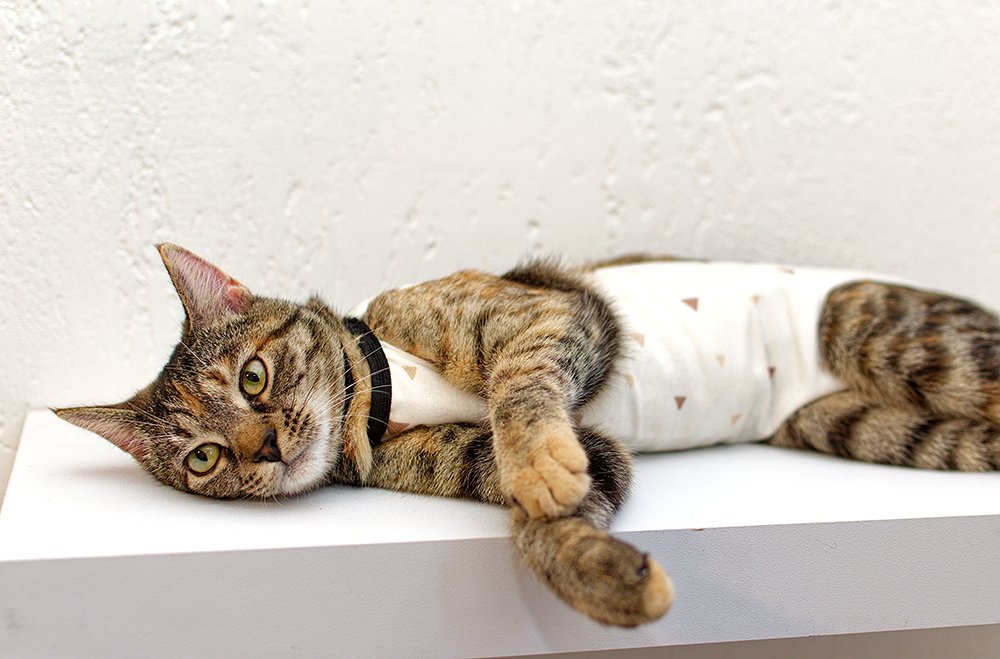
There is also the need to prevent the incision area from being licked or bitten by your cat with the help of an e-collar, inflatable collar or recovery suit being the most appropriate way to keep the area clean and safe. Constant monitoring and assistance during this post spay and neuter duration will help your cat to recuperate easily and comfortably.
Signs of Complications
The mild signs include slight tiredness, lack of appetite and slight swelling of the incision which is normal in the recovery of a cat after spaying. Nevertheless, pathological symptoms should be noted. Watch out for high redness, bleeding, discharge, or foul odor at the incision.
Other symptomatic factors of concern are fever, vomiting, hiding, abrupt behavioral changes, or walking difficulties. Infection can manifest itself in heat, pus or progressive swelling of the incision in the first 24-48 hours. Your cat cannot eat for more than 24 hours, cats facing lots of pain, or is moving badly, and then you should call your vet immediately. Call in an emergency in case the stitches burst, the incision becomes bad, or your cat is very weak.
Tips to Help Your Cat Recover Faster
Cat spay recovery tips offer an easy way to have a smoother and safer process from healing your pet nutrition. Following the operation, concentrate on providing your pet cat with tender medical care and a peaceful environment in order to ensure that her body recovers well.
- Provide small and tender meals and fresh water to ensure that your cat is hydrated and to aid in recovery.
- Keep the incision safe by avoiding any jumping, running or rough play for at least 10-14 days.
- Maintain the area of incision clean and examine it once or twice a day, looking at it, especially concerning its redness, swelling or discharge.
- Always follow through on the medications administered to your pet grooming provided you have the prescription.
- During cat spay recovery, ensure that you keep your cat indoors in order to be able to observe her closely.
- Give her a peaceful warm and cozy environment where she can have a stress free sleep without any noise.
When you consider the following cat spay recovery tips, your cat will have a high probability of recovering much quicker and preventing most of the prevalent complications.
Conclusion
The recovery process of a cat spay recovery is not something that you should ignore when it comes to ensuring that your cat recovers safely and comfortably. Adherence to the advice on good care, attention to food, exercise and the incision, as well as the frequent check-ups with the veterinarian, can help avoid complications and contribute to the successful recovery. All cats recover in their various ways and it is important to pay close attention. And as always, do not be afraid to contact your veterinarian in case you have any questions or you see any abnormal behavior. Exchanging your experiences with other cat owners can also be a very helpful experience and help with the recovery process.
FAQs
How long until my cat is back to normal?
Normal behavior is exhibited by most cats within a few days, although complete cat spay recovery may require 10-14 days. With the incision healing, activity, appetite and mood slowly resume normalcy.
Should my cat wait before eating after surgery?
Cats can take a small portion a few hours after surgery, although it is natural that the appetite is slow. Provision of small and light meals and keeping track of feeding during cat recovery following spaying.
What should I do if my cat doesn’t want to move or eat?
Not eating or even moving within 24 hours may be an indication of complications. Call your veterinarian as soon as possible so that you know that your cat is fine and moving in the right direction during cat spay recovery.
Are there signs I should watch for during recovery?
Yes, watch the incision, redness, swelling, discharge or foul odor. Warning signs that also demand the attention of the veterinarian include behavioral changes, vomiting, or even lethargy.
Can I help my cat recover faster at home?
According to the effective tips for cat spay recovery, you can help your cat by giving it a quiet place to rest, feeding it according to the schedule, not licking the incision, and staying active only to a certain degree, among other items.