Guinea fowls are tough and simple to rear. They are easy to maintain and fit in various climates. Such birds are a great natural pest controller feeding on ticks, insects, and weeds. Guinea fowl are also useful in the provision of eggs and meat and so are worth having in any farm or backyard. It is significant that they should be well taken care of in terms of health, growth and productivity. This will involve good housing, feeding, disease prevention and breeding. You are either a beginner farmer or an experienced farmer, knowing their needs has the potential of making your flock flourish. This manual presents practical advice on keeping guinea fowl.
Understanding Guinea Fowl
Guinea fowl are social, energetic, alert birds who are good at foraging. They are in various breeds with the most common breed being the Helmeted Guinea Fowl. These birds are appreciated in terms of pest control, egg production, low maintenance and hardy nature.
Species and Breeds
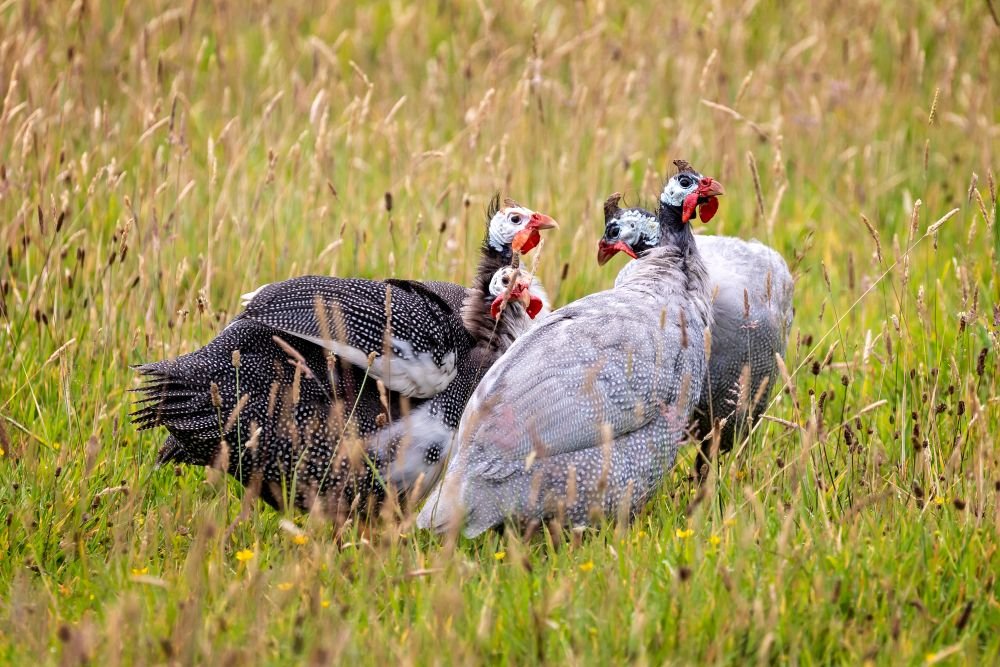
Helmeted guinea fowl are the most common type of guinea fowl. They have plumage and a casque that forms the shape of a helmet over their head. These birds are versatile and resilient in nature, which makes them easily adjustable birds, whether in homes or in commercial settings.
Some other kinds of guinea fowls are the Crested Guinea Fowl, White Guinea Fowl, and Pearl Guinea Fowl. They have a tuft of hair, beautiful retro feathers, and a pretty appearance, respectively, that make them unique and stand out from others.
Behavioral Characteristics
Guinea fowls are social birds that flock. They define a distinct pecking order and like to forage with each other. The birds are vocal and have the ability to call loudly particularly when they are alarmed but the birds are usually alert and active. Guinea fowls are foragers and they consume insects, ticks and weeds thus being an ideal natural pest controller. Curious and active also makes them stay busy during the day keeping the backyard or farm healthy.
Benefits of Raising Guinea Fowl
Guinea fowls are a perfect way to eliminate the use of chemicals in controlling insects and ticks, which are easily eliminated by them. They are also very helpful in offering healthy eggs and lean meat thus they make a good contribution to any farm or backyard. Guinea fowl consume less food, hence they are economical in terms of costs as compared to chicken, since they are efficient foragers.
All these advantages make them suitable for both inexperienced poultry owners and those with experience and seeking some productive and low-maintenance poultry. The rearing of guinea fowl helps in maintaining a sustainable farming environment that is also healthy and provides a source of reliable food.
Setting Up a Guinea Fowl Habitat
Healthy guinea fowls require proper housing. Indoor: 2-4 sq ft. /bird Provide 10 sq ft. or more of outside run. Coops must have perches, proper ventilation and protection against predators. It is necessary to have secure fencing to ensure that birds do not escape and to keep predators away, and safe free-range places where they can forage in the day. Guinea fowl require comfortable nest boxes that are in the right locations and constructed of materials that are durable. They are sheltered by high roosts. When habitat is designed properly, it would be safe, natural behavior would be promoted and eggs produced would be healthy. Consider the Pet Boarding option in case you are travelling out of the city.
Feeding and Nutrition
Healthy guinea fowl need a balanced diet. Provide commercial poultry feed rich in protein, grains and vitamins to aid in growth and egg production. Add vitamins, such as grit to digest, and calcium to make hard shells. Guinea fowl also enjoy foraging, picking up insects, seeds and weeds, which enhances natural nutrition and feed expenses. Feed adult birds once or twice a day, but be careful not to overfeed. Always have clean and fresh water, and hydration plays a vital role in the entire body. Feeding ensures that the guinea fowl remains active and productive as well as disease resistant.
Health and Disease Management
Health is important to the productivity and the life span of guinea fowl. Disease outbreaks can be prevented through regular monitoring and clean houses as well as proper nutrition leading to a healthy flock. A pet like a Guinea fowl needs surgery rarely.
Common Health Issues
Guinea fowls are vulnerable to parasites such as mites and lice which may lead to discomfort and low productivity. Airborne diseases such as pneumonia are prevalent as well, particularly in heavily congested or stuffy stables. The egg-laying difficulties can be caused by stress, dietary problems, and disease. It is necessary to remove serious health problems through early diagnosis and proper treatment.
Vaccination and Preventive Care
Guinea fowl vaccination against Newcastle disease and Fowl Pox serves to prevent the prevalent viral infections in the flock. Isolate new birds before introduction and conduct frequent health examinations. Prevention options such as clean housing, fresh water and a nutritious diet minimize risks of disease and a long productive life.
Signs of a Healthy Bird
Guinea fowl are known to be very active in behavior as they have bright alert eyes and smooth feathers. They consume food and beverages routinely, and forage and socialize normally. Monitoring these symptoms assists farmers with early identification of health complications and prevention of flock sickness.
Breeding and Egg Management
To breed guinea fowl it is necessary to know their natural mating behaviors and preferences. One male normally copulates with multiple females and egg-laying is done over a long duration. The incubation period takes approximately 26-28 days and close observation will lead to successful hatching. Gather the eggs daily to avoid disfigurement or contamination. To keep the eggs in a fresh condition, keep them in a cool dry place until they are to be incubated or eaten. Appropriate breeding methods and handling of eggs enhance hatch rates, good development of chickens, and a constant supply of good quality guinea fowl eggs.
Seasonal and Environmental Care
Shade should be abundant in summer, the ventilation must be good, and fresh water should be provided to prevent heat stress. In winter, line the coop and guard the birds against frost. In cold weather, decrease feeding and increase it to match the increased energy requirements. Constant temperature and other conditions monitoring during the entire year preserves health, stimulates the regularity of egg production, and removes seasonal stress.
Advanced Tips for Experienced Farmers
Older farmers may use guinea fowl to control pests naturally, which would help to minimize the number of insects and ticks. To enhance the health of pastures and to eliminate overgrazing, adopt free-range rotational grazing. Crossbreeding has the ability to improve the production of eggs, growth and immunity to diseases. The strategies maximize the performance and sustainability of flocks.
Common Mistakes to Avoid
Make sure that there is proper ventilation to avoid stress and disease. Health checks are crucial to detecting early problems. Create quality feed and clean water. Failure to provide these fundamentals can decrease productivity, enhance disease, and cause damage to the flock.
Conclusion
Healthy, productive guinea fowls are guaranteed as a result of proper care. Farmers can increase the production of eggs and natural control of pests by offering appropriate living conditions (housing), healthy food, disease prevention, and seasonal control. These tips in care will ensure health and efficiency in the long run. You may be either an amateur farmer or a skilled farmer but begin the application of these strategies and see yourself successfully raise guinea fowl and enjoy the numerous advantages that come along with them. You can visit Park Hills Animal Hospital to get more information about Guinea Fowl care and their lifestyle.
FAQs About Guinea Fowl
How much space do guinea fowl need?
One guinea fowl needs 2-4 sq. ft. in an enclosure and 10 sq. ft. in a runout. Spaciousness eliminates overcrowding, tension, and health complications.
What do guinea fowl eat?
Guinea fowl consume commercial poultry foodstuff with a balance of proteins and vitamins, as well as natural foods such as insects, seeds and weeds. There should be access to clean water.
How often should I collect guinea fowl eggs?
Pick eggs each day so that they are not broken or foul. Keep them in a dry cool place until they are to be consumed or incubated.
What are common health problems in guinea fowl?
They may be infested by parasites (mites, lice), infected by respiratory diseases, and have problems with eggs. These issues are avoided through frequent health exams and sanitary homes.
Can guinea fowl help with pest control?
Yes, guinea fowl are known to consume ticks, insects and weeds which is good to keep the backyard pests at bay and minimize the number of chemicals used.