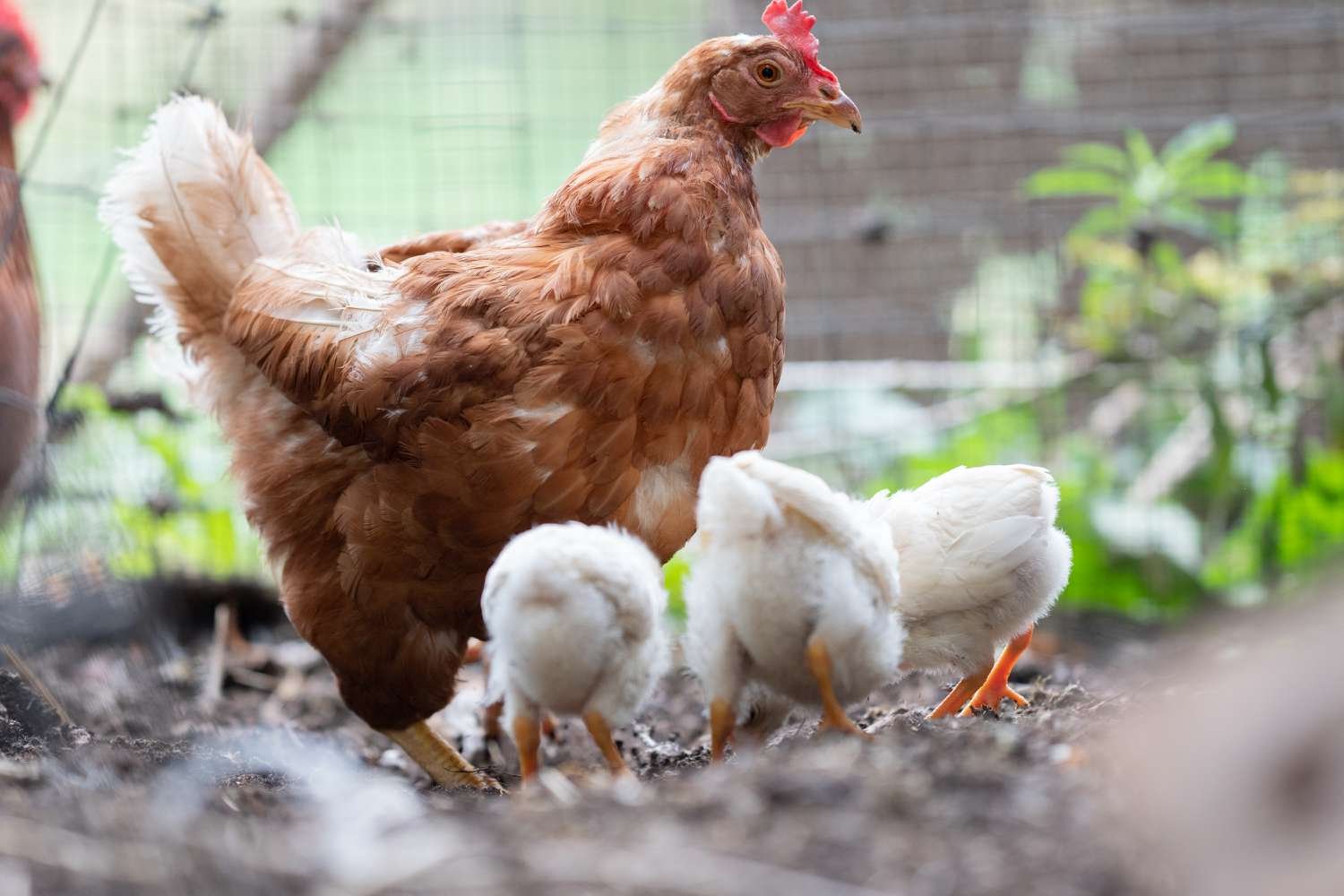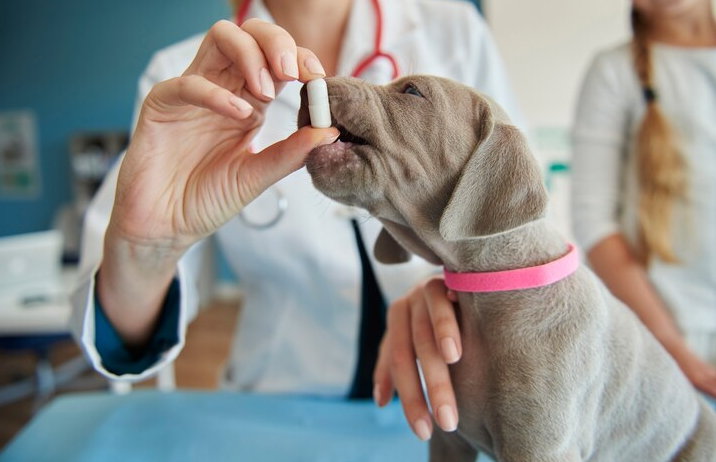
Good Pet Nutrition is an important part of ensuring the wellness, activity and liveliness of your furry friend. The balance in the diet is not only a way of stuffing their stomach with food, but also maintains their immunity, energy levels, growth, and their long-term well-being. Pets depend on their owners to get the kind of food that is really appropriate, not on the convenient one. You can provide your pet with the best opportunity to live a longer and happier life by learning what to eat and the recommended guidelines on feeding.
Why Pet Nutrition Matters
Good health starts with what your pet is eating. A combination of macronutrients (proteins, fats, carbohydrates, vitamins, and minerals) is involved in the support of the key bodily functions. A healthy pet diet helps to improve immunity, build healthy muscles, keep the coats shiny, and depend on digestion. In case of absence of essential nutrients in the diet, pets may develop such problems as obesity, lethargy, allergies, skin problems, or weakened immunity.
Proper Pet Nutrition is a way of keeping your pet perfectly healthy with an adequate combination of the essential nutrients that allow it to grow, repair, and remain healthy at all its stages of life.
Pet’s Nutritional Needs
The nutritional needs of each and every pet are unique and they may vary according to the species, breed, age, and the activity of the pet. The high calories and protein in puppies and kittens are needed to help them grow fast, but then adult pets require consistent and balanced meals to keep them strong and energetic. Older pets can enjoy foods helping in easy digestion, their joints and weight management.
It is possible to fulfill these needs with the help of following pet dietary recommendations and healthy pet food created using real and quality ingredients. Being aware of these differences will help keep your pet in good health and help them achieve healthy Pet Nutrition at all stages of their life.
Choosing the Right Pet Food
Choosing healthy food is among the crucial ones that your pet is supposed to have. Choose either dry kibble, wet food, fresh meals, or even the diets that the veterinarian suggests but remember to look at the label. Look for:
- The first ingredient is a real protein.
- Restricted artificial preservatives.
- Minerals and vitamins at a balanced level.
Do not use additives such as by-products, artificial flavorings, fillers, and unnecessary additives. Premium and certified brands guarantee a balanced diet of pets and contribute to their improved health in the long term. Strong Pet Nutrition includes the right food.
Portion Control & Feeding Schedules
Even the healthiest food may lead to problems when provided in improper proportions. One of the most prevalent causes of pet obesity is overfeeding, and it may cause pain in joints, diabetes, and heart diseases. Feed according to instructions on packaging or ask your vet regarding right amounts.
Regular feeding times are also beneficial in digestion and maintain the metabolism of your pet. These are easy pet feeding habits, measured meals and regular feeding, and they do a lot in enhancement of Pet Nutrition and quality of life.
Hydration: The Overlooked Part of Pet Nutrition
Water is as necessary as food. Hydration in proper amounts helps the digestive system, controls the body temperature, and enables the organs to work without any problems. Ensure that your pet is provided with fresh clean water. Refill bowls every day and install several water stations in the house in case of necessity.
The role of hydration in pet health and diet is significant and though it is an important factor, it is still neglected by many owners. You should ensure that your pet drinks often in order to prevent dehydration, particularly during hot seasons.
Foods to Avoid for Better Pet Nutrition
Various human foods might be dangerous and even toxic to pets. To keep your Pet Nourished, do not feed your pet:
- Chocolate
- Grapes and raisins
- Onions and garlic
- Alcohol
- Caffeine
- Xylitol (presented in sugar-free products)
- Cooked bones
- Human snacks are processed highly
These foods may lead to digestive discomfort, poisoning or permanent health problems. Also do not use fad homemade diets which are not supported by nutritional science because such a diet does not have the essential nutrients used to make up a balanced pet diet.
When to Consult a Veterinarian
Our veterinary in Park Hills Animal Hospital has an important role to play in ensuring that your pet has a long run of health. In case of any of the following symptoms including sudden weight gain or loss, a dry or thin coat, digestive issues, loss of appetite, and unusual state of lethargy, a nutritional imbalance or deficiency might be observed.
Wellness check-ups in Park Hills Animal Hospital will enable our veterinarians to identify the individual needs of your pet and design an individualized nutrition program. This makes their Pet Nutrition balanced and effective as they grow, age or have their general health changed.
Conclusion
The secret of a longer, healthier and happier life of your furry friend is in Strong Pet Nutrition. You can provoke a strong effect on the welfare of your pet by the right choice of food, adherence to the rules of feeding, and the avoidance of negatively affecting products. You can change the diet of your pet right now since they are in your hands so that you can give them a healthy life.
FAQs
Why is Pet Nutrition important for my pet’s health?
Proper Pet Nutrition is the right nutritional food that will help your pet to develop, provide energy, and immunity and maintain long-term health. A balanced diet carries its preventive effects such as obesity, skin problems, digestive disorders etc.
How do I know if my pet’s diet is balanced?
The balanced diet should consist of the appropriate combination of proteins, healthy fats, vitamins, minerals and fiber. Not sure, the veterinarians at Park Hills Animal Hospital would evaluate the current diet of your pet and advise on the same based on the age of the pet and on their health requirements.
How often should I change my pet’s food?
Unless instructed by a veterinarian, pets do not have to have very frequent food changes. Sharp transitions may lead to stomach upsets. In changing diets, it is always important to add new food step by step within 7-10 days.