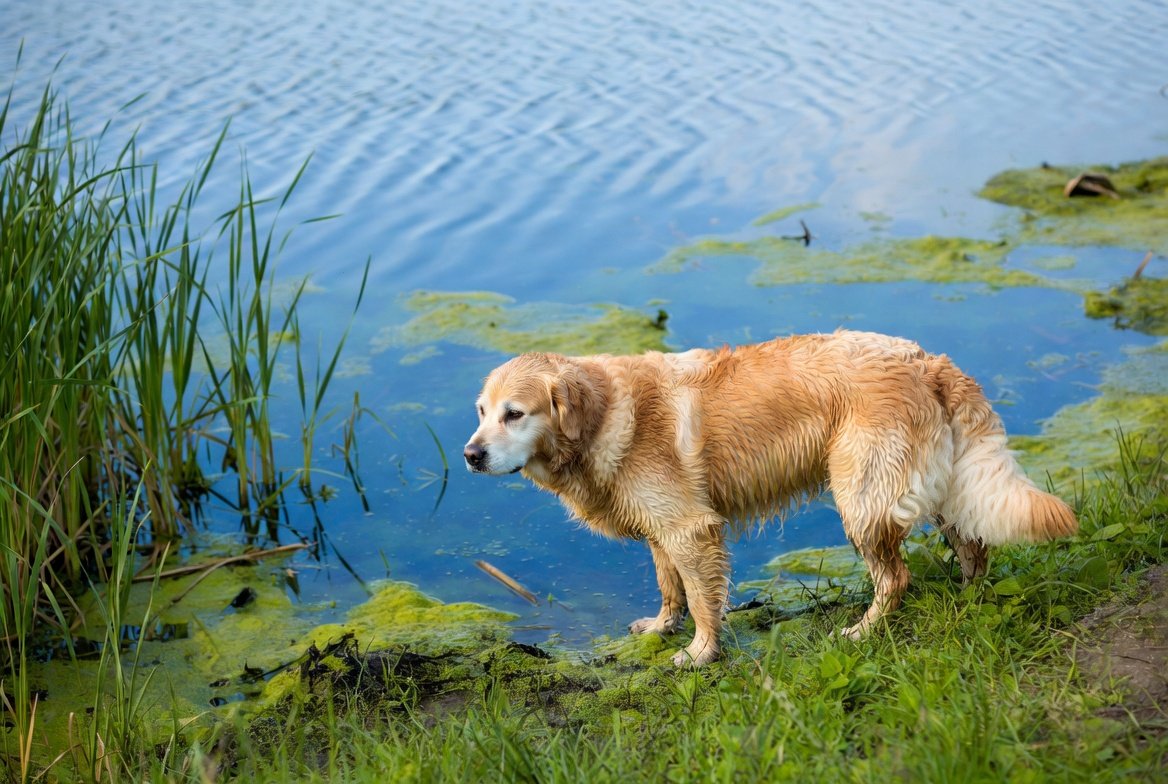
Warm weather provides an opportunity for pet owners to spend time outside with their dogs. However, not all locations with water sources can be safe, especially when they harbor deadly blue-green algae. Blue-green algae for dogs can be poisonous and require immediate veterinary care to survive.
A healthy pet will generally recover quickly from illnesses if it receives proper pet nutrition. However, if your dog is exposed to this toxic substance, then it can lead to dangerous consequences quite fast. Blue-green algae for dogs are toxic bacteria that thrive in warm, stagnant waters or slow-moving water. Dogs get exposed easily when they come in direct contact with the contaminated water source.
It is important to learn the early signs of poisoning from blue-green algae for dogs since it will help you take prompt action to help your pet get treatment. The guide describes the reasons why poisoning from blue-green algae in dogs occurs and is dangerous for your pets.
Why Blue-Green Algae for Dogs Is So Dangerous
Blue-green algae are dangerous for dogs because when ingested by pets, they cause poisoning. Toxins produced by this bacterium harm the dog’s liver and nervous system quite rapidly. This means that it affects them in a very short period after exposure.
Poisoning from blue-green algae for dogs occurs within fifteen to thirty minutes after exposure. Dogs staying in pet boarding may benefit from pet professionals who recognize environmental dangers associated with nearby water sources and help prevent such associated risks. Poisoning from blue-green algae for dogs becomes more common during warm periods since it grows rapidly under warm conditions.
Sudden Vomiting After Water Exposure
One of the first signs of poisoning from blue-green algae for dogs is unexpected vomiting after coming into contact with contaminated water. The dog may start feeling sick and throw up vomit during the ride home, or once they arrive inside their sheltered environment.
Due to the rapid infection from the toxins, a dog may vomit after coming into contact with contaminated water. Sometimes the vomits contain foam and bile as well. Pet owners should never ignore continuous vomiting if the dog was near any pond, lake, or river. Owners might think that this vomiting occurs due to stomach upsets. However, timing is critical since the poisoning from blue-green algae for dogs advances very rapidly.
Extreme Weakness and Lack of Coordination
Dogs may suddenly experience extreme fatigue and lack of coordination after being exposed to poisoning from blue-green algae for dogs. It happens in a matter of seconds, whereby the dog loses balance and starts stumbling.
The reason behind this condition is that specific types of blue-green algae poisoning can affect the nervous system of dogs. This makes it hard for them to coordinate movements. At times, the dogs show signs of muscle tremors after getting infected.
Changes in Breathing and Heart Function
Another sign of poisoning from blue-green algae for dogs involves breathing difficulties. This is caused by toxins affecting the body organs responsible for breathing and circulation. Owners should recognize breathing difficulties in their pets. Once detected, it calls for advanced veterinary care and emergency pet surgery to stabilize your pet.
Fast or Difficulty Breathing
Dogs suffering from blue-green algae poisoning will show signs of heavy breathing while resting. They may also be seen panting excessively or having breathing difficulties. They could also be producing strange breathing sounds or acting nervous when inhaling or exhaling air. It happens because of the damage that occurs internally, reducing the function of the organs. The level of oxygen in the body drops very rapidly, causing a potentially dangerous situation.
The owners should not ignore heavy breathing that occurs after a swim in contaminated water. If the dog vomits and experiences weakness, then the owner needs to seek medical help immediately.
Excessive Drooling and Pale Gums
Poisoning from blue-green algae for dogs involves the early warning sign of excessive drooling by the dog. They will drool continuously or foam from their mouths once exposed to the contaminated water. At times, the owner may observe pale gums that can signify toxin-related shock. These are emergencies resulting from poisoning from blue-green algae in dogs requiring urgent treatment.
Nervous System Symptoms That Need Immediate Attention
Specific strains of blue-green algae affect the nervous system of dogs quite rapidly. Therefore, the symptoms develop extremely fast after exposure to the water source. Recognizing these neurological symptoms can help the veterinary experts initiate treatment procedures quickly. Hygiene and pet grooming practices performed regularly can help the pet owner recognize changes in their pet quickly.
Tremors, Seizures, and Twitching
Pets can show symptoms of twitching, seizures, or tremors after being poisoned by blue-green algae for dogs. Muscle twitching is one of the first symptoms noticed after exposure. As the poisoning advances, the dog suffers from trembling and convulsions.
Seizures that occur as a result of poisoning from blue-green algae for dogs are considered emergencies. The dogs lose their sense of awareness, paddling, and temporary loss of responsiveness. Pet parents should know that if any dog is experiencing tremors after swimming in natural waters should be brought to the veterinarian immediately.
Sudden Collapse or Unresponsiveness
A dog collapsing quite fast after getting exposed to poisoning from blue-green algae for dogs is a common presentation. They may also fall unconscious very fast since the toxins affect the nervous and respiratory systems.
Once the poisoning takes place, your dog will experience other symptoms like difficulty breathing, weakness, and confusion. Unfortunately, these symptoms advance quite fast, meaning that the chances of survival will be minimal.
What Pet Owners Should Do Immediately
As a pet owner, there are various things that you need to do if you suspect your pet has been exposed to poisoning from blue-green algae for dogs. First, prevent the pet from licking its coat by removing it from the water source.
Then, rinse its coat completely while ensuring that you wear gloves to protect yourself from possible infections. Next, move the pet to a veterinary hospital as fast as possible. Pet owners should also call ahead before visiting the hospital to help them prepare adequately.
It is useful for bringing details about the location where the animal got infected. The emergency treatments for poisoning from blue-green algae for dogs involve supportive care, oxygen therapy, medications, and fluids based on their conditions.
Conclusion
Poisoning from blue-green algae for dogs is a dangerous medical condition that needs urgent treatment to survive. The symptoms described above can develop rapidly and affect the dog’s health. Therefore, pet owners need to check their pets after removing them from water sources. A professional checkup also plays an important role in the early detection and treatment of blue-green algae poisoning. For this purpose, you can visit Park Hills Animal Hospital.