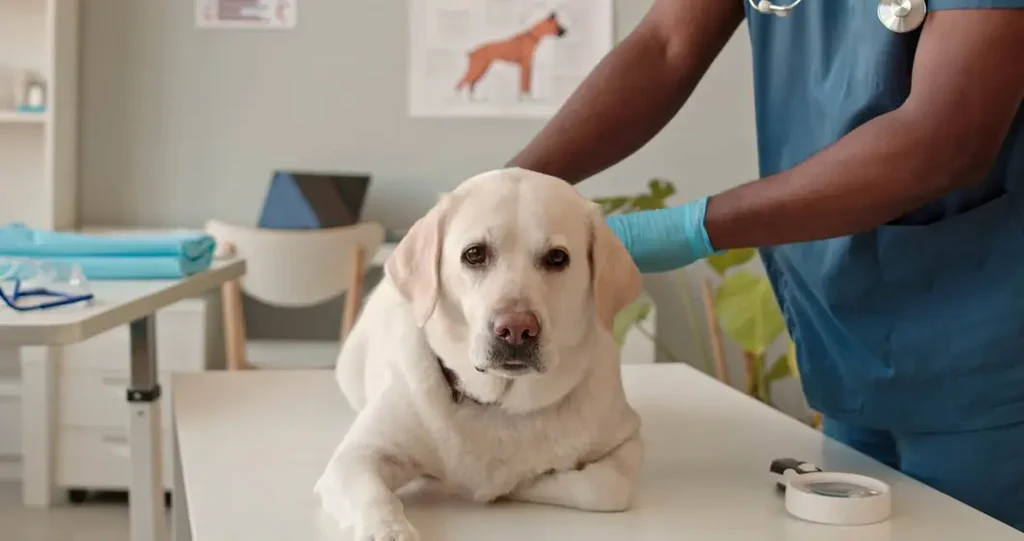
TPLO surgery dog is an operation that is equivalent to a dog knee glow-up. When a dog’s paw tears its ACL, the surgery to fix the TPLO dog procedure moves the bone in such a way that the knee is stable without the use of the damaged part of the ligament. Home healing is important since your dog will be comfortable in his or her own little kingdom thus will heal faster. And don’t stress, pet parents. TPLO surgery dog recovery does not need to be anarchy with a homey setup and some form of order. You have a hundred percent chance afterwards whether your vet said dog acl surgery or you even said TPLO surgery dog.
What is TLPO Surgery?
TPLO is a somewhat common knee fix in dogs which happens to their ACL when it fails them. The ACL is the small strap that provides the knee with stability in the human context. When it tears in dogs, the knee becomes wobbly and painful. A TPLO surgery dog operation does not involve the removal of the ligament, rather the surgeon remodels and reorients a section of the tibia to make the knee stable once again.
It is a high success, high confidence form of TPLO surgery dog that helps pups to walk, run and vibrate normally without that painful limp. It is more like updating the architecture of the knee, not simply fixing it.
Creating the Ultimate Home Recovery Zone
Furnish a comfortable little nest in which your TPLO surgery dog can vibrate without performing any crazy stunts. Place them in a cage or a crate to ensure that they are not confined. Put down a rug or a yoga mat to avoid slipping around on the ice rink. In case you have kids or other pets, then mark out an area of do not disturb to leave the patient alone to heal.
Managing Pain and Medications Like a Professional
The key to the post TPLO surgery dog pain management is remaining on track with the medication regimen prescribed to you by the veterinarian. Install alarm clocks to ensure you do not forget to take medicine as missed medication will make the entire healing process much more difficult. Watch out for such reactions as vomiting, swelling or abnormal droopiness. You can use the chill vibes to make your pup relaxed: soft music, smelling mats, slow feeder puzzles or a gentle pet. These are small things that are equally helpful when performing dog ACL surgery or dog’s recovery after the TPLO surgery dog.
Controlled Activity
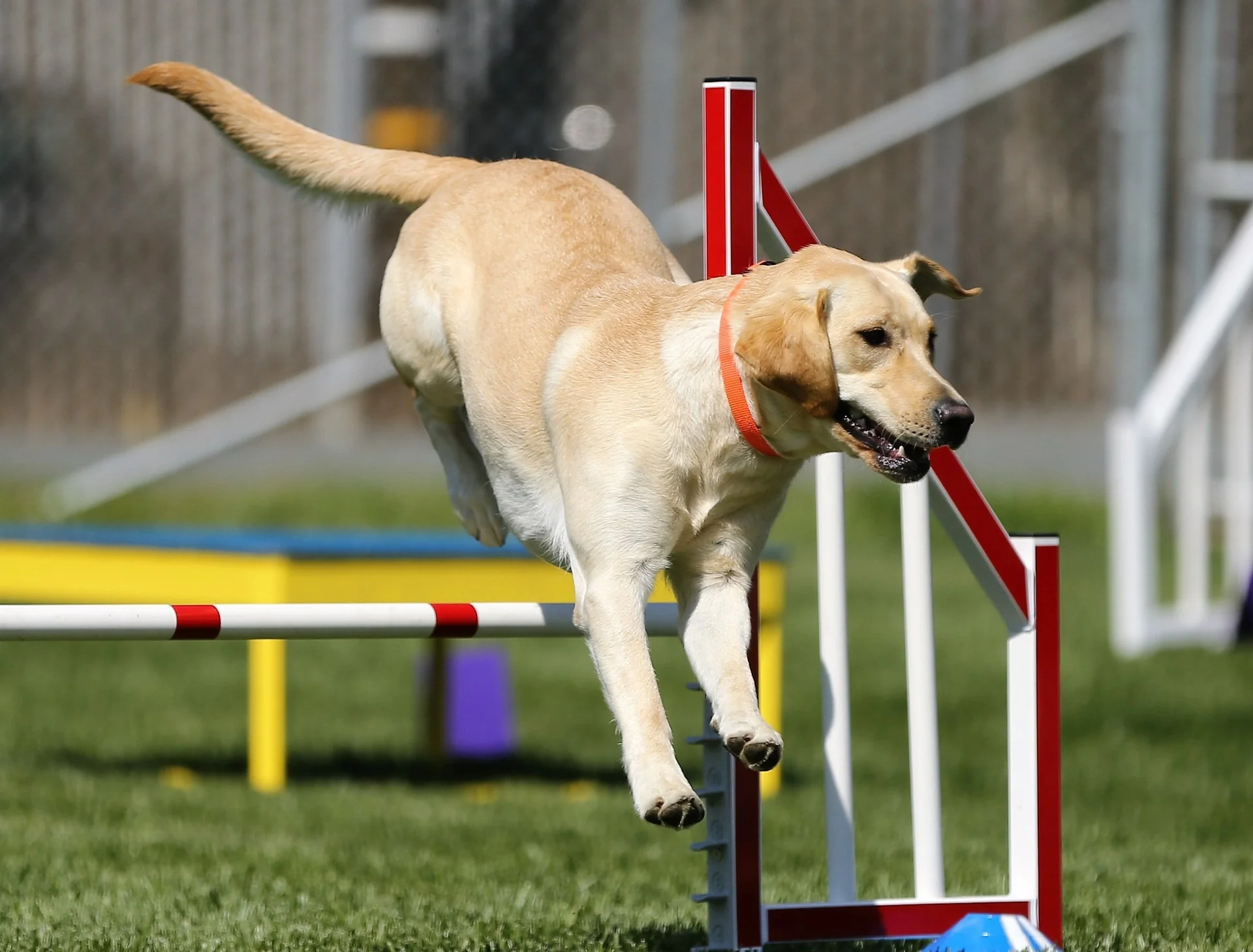
The first two weeks following a TPLO surgery dog operation are extremely low-key: the only thing is the potty, all on-leash. Short and consistent leash walks should be cool by weeks 3-6, but no zoomies, couch-jumping flexes. Always remember to keep the leash on hand to ensure that your dog does not make up his mind to be a freestyle. Excessive treatment will reverse the gains, so too will dog TPLO surgery dog or fho surgery dog recovery. Slow and steady takes the race.
Physical Therapy and Rehab Exercises
As soon as your TPLO surgery dog is a little more stable, your veterinarian may give the go-ahead to do some light range-of-motion exercises to ensure that the joint does not get stiff. Uncomplicated exercises at home such as controlled leg lifts or mild flexing assist in keeping the strength without putting pressure on the knee. With the course of healing, the so-called hydrotherapy may become a breakthrough- the water supports the load, and your pup is free to move and to build muscle safely. Your vet should always be followed to ensure that recovery in your dog progresses well be it after dog ACL surgery or TPLO surgery dog.
Nutrition to Speed Up Healing
There is a secret weapon to a TPLO surgery dog recovery namely nutrition. Consumption of protein rich and high quality food assists in rebuilding tissues and developing muscle in the vicinity of the knee undergoing healing. Other vets prescribe nutritional requirements such as joint support formula or omega-3s to help decrease inflammation and improve cartilage health. Never add anything without first consulting your vet. Hydration is also important- ensure that your pup is supplied with sufficient fresh water at all times since dehydration can retard healing. Balanced diets, supplements and proper hydration will provide your dog with the energy and nutrients needed to recover much faster even during dog ACL surgery or TPLO surgery dog recovery.
Keeping Your Dog Mentally Stimulated
Your TPLO surgery dog will get bored and restless so you should keep it entertained. Attempt light enrichment such as puzzle feeders, treat dispensing toys or low-level training. Playing games in the house or the yard is a physical activity that consumes mental energy, but does not strain the healing knee, thus recovery is easier and your pup is happier and more active.
Wound Care and Monitoring Progress
Look at your TPLO surgery dog incision every day to confirm it is not red, swollen, or discharged, etc. This is a sign of infection. Keep the place clean and dry and make some notes in a small recovery journal or capture photos. Monitoring progress will allow us to notice problems at the earliest stages and maintain recovery on the correct path.
Preventing Setbacks
Avoiding disappointments is the most important in a TPLO surgery dog recovery. Do not allow your pup to jump on the furniture or go on zoomies, which will destroy the healing knee. Block or use baby gates to block tempting areas. Control stairways carry small dogs or keep large on a leash and make a slow pace. Onlookers may be thrilled and, therefore, to ensure that your dog does not get lost in the melee, develop a quiet area and easily lead the dog away.
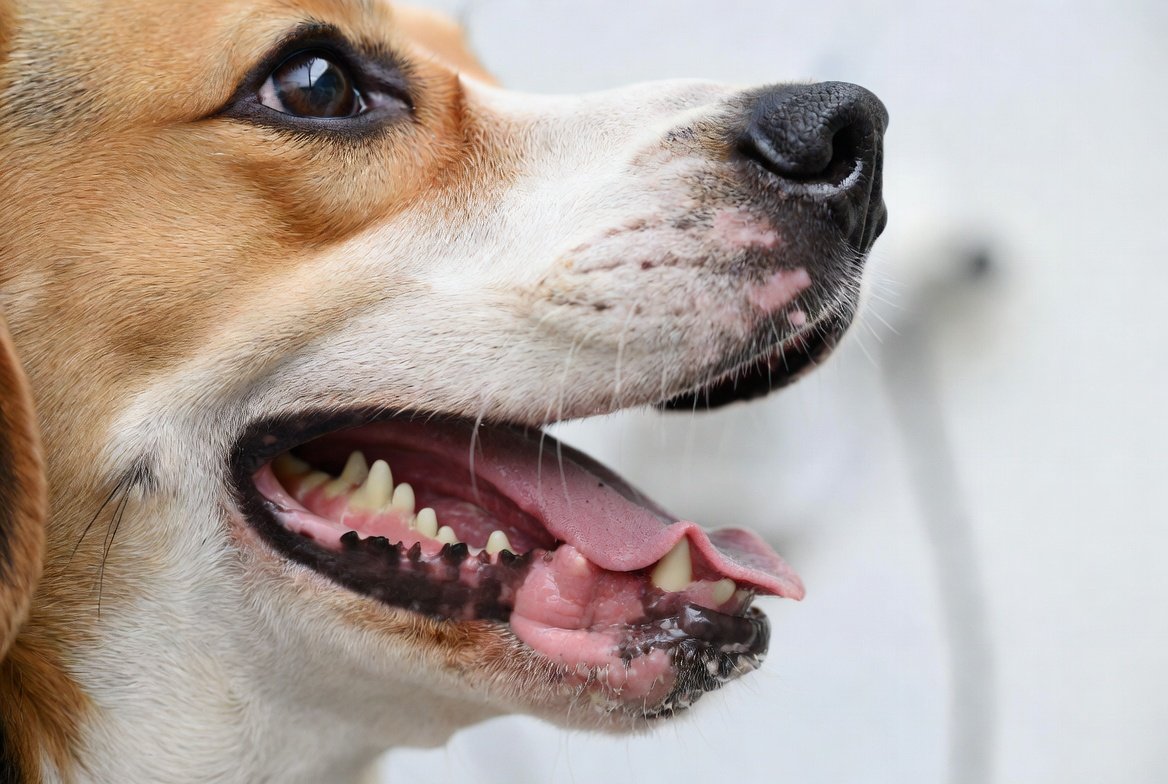
During TPLO surgery dog or fho surgery dog recovery, despite the controlled movement and low stress levels, continuation of reinjury can be avoided, the healing process will be faster and your dog will be a happy and healthy pup at the end of the TPLO surgery dog. Our vet also provides dental care services for your dog to maintain their oral health during the recovery period.
When to Contact the Vet
It is important to know when to call the vet when recovering from your TPLO surgery dog. Among the red flags are excessive swelling, discharge, foul odor, constant limping, or sudden pain aggravation. A little limpiness is okay, however, during the first few weeks, however, when it starts getting worse or does not improve over time, it is time to make contact. Monitor the follow-up regime of your vet – typically a check-up at 2 weeks to check on the incision and another one at 68 weeks to determine healing. Timely interaction will mean that your dog will be safe as well as that little problems will not turn out to be big setbacks.
Final Thoughts
It may seem like a daunting task to revive a TPLO surgery dog, but you can do it. Make your pup safe, comfortable, and mentally stimulated, keep to the instructions of your vet, and do not forget about medications and check-ups. Good diet, moderation, and light rehabilitation are the big secrets to quick healing. Patience and care will get your dog recuperating better than before and you too will make it through your recovery experience calm and confident. Visit Park Hills Animal Hospital to get more information about pet care.
FAQs
When can I expect my dog to be back to normal after TPLO?
The rehabilitation can be relatively quick (8 -12 weeks) based on the age of your dog, its size, and its condition. Restricted exercise, wound treatment and abiding by the instructions given by the vet can greatly accelerate things without causing harm.
Can dogs move around normally after TPLO surgery?
Yes, only under strict control. A few weeks after the TPLO surgery dog, short, slow leash walks are normally permitted. Until approved by your vet, jumping, running or stairs should be avoided.
When should I call the vet after TPLO surgery?
Monitor swelling, redness, discharge, bad smell, and sudden limping. The fact that one feels persistent pain or lethargy is also a sign of problems. These should be reported to your vet as soon as they come.
How can I keep my dog mentally stimulated while healing?
Use puzzle toys, dispensing toys, mild training and sniffing games. These exercises cause no energy depletion and do not put stress on the injured knee.
Do dogs usually regain full mobility after TPLO?
Yes! Through appropriate care, restricted activity and rehabilitation exercises, most dogs can regain almost normal mobility. The recovery time can be slightly different in terms of age and size among any other health problem.