If you are going to choose goats for breeding and care, you need proper information. It is essential for a healthy and productive herd of goats that is best suited for breeding and care. When well selected, the genetics are good, the milk or meat produced has been great and the health of the herd is generally improved. Selecting goats of good genes, good health and acceptable lineage ensures that disease chances are minimized and the offspring are much better.
This is a guide that helps farmers, hobbyists and smallholders to make the correct choice in choosing goats which includes the selection of breed, health examination, nutrition, and care which will allow them to create a profitable and sustainable herd.
Understanding Goat Breeds
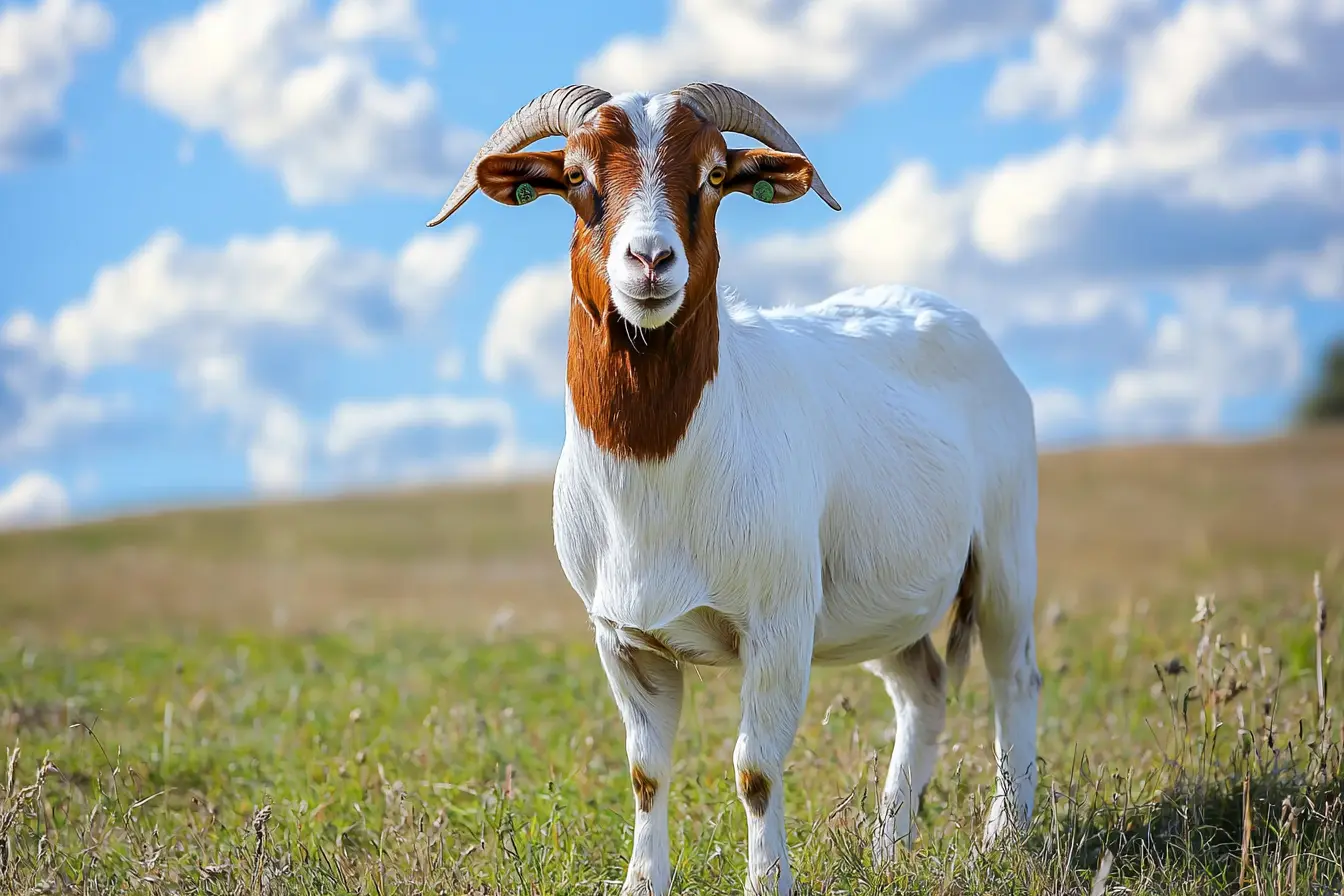
It is important to find the appropriate goat breed to breed successfully and ensure a productive herd in the long run. The choice of breeds depends on their use and it is important to choose carefully different breeds. In the production of meat, Boer goats are sold because they grow very fast and have a muscular shape.
Breeds that specialize in milk such as Saanen and Nubian have great milk production and quality, and those that can be used as meat with milk are known as dual-purpose breeds such as Kiko and Alpine. Some of the factors that should be considered when selecting the appropriate goat breed include the size, temperament, climate flexibility, and overall productivity.
By ensuring that the breed corresponds to the objectives and environmental factors of your farm, healthy animals, better offspring and maximized yield, informed choice is a key pillar to successful goat breeding. This is a critical method for any person who is taking a venture into goat breeding.
Key Factors in Selecting Goats for Breeding
Goat breeding requires a careful evaluation in order to develop an effective, powerful herd. Care should be taken to prioritize the factors of health in general, quality of genes, ages, and temperament, so that the offspring are robust and the herd can perform sustainably. These are the important selection criteria that one should know when they want to make their goat breeding program as successful and as long lasting as it can be.
Age and Maturity Considerations
Age is a decisive factor in healthy breeding. Depending on the breed, does are supposed to be bred at 12-15 months whereas the bucks mature sexually at 8-12 months. Goats are chosen at the appropriate age to be more fertile and healthy.
Physical Health Indicators
Breeding goats are healthy with bright eyes, shiny coats, good hooves and good body condition. Healthy animals have higher chances of giving birth to healthy and productive children and being productive over time.
Genetic History and Pedigree
Selection of goats with known lineage and desirable characteristics, e.g. resistant to diseases, fast growing, large milk production, etc. enhances the quality of the herd across generations. Pedigree is very important in the development of good genetics.
Temperament and Behavior
Relaxed, easy to handle goats decrease the hassle of handling, making breeding safer. Aggressive or skittish animals may become a challenge in the process of mating and day to day management of the herd.
Signs to Avoid
Do not take goats with deformities, chronic diseases or low productivity. The appropriate choice of animals to be used in reproduction ensures that the offspring are healthy and better performing in the herd.
Health Checks Before Breeding
A goat health check is a vital exercise before breeding to have a healthy and productive herd. Routine vaccinations and deworming prevent many health issues, as well as the screening of such diseases as Caprine Arthritis Encephalitis (CAE), Johne’s disease and Caseous Lymphadenitis can help prevent the problematic herd in the long run.
Breeding success depends on the reproductive health evaluation, which can include fertility checks, udder checks, and estrus cycle checks. New goats to be introduced are quarantined to prevent the transmission of infections.
Good pre-breeding management of the goats will not only protect the health of the goats but also enhance the quality of offspring, reproductive success and the productivity of the herd in general. You can support their teeth by monitoring dental health similar to pet dental care.
Feeding and Nutrition for Breeding Goats
Goats need proper feeding and nutrition in order to breed. Does and bucks need a balanced diet that is high in protein, vitamins, and minerals to enhance fertility, reproductive health, and general performance.
During breeding and gestation periods, nutritional needs are met using supplements like the use of mineral blocks, quality forage, and grains. Sufficient feeding of goats to breed has direct effects on the milk production, development of young ones and liveliness of the herd. Healthier pregnancies and healthier, stronger productive kits are assured with emphasis on the nutrition of goats.
Housing and Care Considerations
To achieve good health and productivity of breeding goats it is necessary to provide them with proper housing and care. A good environment enhances successful reproduction, reduces stress and averts disease, which constitute the basis of good herd management. A proper housing like pet boarding always ensures safety, comfort and healthy growth of your goat.
Proper Shelter
In order to be safe and healthy, goats need a dry and well-ventilated shelter that is predator-proof. Stress and illness are kept down by adequate protection against the harsh weather and predators.
Space Requirements
Make sure to have space for breeding pairs and bigger herds. Crowding may lead to stress, injuries and low reproductive efficiency.
Routine Hygiene Practices
Hygiene and prevention of infections are ensured by the regular replacement of bedding, a complete cleaning schedule, and trimming of the hooves, keeping goats healthy.
Stress-Free Environment
Low stress level and a relaxed environment will result in a successful mating and healthier offspring leading to better herd production.
Record-Keeping and Breeding Management
Good herd management requires proper record keeping on the goats for breeding. Record mating dates, health and offspring records to support reproductive performance and herd health in general. The tracking down of lineages and definite characteristics assists in enhancing genetics in the long run, so that offspring will be stronger and healthier.
The tracking of gestation and kidding intervals enables early attention and minimizes the complexities in birth. Regular herd management recommendations by maintaining detailed records help in sustaining productivity and preventing diseases as well as making informed decisions and is therefore rather an important practice of any goat breeder.
Conclusion
A successful and productive goats for breeding program depends on careful selection, good health management and attentive care. When informed decisions are made, the goats would be healthier, their offspring will be stronger and the herd will succeed in the long-term.
To ensure the best performance, it is suggested to consult a veterinarian or a seasoned breeder that would advise on breeding practice and solve any problems to have a successful and sustainable herd. You can visit Park Hills Animal Hospital to get more guidance on pet health.
FAQs
What is the best age to start breeding goats?
Does normally achieve breeding status between twelve and fifteen months old whereas bucks attain sexual maturity between eight and twelve months based on the breed. Goats should be selected when they are young thus guaranteeing healthy offspring and increased fertility.
How can I tell if a goat is healthy for breeding?
Goats are healthy with shining eyes, strong hooves and good body condition. They are not supposed to have any chronic illness. A pre-breeding health examination by the veterinarian is highly encouraged.
Which breeds of goats offer the best milk yield or meat quality?
Boer goats are good in meat production, Saanen and Nubian goats are good in producing milk and Kiko or Alpine goats are good in producing both milk and meat.