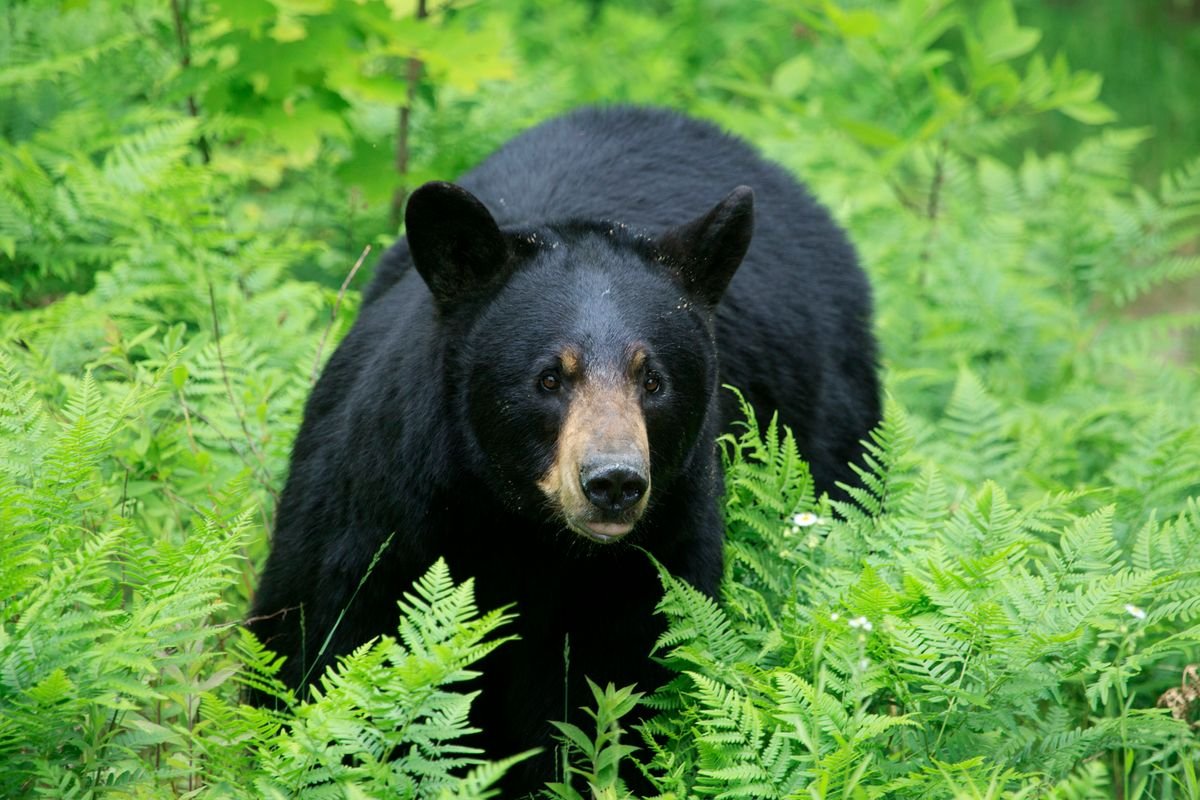
Moon bears are medium-sized bears with large ears and short snouts. They possess thick black fur with a white crescent on their chest. This crescent-shaped mark on their chest is their trademark. In addition to their beauty, there are some facts about them that will help you understand and appreciate these magnificent animals.
Everything You Need to Know About Moon Bears in 7 Points
Moon bears are Asiatic bears, the wild animals living in the forest and possessing hunting instincts. They may interact with humans or human-living areas in search of food. Here are some facts about moon bears that you should know:
Moon Bears Are Native to Asia
Moon bears live in forest ecosystems and mountainous areas all over Asia. They may be found in countries including China, India, Korea, Japan, and Russia. They can adapt to a variety of habitat types, ranging from dense, natural forests to areas where people live and work. Unfortunately, many of the available habitats for bears are threatened by urbanisation and deforestation. In such cases, authorities try to accommodate the bears found in some boarding facilities for a temporary period. Then these bears are transferred to another habitat.
To support moon bear populations, understanding their natural habitats and taking steps to protect them is very important. Animal hospitals such as Park Hills Animal Hospital believe that animals require good nutrition to achieve optimal health. While nutrition is necessary for captive animals, it is also necessary to understand moon bear health in the wild.
Have a Distinctive Chest Marking
Moon bears are easily recognized by their white or cream colored crescent shape marking on their chests and are often described by their common name of moon bear. The actual size and shape of this crescent can vary from bear to bear, but every moon bear will have one.
In addition to being visually attractive, this marking may also have some significance for bears in terms of communication, especially where they are found in relatively thick habitat. Many wildlife professionals have made comparisons between these markings and the types of experiences.
Skilled Climbers
The moon bear is an efficient climber compared to other types of bears. To find food like fruit or honey, or simply to get away from a potential danger, the moon bear loves to climb trees. For finding food, these animals use their strong limbs and sharp claws. Their ability to climb efficiently across the tree canopy and through the forest protects them from potential threats.
Moon Bears are Omnivorous
Moon bears can eat a wide variety of plants and animals as their regular food. They eat fruits, nuts, leaves, insects, and small animals that support their diet and nutrition. During the spring and summer seasons, there is a lot of vegetation in their diet because there is not a lot of food available in other seasons. In the fall, they like to eat nuts and fruits that allow them to stockpile fat to help them with their hibernation through the winter months.
Adopting an omnivorous diet helps bears adapt to the seasonal changes that take place when food resources are limited. These bears still may seek out residential areas in the search for crops or livestock. Just like domestic pets benefit from having a well-balanced nutrition plan, wild animals also need to eat a balanced diet to sustain them through hibernation.
Hibernate in Cold Regions
You should know that bears hibernate in winter. It is because there is less food available during this season, and it is difficult to hunt. So, most of the moon bears, also called white-chested bears, in cold regions, hibernate. Hibernation varies from bear to bear. Some bears go into a deep hibernation, some bears stay semi-active, getting up now and then to move around or eat some of their stored food when needed.
In warmer areas where temperatures do not drop as low as in colder climates, bears may not hibernate and instead hunt their food all year round. Hibernation serves as a very important survival technique and is one way that bears have adapted well to the variety of climates in which they live.
Serious Threats Faced by These Bears
Moon bears are vulnerable due to a number of factors, including habitat loss, poaching, and the illegal wildlife trade. The most serious threat to the survival of this species is bile farming. For making traditional medicine from the bile of bears, they are kept in captivity. There has been a large drop in the number of wild bears due to poaching and habitat destruction. Some recent studies have shown that sometimes bears are injured so badly in this illegal wildlife trade and poaching that they even require surgery and a long healing duration.
To prevent the continued decline of bears and ensure they exist for future generations, conservation efforts are required. These may include protection of bear habitat, anti-poaching programs, and other initiatives.
Social and Intelligent
The moon bear is predominantly a creature that will spend time alone. Moon bear is highly intelligent. They acquire problem-solving skills, remembering where a source of food was (and returning to eat again), and at times even using tools.
In addition, moon bear cubs frequently play together, leading to the development of their adult survival skills through play. The combined effect of their intelligence and insatiable desire to learn has led to bears being very adaptable to many environments.
Conclusion
The moon bear is a special and smart species of animal that has a significant place in its environment. But due to the loss of habitat and poaching, the moon bear is facing extinction. We can help save the moon bear and make sure that it stays in our world. For more such blogs, you can visit Park Hills Animal Hospital’s blog page.
Frequently Asked Questions (FAQs) About Moon Bears
What is a moon bear?
The moon bear, or Asian black bear, is a medium-sized bear that has a crescent-shaped white or cream-colored patch on its chest. It appears as a half-moon, giving bears their name.
Are moon bears endangered?
Yes, they are. These species are being reduced due to habitat destruction, poaching, and the wildlife trade. It is important yet necessary to protect them from poaching, instead of focusing more on habitat preservation.
Are moon bears social animals?
Ye, they are. Usually, moon bears exhibit social behavior with their offspring or with their partners when mating. The young bears often engage in play to help develop necessary survival skills for independent survival.
How long do moon bears live?
The average life expectancy for a moon bear in the wild is between 20 and 25 years. The average life expectancy for an in-captivity moon bear receiving adequate care is significantly longer because of guaranteed regular food, health care, and the ability to be safely contained.
How can we protect moon bears?
Supporting programs for wildlife conservation, legislation that bans poaching, and support for such ethical programs will further help in the survival of the moon bear. Creating awareness about bears and not the products that are linked to wildlife exploitation is also necessary.