Compared to other cats with short fur, long-haired cats have a tendency to hairballs. They come about as a result of cat grooming and the consumption of loose fur, which is retained in their stomach. Although grooming is a natural and required activity, too much shedding may result in the making of hairballs, which are a discomfort to your cat. In addition to being unpleasant to cats, cure hairballs may also be hazardous to the health of cats, including choking, vomiting or bowel obstructions.
In other instances, recurring hairballs can be a pointer to health issues. We will discuss in this blog some of the most useful solutions that can be obtained in order to avoid and treat the problem of cure hairballs in cats so that your feline friend can be healthy, happy, and comfortable.
Understanding Hairballs in Cats
The hairballs or trichobezoars are formed when cats eat loose fur during grooming. Generally the hair goes through the digestive tract, although too much grooming and shedding may cause the hair to be accumulated in the stomach. Persians and Maine Coons have a greater probability of harboring hairballs since they have coats that are thicker.
Hairball effects may be mild pain or other more serious health complications. In severe instances, they may lead to choking, vomiting or intestinal obstructions. In order to avoid these issues, you should control grooming, feed your cat with special food, and use supplements to minimize hairballs to keep your cat healthy. The best 6 solutions to correcting cure hairballs in cats are listed below.
Regular Grooming as the First Line of Defense
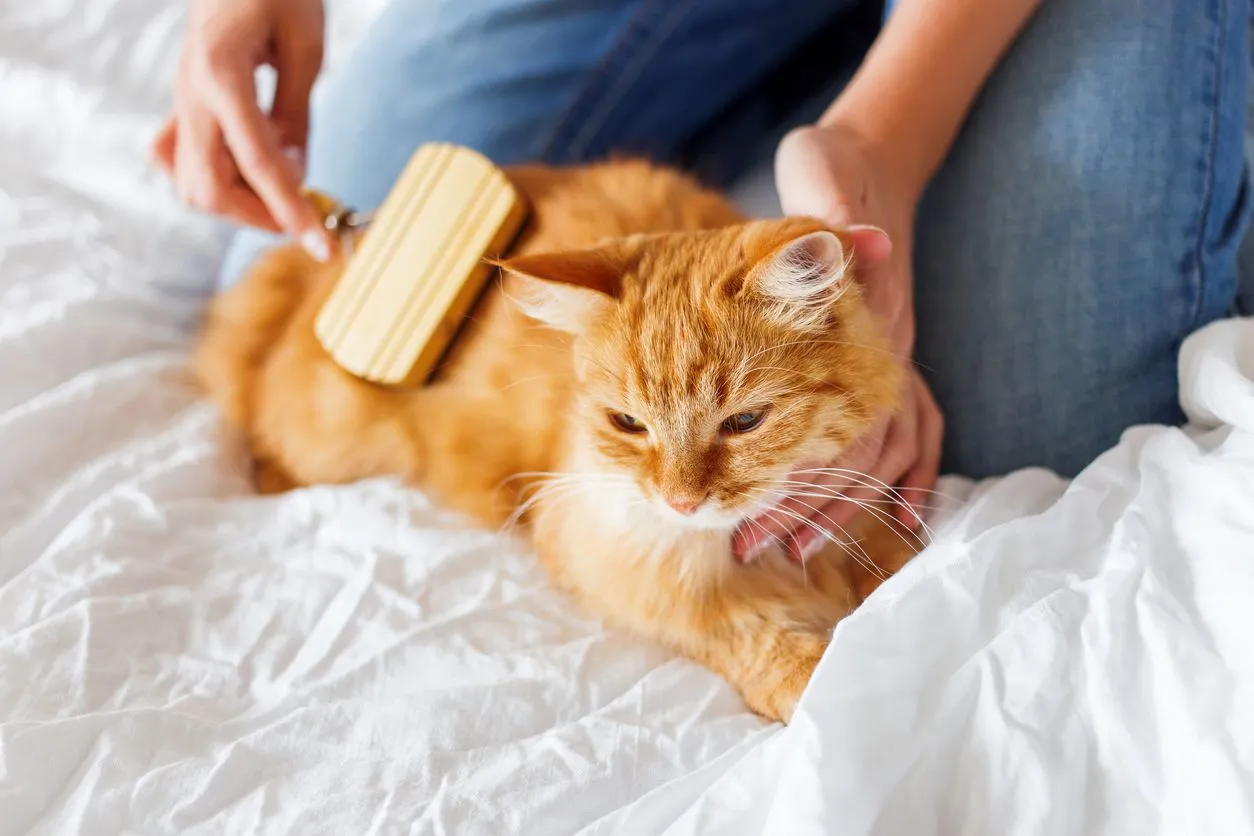
Frequent grooming is a prerequisite of avoiding hairballs among cats. Also, bathing your cat regularly will get rid of loose hair before it may be ingested and shedding is minimized as well as the number of hair that may build up in the stomach and hence the chance of having hairballs is cut.
It is also through grooming that natural oils are spread all over the coat of your cat and this makes your cat have both healthy fur and skin. The grooming tools available are appropriate for different types of coats. A slicker brush or wide-toothed comb would be good on long-haired cats to remove tangles and mats. Internal grooming other frequencies depend with long haired cats having to receive grooming on a daily basis and short haired cats being groomed once a week to prevent hairballs. Regular grooming may also help in dental care of your pet.
Hairball Control Cat Food
Hairball control cat food supplements are necessary to prevent and control hairballs using digestive health. These special recipes facilitate the ingested hair going down the digestive tract. Major ingredients are fiber, omega-3 fatty acids, and fats.
Fiber assists in the movement of hair along the digestive tract, omega-3s keep the coat healthy, and fats aid in lubricating the digestive system. Such brands as Hill, Science Diet; Royal Canin, and Iams provide you with an alternative based on the age, size, and feed that suits your cat, makes him/her comfortable, and lowers the chances of getting a hairball.
Hairball Remedies and Supplements
The supplements and hairball remedies are the keystones in the treatment and prevention of cure hairballs in cats. These products aid in digestion, lessen shedding and assist hair to pass easily through the digestive system. When used together with frequent grooming and the proper nutrition, they can be effective.
Hairball cures are common and they may be in the form of gels, treats, and fiber supplements. Gels have oils that help to lubricate the digestive system and treats are used by the choosy eaters. Fiber pills such as psyllium husk or pumpkin lead to smooth digestion and avoid hairballs. Looking at the remedy that should be selected, you need to think about the preferences of your cat, their age and health issues to select the best possible option.
Keep Your Cat Well-Hydrated
By ensuring that food is digested properly and that the hair ingested by the cat is transported through the digestive tract, proper hydration will help cats prevent hairballs. Dehydration may slow down digestion, which makes the hairballs get lodged, thus causing vomiting or causing obstruction. Encourage the use of water to hydrate, use water fountains, wet food, or add water to dry food. Also, it is possible to freeze the water to create ice cubes and enjoy the drink. Having a healthy body, shiny coat, and minimized hairball formation is possible through proper hydration.
Regular Vet Check-ups for Hairball-related Issues
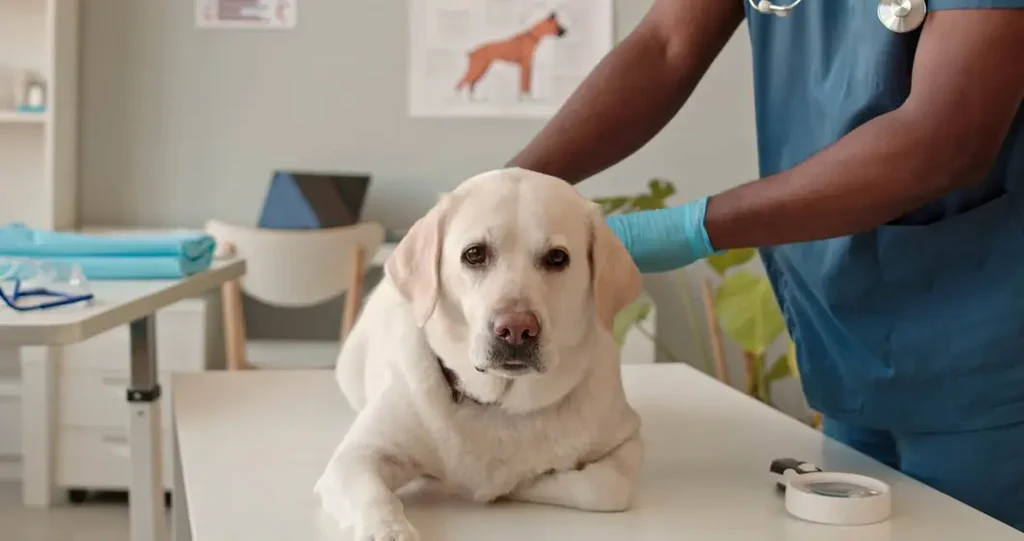
Vet check-ups should be conducted regularly in order to detect any underlying health issues that can be associated with hairballs. Although it is normal to have hairballs, excess or recurrent cases could indicate other underlying serious complications, including gastrointestinal obstructions or food allergies.
When your cat is displaying some signs of distress such as excessive vomiting, lethargy, or lack of appetite, then this may be an indicator of a blockage due to the presence of hairballs. These problems can be diagnosed by a vet who can administer therapies to eliminate blockages as well as offer tips on how to avoid further complications, and as such, your cat will have its health taken care of.
Conclusion
To summarize, hairball prevention and control in cats should be handled through a combination of proper dieting and routine grooming and with the aid of useful supplements. These practices would go a long way in eliminating the pain and risks to health that come with hairballs. Pet boarding services also help you to cure hairballs in cats.
We challenge pet owners to use the discussed solutions in order to make their cat happier and healthier. You may visit the Park Hills Animal Hospital to get more information on how to cure hairballs in cats.
Frequently Asked Questions (FAQs) of Cure Hairballs on Cats
What causes hairballs in cats?
Cats groom themselves and ingest loose fur, thereby causing hairballs. The hair gets deposited in the stomach, and it forms a ball that is usually vomited out by the cat. Long haired breeds, or cats that shed too much hair, are also more likely to have hairballs.
How can I prevent hairballs in my cat?
Frequent grooming particularly in the long-haired breeds will remove loose fur before it can be ingested. Hairball formation can also be avoided by the use of hairball control food, supplements, and proper hydration.
What are the signs that my cat’s hairball is causing health issues?
When you see your cat vomiting too much, or too sleepy, or she will no longer eat, or have trouble defecating, you may think something is wrong with her digestion or irritated by a hairball. These are symptoms that need the attention of a veterinarian.
How many times a week should I groom my cat to manage hairballs?
The cats with long hair are supposed to be groomed every day and this is to remove tangles and mats. Cats with short hair can be washed once a week to ensure that shedding is minimized and that hairballs are avoided.