It is puzzling and sad when a dear dog starts to weaken its hind legs. Degenerative myelopathy in canines could be one of the causes. It is a progressive neurological disorder that burdens the animal’s spinal cord. At such a moment, most pet owners may ask an important question that is, is degenerative myelopathy in dogs curable? Unfortunately, as of this date, there isn’t any cure for this ailment. However, you can delay its progressive path and ensure the quality of life of your buddy. Understanding what step to take while making informed decisions about caring for your furry buddy is important for treating degenerative myelopathy in dogs.
What is Degenerative Myelopathy in Dogs
Degenerative myelopathy in dogs is characterized as a progressive condition that results in the deterioration of the white matter of the spinal cord. It mainly exists in dogs that are of advanced age, mainly breeds like German Shepherds, Boxers, and Corgis. It is similar to some forms of motor neuron diseases. In degenerative myelopathy, there is progressive degeneration in the nerves that are vital for intercommunication with the four limbs. This limits movement. Because degenerative myelopathy in canines occurs slowly, early manifestations may be minor and may not be noticed.
Symptoms of Degenerative Myelopathy in Dogs
Usually, the first sign is weakness in the hind limbs of the dogs. Owners observe their dogs dragging their paws, scuffing their nails, having problems standing up, and exhibiting other similar behaviors. It is important to take note that dogs experience no pain, making degenerative myelopathy a difficult disease to spot in the first place.
Some of the other symptoms of the degenerative myelopathy condition in dogs include a lack of coordination, wobbling during the course of walking, and the crossing of the dog’s back legs. When the condition in the dog worsens, the hind limbs experience paralysis. During the later stages, the condition also affects the bladder and bowel control functions in the dog.
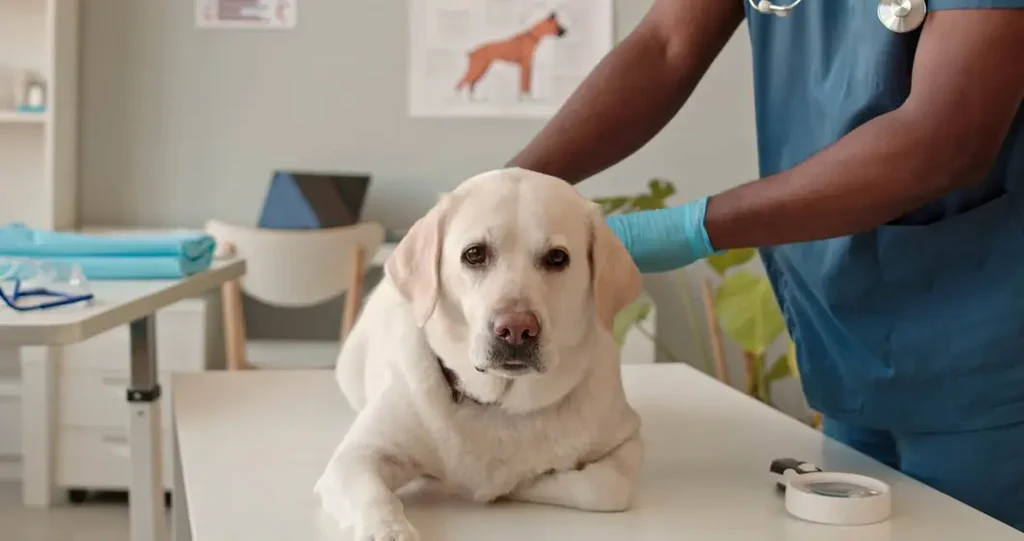
Degenerative myelopathy signs in dogs can mimic those of arthritis and hip disorders. So, veterinary investigation is of fundamental importance in the accurate diagnosis of degenerative myelopathy in dogs.
Comprehending Degenerative Myelopathy in Dogs Stages
Degenerative myelopathies in dogs present with different stages of degeneration, ranging from mild to more serious degenerative mobility challenges. During the preliminary stages of the illness, pet dogs experience minor symptoms of weakness and poor coordination. During the intermediate stages, dogs experience poor mobility to the extent that they need assistance to walk.
In advanced stages of degenerative myelopathy in dogs, paralysis of the hind limbs is a common experience. At times, the degenerative myelopathy may also affect the front limbs. Understanding these stages is vital for making advanced preparations.
Degenerative Myelopathy in Dogs Treatment
Currently, there is no cure to stop the process of degenerative myelopathy in dogs completely. But the progression of degenerative myelopathy in dogs can be slowed. In some cases, some pet parents go for pet surgery for their dogs with degenerative myelopathy when recommended by their dog’s vet.
Animal physical therapy plays an important role in degenerative myelopathy in dogs. Exercise, hydrotherapy, and muscle tone training can go a long way in maintaining muscle tone and movement in dogs as long as possible. Most veterinarians recommend regular physical therapy sessions for managing degenerative myelopathy in dogs.
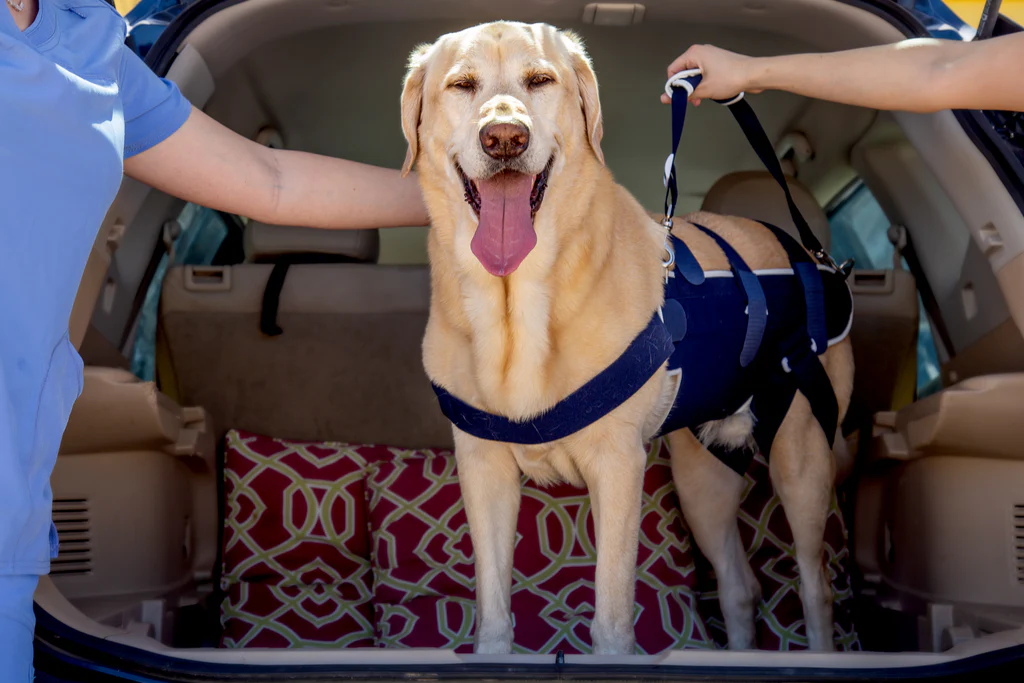
Assistive devices can also have a big impact. Dog harnesses, slings, and dog wheelchairs allow dogs living with degenerative myelopathy to stay actively engaged. Moreover, these devices not only allow the dogs to move around but also protect them from injury due to falls. Equally important is nutritional care and proper weight management. Excessive weight can put strain on already weakened limbs. Proper pet nutrition and diet are important for a dog with degenerative myelopathy.
Supporting Quality of Life
Dogs can live with canine degenerative myelopathy with optimal support. Additional mental stimulation and light play are important. Dogs with canine degenerative myelopathy like to be with their owner.
Additionally, pet parents are taking their pets suffering from myelopathy to pet boarding facilities where they are taken care of properly in the long term. Checks can be made on the progression of canine degenerative myelopathy by regular check-ups with a veterinarian. Pain is not usually part of the defining features associated with canine degenerative myelopathy.
Conclusion
Degenerative myopathy cannot be cured completely. But it managed in the early stages of the disease. Pet parents are given information to help them care for their dogs. With care and guidance from understanding and knowledgeable professionals like those at the Park Hills Animal Hospital, managing degenerative myelopathy in canines is a more organized process. While degenerative myelopathy is a progressive disease, having the right care plan in place can help canines continue to thrive and enjoy the company of those around them.
FAQs
Explain the condition degenerative myelopathy in Dogs?
Degenerative myelopathy in dogs is a progressive disease that affects the spinal cord of a dog, causing weakness and a lack of coordination, mostly in the hind legs. Old age dogs and certain breeds are affected due to this disease.
What are the symptoms that a dog with degenerative myelopathy shows?
Early signs of degenerative myelopathy in dogs frequently involve hind leg weakness, problems in standing up, dragging of back paws, and some incoordination. Such signs in dogs are generally anticipated to be painless and will take some time to manifest.
Degenerative myelopathy is common in which dogs?
Pembroke Welsh Corgis and German Shepherds may develop this disease. Boxers and Chesapeake Bay Retrievers may also develop degenerative myelopathy in later stages of life. However, the disease may occur among mixed breeds as well.
What is the longevity of a dog with degenerative myelopathy in dogs?
The progression of degenerative myelopathy varies between dogs. A dog with degenerative myelopathy can live between six months and three years, based on its health factors and other factors such as the stage of disease diagnosis and the level of support and care provided to it.
What is the diagnosis of degenerative myelopathy in canine patients?
Veterinarians usually diagnose degenerative myelopathy in animals through a combination of a physical exam, neurological tests, and genetic tests. Ruling out other conditions, such as spinal injuries and arthritis are important.
Is degenerative myelopathy painful for dogs?
Degenerative myelopathy in dogs is not believed to be painful, but secondary complications like pressure sores and joint pain will cause discomfort if not well handled.