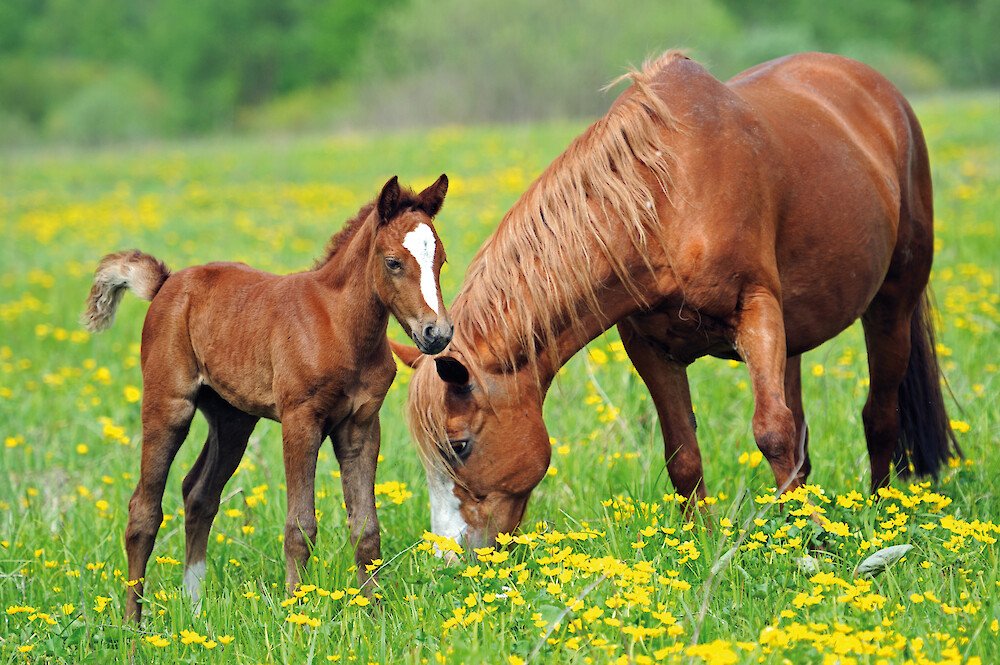
Stallions are strong and impressive horses, which are known to be powerful, most agile and dominant. Knowledge of stallions’ food is essential to keep them healthy in the wild or when they are confined. Their general health, life span, and performance are very crucial to proper nutrition. Stallions eat in the wild feed on natural grasses and plants whereas captive stallions are usually provided with a controlled, balanced diet depending on their needs. In this paper, the various feeding behaviors of the stallions will be discussed including their wild diet as compared to the nutritional needs in captivity with a focus on essential dietary needs.
Natural Diet of Stallions in the Wild
Wild stallions are mostly fed by grazing and foraging. They feed predominantly on grasses, herbs, shrubs and plants in their natural habitat e.g., on the prairies, grasslands, and open woodlands. A major part of their diet consists of common types of wild grasses such as ryegrass, fescue, and bluegrass, as well as shrubs and herbs such as clover and alfalfa. These plants are also a source of important fiber and nutrients required to survive. Pet nutrition helps you in many ways to keep your pets healthy.
Nutrient Requirements in the Wild
The wild stallions source the nutrients that are necessary for them through the different plant foods. Grasses are also important sources of carbohydrates and fiber which are essential to the digestive system. Vitamins and minerals, including vitamin A, calcium, and magnesium, are also provided by plants. Such nutrients are required to keep the bones, muscles, and health strong. Moreover, wild stallions use the natural water sources to remain hydrated that helps in digestion and absorption of nutrients.
How Wild Stallions Select Their Food
Stallions are also choosy foragers and they depend on the environment and food sources to shape their feeding patterns. They change their food intake in accordance with the season and the availability of food. The wild stallions will frequently be found wandering through grazing lands in search of quality forage. This act will guarantee them a balanced diet that keeps them fit in terms of energy and general well-being in the wild, which will make them stronger and healthier.
Dietary Changes of Stallions in Captivity
Captive stallions do not eat like their wild counterparts. Stallions are usually given a more regulated and supplemented diet in captive situations in order to suit their particular nutritional requirements. Captive stallions receive a lot of hay, grain, fruits and vegetables as well as specially prepared feeds as opposed to the wild ones which are fed on grazing. These foods are planned to make sure that you get a balanced consumption of the required nutrients, such as fiber, protein, vitamins, and minerals. Dietary changes can affect your pet’s health during pet boarding.
Importance of a Balanced Diet for Captive Stallions
A proper diet is very important to a cap stallion because it tries to mimic the food that they would have eaten in the wild. Nevertheless, their diet should be supplemented with a certain number of nutrients to prevent their deficit since they no longer forage freely. Stallions that are captives are frequently fed on hay and grain to supply the required fiber as well as energy. One should also make sure that the proper proportion of protein and fat is maintained to prevent imminent health problems. Lack of a balanced diet can cause captive stallions to experience food, stomach, and health problems.
What to Feed Stallions for Optimal Health
To achieve the best health, the captive stallions must be fed with a mixture of quality hay (alfalfa or timothy), grains (oats or barley), and fresh vegetables and fruits to provide supplementary vitamins and minerals. The specifically prepared equine feeds can also contribute to the provision of the necessary nutrients such as amino acids and omega fatty acids that are particularly crucial in the development of the muscles and their coats. Hydration and clean water are required to keep the digestive system and general vitality going.
Key Differences Between Wild and Captive Stallion Diets
The wild stallion diet is based on natural grazing where they graze on grasses, shrubs and plants, and as such harvest different food sources, which are seasonal, to satisfy their nutritional requirements. In comparison, captive stallions are provided with a controlled, frequently supplemented diet consisting of hay, grain, and specially designed feeds to guarantee a constant nutrient consumption. Captivity inhibits their movement and access to natural foraging that can influence their eating habits and health in general. Where wild stallions can change their diet according to the resources available to them, captive stallions depend on food provided by human beings, and therefore, their nutritional requirements and health result in disparities in their nutritional requirements and health consequences.
Conclusion
Knowledge of the dietary requirements of the stallions in the wilderness and in captivity is important in ensuring that they live healthy lifestyles. Wild stallions prefer the natural diet of grasses and plants, whereas captive stallions need a well-balanced diet including hay, grain, and specially designed amounts of feed to duplicate their nutrients in the wild. Health complications such as obesity and digestive conditions can be prevented only by proper nutrition. With the understanding of these dietary requirements, owners of horses will be able to maintain the strength, health and performance of their stallions in the wild or in the stables. Park Hills Animal Hospital helps you guide many tips to keep your pet healthy.
FAQs
What do wild stallions eat in their natural habitat?
The grasses, plants and shrubs that are within the environment of the wild stallions are the main graze of these animals; these include the fescue, clover, and the ryegrass. They also go foraging for herbs and other vegetation depending on what is available seasonally.
How is the diet of captive stallions different from wild stallions?
To make sure that captive stallions get all the required nutrients, they are normally fed on hay, grain, fruits, vegetables and specially designed feeds. In comparison of wild stallions, they do not roam freely to graze but once humans feeds them.
What health problems can occur if a captive stallion’s diet is unbalanced?
Excessive diet may cause some health complications including obesity, digestive disorders, and a deficiency in nutrients and this may adversely impact the general health and performance of the stallion.
How do captive stallions get the nutrients they would naturally find in the wild?
The diets of captive stallions are enriched with nutrients such as fiber, protein, vitamins and minerals to imitate the natural foods that they would feed on in the wild hence they are healthy and robust.
What is the best diet for a captive stallion to maintain optimal health?
Captive stallion diet needs to be balanced with good quality hay (alfalfa or timothy), grains, fresh vegetables, and fruits; it should be supplemented by specially developed equine feeds containing additional nutrients, like amino acids and omega fatty acids.