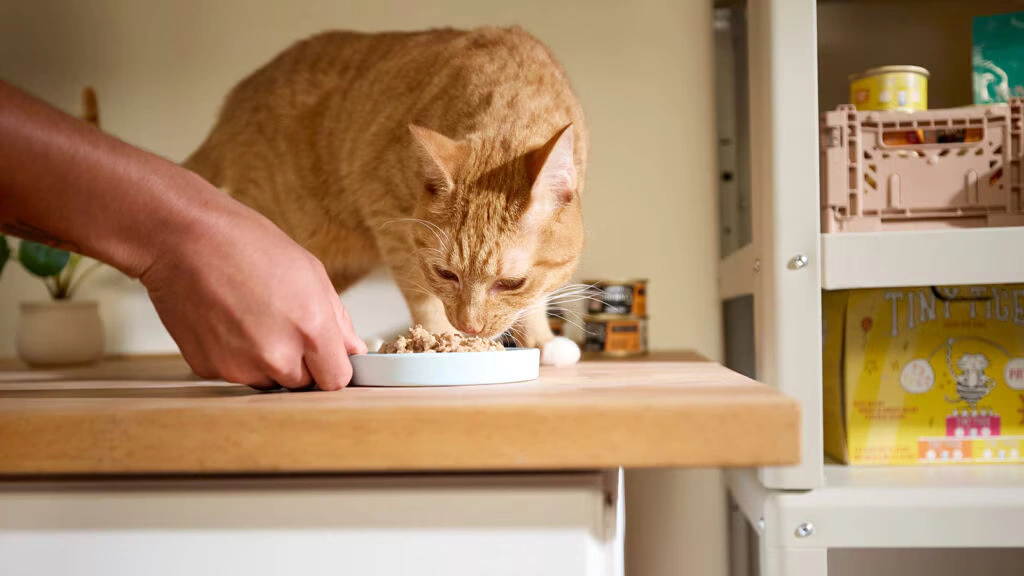
Due to enhanced awareness, cat owners have started making cat food at home. They do so to provide their cats with high-quality food. Some pet parents may think the commercial pet food available is not safe for their beloved pets due to added artificial flavorings and preservatives. So, they try to make homemade cat food. The reason, whatever it may be, making cat food at home is overall good for the feline’s health.
Why Proper Nutrition Matters for Cats
Cats are considered obligate carnivores. It means cats are animals that require animal protein in their diet to maintain a healthy body. These proteins are the main source of energy for them. Some ingredients, such as taurine, general protein, and healthy sources of fats, are good for cats.
A balanced diet contributes to having a better immune system function. It improves digestive function and promotes greater overall vitality. You can feed your cat with poultry, fish, and lean meat to help maintain your cat’s muscle mass. The fats found in these foods provide them with the necessary energy. These nutritional factors improve the skin and coat condition of your cat. Taurine is an amino acid found only in animal tissues, which helps cats with both proper heart function and vision. It is important to provide proper pet nutrition to your cat when making cat food at home, in order to meet all the nutritional and dietary requirements of your cat.
Choosing Affordable and Safe Ingredients for Homemade Cat Food
Choosing necessary ingredients is essential to provide your cats with both a healthy and affordable diet. Simple protein sources like chicken, turkey, and fish make excellent main protein sources for homemade cat food because they are generally available and can often be purchased in larger quantities for a lower expense.
Ingredients Good for Making Cat Food at Home
Lean meats like turkey and chicken are great choices for making cat food at home. Fish is another viable option, but it should be used in limited amount. Salmon and tuna are beneficial for cats as they provide the necessary fats for the cat’s health. You can feed your cat some cooked vegetables such as carrots or pumpkin, which will help improve their digestion. However, the cat’s diet should consist mainly of protein, with only a small quantity of vegetables.
Rice or oats can also be included in small quantities in your cat’s food. They provide added bulk to the diet and energy to the food. Pet owners should only use those ingredients that are safe for their cat to eat. Onions, garlic, chocolate, and excessive salt are all dangerous to cats and should never be included in making cat food at home
Storing and Serving Homemade Cat Food Safely
Homemade food for pets should always be stored properly before it is served to them. After making cat food at home, you should store it in a tightly sealed container and put it in the refrigerator or freezer. The average homemade cat food can be kept in the refrigerator for approximately 3 days. It can also be stored in the freezer.
Tips for Safe Feeding and Storage
You should allow your cat’s food to cool completely before you feed it to them. You should only preheat the food to make it at room temperature, do not serve hot food to your cats. When you are making cat food at home in bulk quantities, always make the portions of it according to your cat’s appetite. It will be easy to store. If you are planning to add new food items to your cat’s diet, try to add them gradually. It will help them to adapt to new tastes. Pet owners should also note their cat’s behaviour and appetite control whenever they introduce new food items to them.
Final Thoughts
Making cat food at home is an easy and effective method to promote your pet’s health. It helps ensure that the pet parents are feeding their cats healthy food, free from preservatives and added flavours. It promotes a healthy pet-owner relationship. A good diet with healthcare support enhances lifespan of your cat. You can visit Park Hills Animal Hospital for a health check-up of your cat. Professionals over here will not only provide you with the veterinary care, but also with the nutritional and diet guidance required by your cat.
Frequently Asked Questions (FAQs) About Making Cat Food at Home
Is homemade cat food safe for cats?
Yes, cats can eat homemade food if it is made with the proper ingredients and has balanced nutrition. Cats are obligate carnivores, and require a diet that is high in animal protein, as well as containing all daily required nutrients. You must follow a proper recipe and consult your veterinarian for assistance.
How can I introduce homemade food to my cat?
You can introduce new food options in your cat’s daily diet by adding small amounts of new food to the previous or old diet. It will help them taste new flavors and adjust to them. It will also help to prevent them from having any digestive disturbances and allow for a smooth transition.
What ingredients should be included in homemade cat food?
The primary ingredients that should be included in making cat food at home include a good source of protein. Animal sources such as chicken or turkey are good for these recipes. You can also add fish to their food, but only occasionally. Some vegetables and grains can be added, however, protein should be the main ingredient in any homemade cat food recipe.
Do cats need supplements when eating homemade food?
The need for supplements depends on the recipe you are making for your cat. Some homemade recipes may require additional nutrients to be added to maintain a balanced diet, but some may not. Some diets may need taurine and vitamin supplements to be added to them to complete the nutritional requirements. Before adding any of these items to the diet of your cat, you need to speak with your veterinarian
How do I know if my cat is responding well to homemade food?
You can note the signs that your cat is thriving on their homemade diet. These signs include your cat having a beautiful coat compared to before and having plenty of energy.