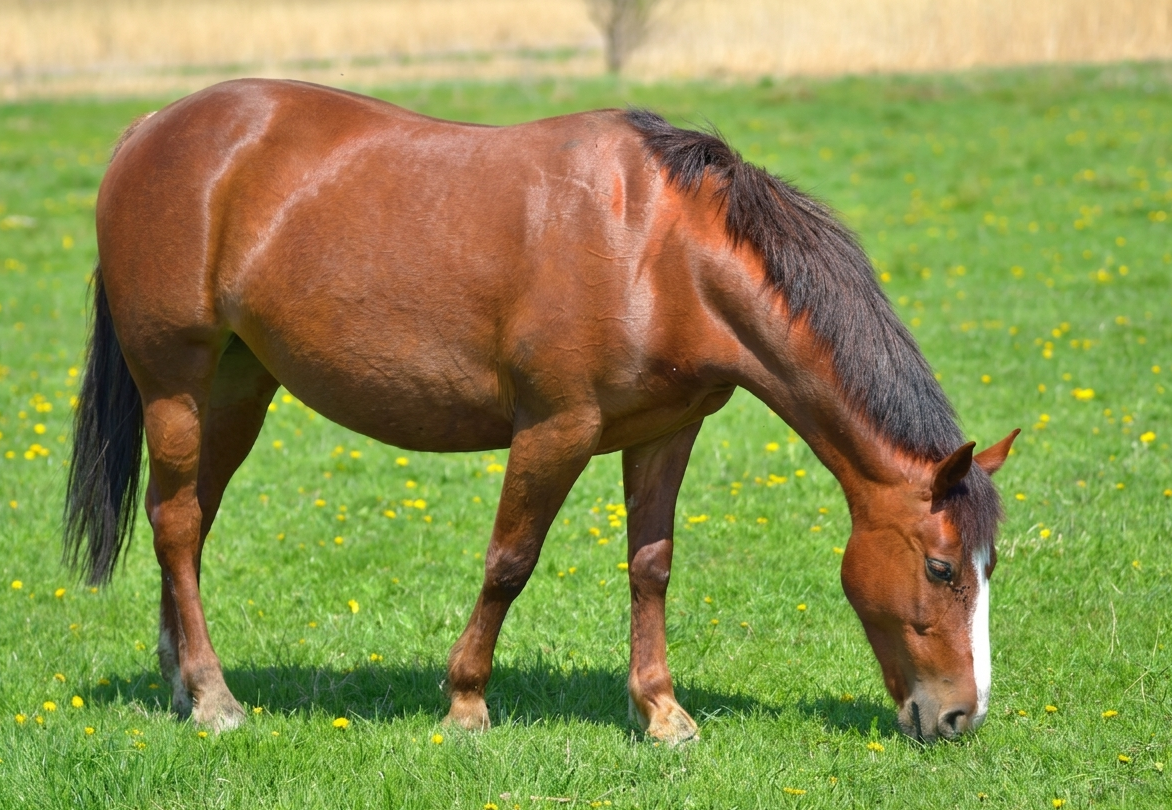
Horse owners always wish that their animals remain healthy and active. Some health issues emerge as horses age. Cushing’s disease in horses is a common condition. The disease affects hormonal balance and produces a number of health changes. Early diagnosis help to control this condition. By diagnosing the causes, symptoms and treatment, horse owners can help their horse feel well and stay healthy. This article will cover Cushing’s disease in horses, causes, symptoms and treatment options in 2026.
What Is Cushing’s Disease in Horses
Cushing’s disease in horses is a non-malignant hormonal disorder that occurs in older horses. It occurs when the pituitary gland secretes excessive amounts of hormones. This disproportion impacts metabolism, coat development and overall health. This disease progresses slowly in the horses. Horses can live comfortably when well taken care of.
How the Disease Develops
The pituitary gland regulates hormonal production in the body. This gland becomes overactive in Cushing’s disease. It also secretes too much hormone that influences most body systems. Horses begin to develop physical and behavioral changes. These changes appear slowly. Early intervention help to prevent severe veterinary problems in horses.
Horses Most at Risk
Older horses are at high risk of Cushing’s disease. Many horses get this condition after the age of fifteen. Some breeds are also at higher risk such as Morgan horses and Quarter horses. Regular veterinary examinations help in the early diagnosis of this condition. Balanced pet nutrition is also beneficial for overall health and help to minimize health complications.
Causes of Cushing’s Disease in Horses
Certain biological changes can cause Cushing’s disease in horses. The disease occurs mainly as a result of changes in the pituitary gland and hormonal imbalance.
Pituitary Gland Changes
In horses, the pituitary gland plays a significant role in Cushing’s disease. Tumors in glands can cause excessive hormone production. Enlargement of glands is also another reason. Hormonal imbalance influences the body and metabolism. Pet owners notice when horses eventually become physically manifested.
Hormonal Imbalance and Aging
Aging is the most prevalent case of Cushing’s disease in horses. Hormonal control is weaker as horses age. This alters hormone release and pituitary gland function. Proper pet grooming also helps owners notice early changes in the coat and other symptoms.
Common Symptoms Horse Owners Notice
Many pet owners notice physical changes associated with Cushing’s disease. These symptoms are gradually acquired. You should be aware of these symptoms to prevent serious health conditions in your thriving horse.
Physical Symptoms
The most usual indication of Cushing’s disease in horses is a curly coat. Horses can also lose muscle mass and weight. Some horses overheat their body. Hoof challenges can also manifest. Routine Pet dental care help to maintain good health when problems disrupt horses’ eating.
Behavior Change and Health Change
Horses with Cushing’s disease may drink excessive amounts of water and experience frequent urination. Some horses experience fatigue and frailty after short running. Others acquire frequent infections. Professional pet boarding services and good hygiene in a stable environment help prevent health risks and maintain cleanliness.
Diagnosis of Cushing’s Disease in Horses
Veterinarians use physical examination and medical tests to diagnose Cushing’s disease in horses. The first step is a vet examining symptoms associated with Cushing’s disease in horses. They check coat condition, weight and overall health. Early veterinary care help to prevent serious health problems. Pet surgery is essential in serious conditions of Cushing’s disease.
Blood Testing
Blood tests are used to confirm Cushing’s disease in horses. These tests help to determine hormonal levels in affected horses. High hormone levels usually substantiate this condition. Early diagnosis help to initiate treatment sooner and improves their quality of life.
Therapy of Cushing’s Disease in Horses
Proper treatment and comfort help to control Cushing’s disease in horses. Veterinarians help to regulate the hormones with medication. These drugs help to control the pituitary gland. Long-term treatment is typical. Frequent examinations help to ensure that the medication is functioning correctly and that it is holding the horse in its stable condition.
Diet and Daily Management
Daily care is significant for the management of Cushing’s disease in horses. Horses require a balanced diet and frequent exercise. Horse owners should observe the body condition and coat health. Healthy eating and sanitation help to keep the body healthy and prevent additional complications.
Conclusion
Cushing’s disease is common in many older horses. Early treatment help to manage this condition. Pet owners should observe coat changes, weight loss and strange behavior. Licensed vets help to treat and manage this condition efficiently. Horses can live comfortably with proper medication, nutrition and daily care. Regularly monitor its health condition to avoid serious health problems. Park Hills Animal Hospital is the place to visit for professional assistance and expert veterinary care in the United States.
FAQs (Frequently Asked Questions) Cushing’s Disease in Horses
Why does Cushing’s disease occur in horses?
The disease is normally caused by changes in the pituitary gland and hormonal imbalance of aging horses.
What are the clinical manifestations of Cushing’s disease in horses?
An extended coat, increased water consumption and frequent weight loss are common symptoms of Cushing’s disease in horses.
Is there a cure for Cushing’s disease in horses?
No, this disease is incurable but treatment is useful for managing symptoms. Early diagnosis help to save a horse’s life.