
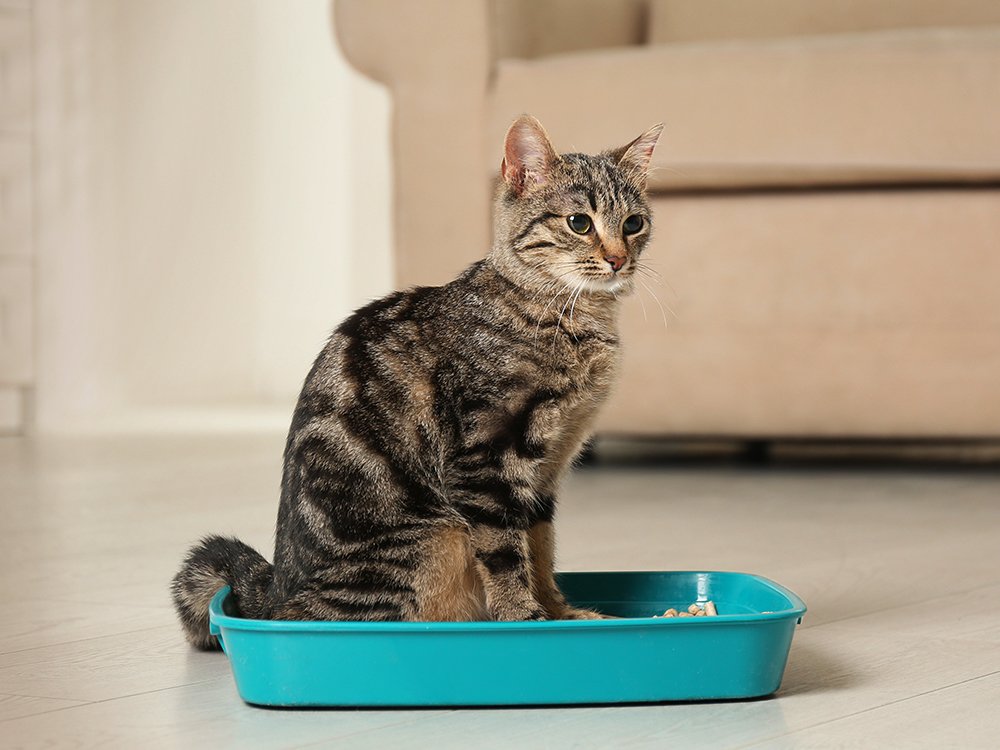
Being a cat parent brings on responsibilities, too. One of the first and most important lessons that your new cat must learn is how to use the cat litterbox correctly. Most cats already have instincts to bury their animal waste, so cat litterbox training is often much simpler than many pet owners think. With a little patience and consistency, you will be able to lead your new cat to have reliable litterbox habits.
You must understand how your cat thinks and acts for better cat litterbox training. You should know that proper pet nutrition assists with healthy digestion, resulting in predictable litterbox habits for your cat, which will ultimately make the whole process of cat litterbox training much easier.
Understanding Your Cat’s Natural Instincts
Cats have an instinctual drive to maintain cleanliness and eliminate waste in a private area with a soft surface so they can bury their waste afterwards. This instinct to conceal their waste and its scent is a result of their instinctive behaviors for survival and to be hidden from potential predators while in the wild.
A cat refuses to use the litterbox, it is due to the external factors affecting their willingness or ability to use this facility. Some external factors that may affect your cat’s willingness to use the cat litter box are the location of the litter box, the type of litter used in the box, other stressors in the house that your cat is dealing with, etc.
Why Early Training Matters
Cat litterbox training makes a routine that will eventually become second nature for your kitten. Early training is important so the kitten becomes habituated to it. Kittens typically learns new behavior quite quickly because they are always watching and copying the behaviors of cats around them. Adult cats take a little more time and patience for litterbox training. They require more consistent training. Many pet boarding facilities train their cats to use a cat litterbox early to make it their natural instinctive behavior. It helps reduce confusion and stress in the cats in the long term.
Setting Up the Ideal Cat Litterbox Environment
Placing your cat’s litterbox in an appropriate place in your home is necessary. You should choose a place where your cat feels safe and comfortable. You should not place a cat litterbox in the front hallway of your home. Also, do not place the cat litter boxes near a washing machine. These noisy places will distract your cat, and it is uncomfortable.
The size and shape of the cat litterbox matter. It should allow your cat enough room to move freely. Most cats prefer litterboxes that are not too big. Many cats do not like using rough-textured litter or litter with strong scents, so use a type of litter that feels soft and has little dust.
A clean cat litterbox is very important because if a litterbox is dirty, your cat may not use it. Regularly grooming your cat also helps keep them comfortable and helps them practice good hygiene habits.
Choosing the Right Litter and Placement
When it comes to litter, not all cats like the same thing, so you should try different types of litter to see how your cat reacts. Some cats prefer clumping, while others prefer natural or unscented litter. Therefore, you should choose a litter type that allows for digging and covering up their waste. For cat litter placement, you should be thoughtful about the location you provide your cats with their litter box.
Cat Litterbox Training Techniques That Encourage Good Habits
Setting up the cat litterbox place can help your cats learn where to go and how to use the litterbox. A cat usually uses the litter box when they have just eaten, just woken up, or they have just finished playing hard. It is important to gently put them into the litter box at these times to create an association between the cat litter box and the appropriate use of it.
Once your cat is done using the litterbox effectively, you can provide them with cat treats. It will help them to be consistent with their routine. This will help build a positive association over the period of time and strengthen the habit.
Handling Accidents Calmly
Accidents can happen during the cat litterbox training. It is common to occur in kittens and newly adopted cats. The cat owner should be calm and not scold their cats for the accidents. It is natural during the learning process. The cat owners should clean the area thoroughly to avoid the lingering odor that can encourage the cat to return to that same spot.
If your cat continues having accidents despite your litter training program, you can get a veterinarian’s help. He/she will help figure out the cause or the reason for this cat’s behaviour. They will recommend appropriate treatment options, such as any antibiotic therapy, surgery, or an additional type of treatment that may be necessary for your cat.
Conclusion
To successfully train your feline friend to use the litter box, you must be patient and observe their behaviors. Providing a comfortable cat litterbox will help aid their successful training. A litter box-trained cat not only helps keep your home clean, but also gives you a less stressful and more comfortable routine.
You can get your feline to Park Hills Animal Hospital if they face any litter training issues or associated concerns. Our expert vets will help guide you regarding the cat litterbox training after assessing your feline’s nature.
Frequently Asked Questions (FAQs) About Cat Litterbox
How long does it take to train a cat to use a litterbox?
Kittens typically learn litterbox training sooner than adult cats. Covering their own litter is one of their natural instinctive behaviors. Generally, the kittens are trained to use the cat litter box effectively after a training of a couple of days to a week.
Why is my cat not using the litterbox even after training?
If your cat avoids using its litter box, the reason can be the choice of litter, the cat litterbox in the pick-up spot, or sometimes stress. Your cats can also avoid using the litterbox due to some health issues.
How often should a litterbox be cleaned?
To maintain a tidy place for your cat, you should scoop out any waste or debris from the litterbox daily, and regularly change out all of the litter completely. It will be better for your cat’s hygiene and overall health.
Which type of litter is best for litterbox training of your cats?
The majority of cats are comfortable with a soft, unscented clumping type of litter because it feels similar to natural soil, and they can dig and conceal their waste easily.
Should I have more than one litterbox at home?
Yes, as a general guideline by vets, it is recommended that you have one litterbox for every cat, and an additional one in multi-cat homes.