The anterior cruciate ligament is present in the knee of a dog. It helps stabilize the knee joint and helps the dogs move freely. When a ruptured anterior cruciate ligament in dogs is present, it makes it difficult for the dog to move from one place to another. It makes it hard for a dog to sit, stand, or lie down. Understanding the causes and how to manage a ruptured anterior cruciate ligament in dogs will help the dog parents to ensure a quality of life for their dog.
A ruptured anterior cruciate ligament in dogs can occur in any of the dog breeds, but the ones being over weight or those that are involved in high physical activities are more prone to developing this rupture.
What Causes ACL Injury in Dogs
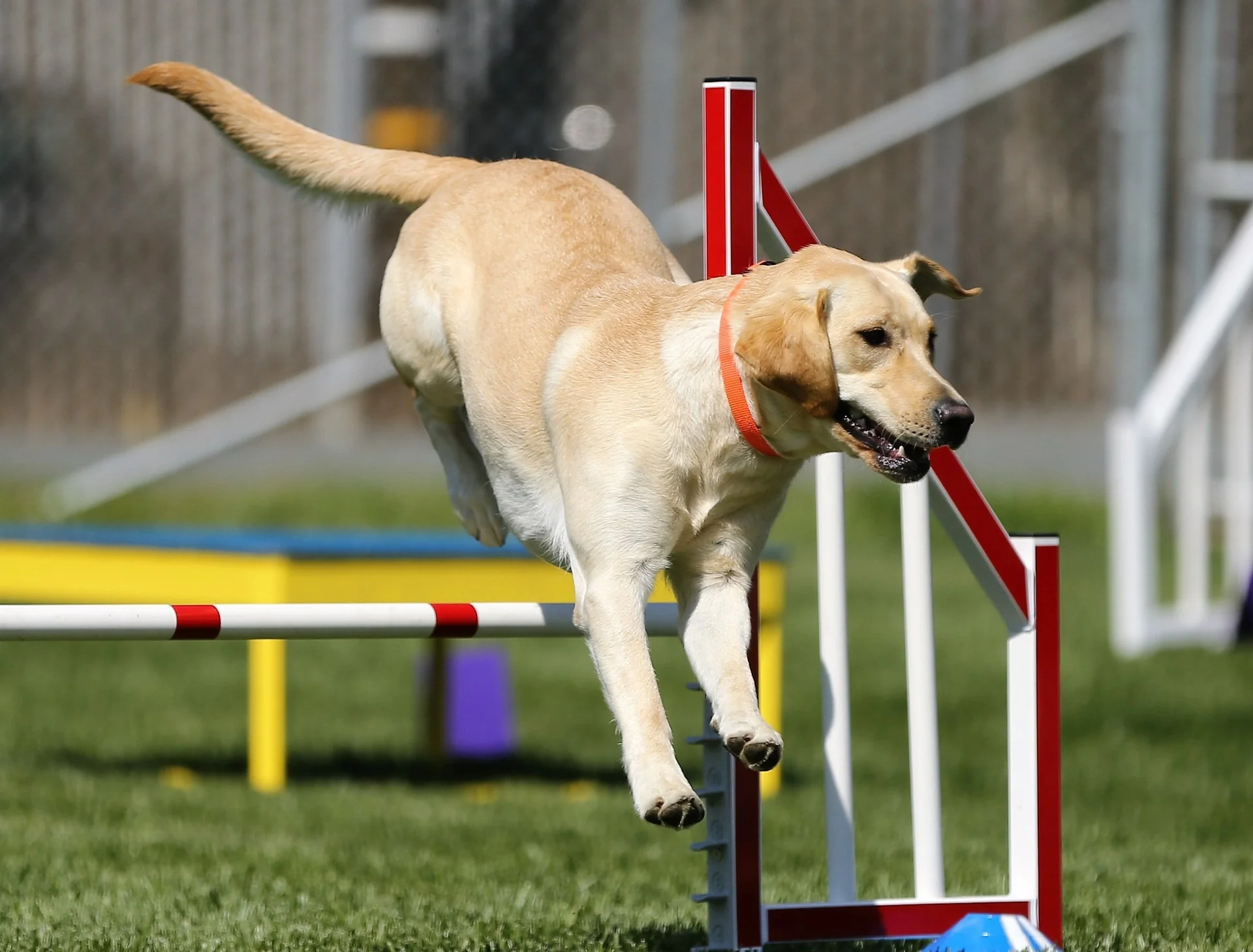
The anterior cruciate ligament can be injured due to a sudden impact when the dog jumps or twists while playing. However, there are also many instances in which the ligament slowly degenerates over time due to increasing age, obesity, poor physical conditioning, and genetic predisposition.
Dogs that are less active or do not receive sufficient exercise, such as those in pet boarding facilities or confined to a pet crate (box), are likely to suffer from a ruptured anterior cruciate ligament. The dogs that are unable to participate in physical activity due to an injury are also likely to have weakened muscles surrounding their joints. Therefore, as the dog’s ligament deteriorates over time, even a minor movement could cause a complete rupture. This causes concern for dog owners since this injury can be classified as both an acute and chronic injury.
Recognizing the Signs and Symptoms
The key to successfully treating a ruptured anterior cruciate ligament in a dog is recognizing its signs and symptoms as soon as possible. A dog will generally begin limping or becoming unable to bear weight on their injured leg. They may also hold their leg up while walking, or they may not use the injured leg at all.
Inflammation of the Knee Joint
When you feel around the knee joint, you will likely find that the area is swollen and causes your pet to show signs of discomfort when touched. Over time, as your dog continues to restrict their movements or lowers the levels of activity, they may develop stiffness in their leg when resting, and may have difficulty rising from a sitting or lying-down position. Dogs also face difficulty in climbing stairs when they encounter an ACL injury.
Muscle Atrophy
When a ruptured anterior cruciate ligament in dogs is left untreated for a longer period of time, it leads to muscle atrophy or muscle wasting. The reason is the lack of use of the affected leg. In such cases, regular vet visits and grooming appointments help identify potential signs of discomfort and swelling around the joints early on.
Diagnostic Approach and Veterinary Evaluation
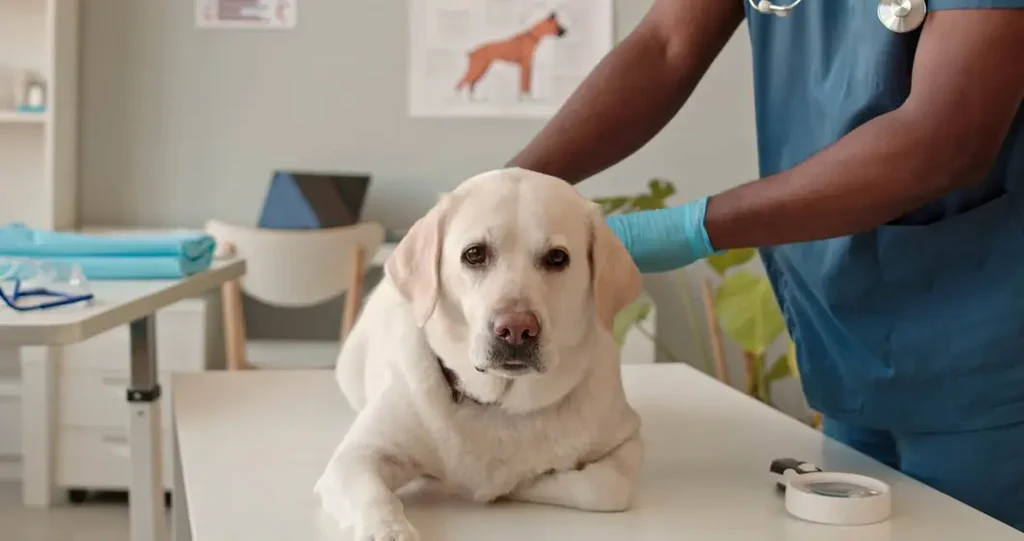
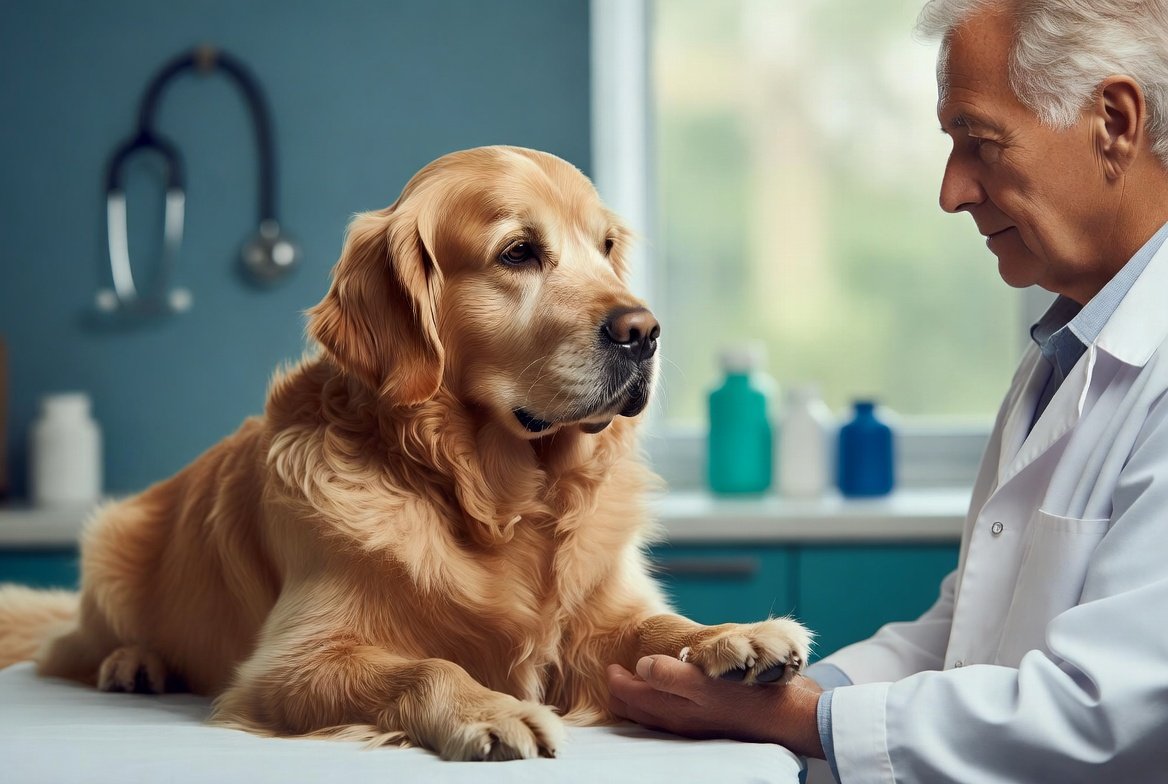
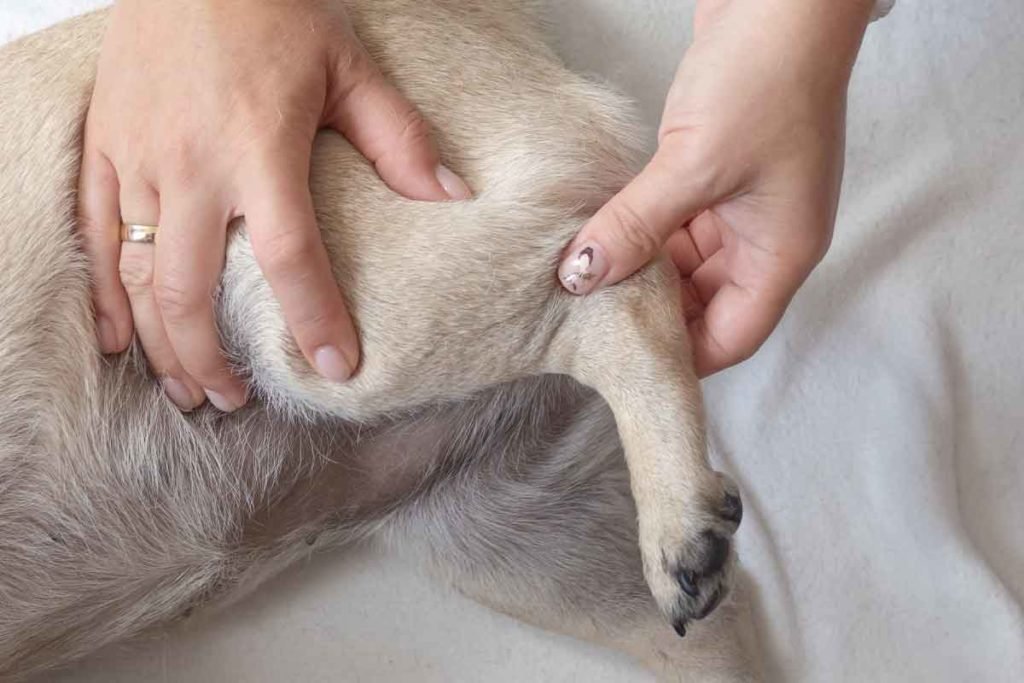
Veterinarians usually do a physical examination to check for joint instability and pain. They may perform some special ligament tests and imaging, e.g., x-ray or MRI scans, to determine if there is some joint damage. These scans help the vet to determine whether there are any underlying conditions causing such symptoms.
Vets can recommend surgery to treat a ruptured anterior cruciate ligament in a dog. They can also prefer some other treatment protocols depending on the age, size, and level of activity of your dog.
Treatment Options for Recovery and Mobility
Vets consider different factors while treating a ruptured anterior cruciate ligament in a dog. They note how badly the ligament was torn and whether your dog’s health is stable or not to undergo a medical treatment.
Conservative Management
Mild ruptures may be treated conservatively. It means the veterinarian recommends conservative care, which includes rest, weight control, anti-inflammatory medications, and controlled physical therapy.
Surgical Management
Surgery is often the best solution for dogs of all sizes who have ruptured their anterior cruciate ligament. Surgery will help create a stable knee joint and allow your dog to move normally again.
Physical Rehabilitation
Physical rehabilitation is essential to support the recovery process once the surgery is done. The dog’s parents or caregivers must provide the dog with proper dog nutrition to heal fast during the recovery process. Finally, a gradual increase in exercise and strength-building activities over time will help provide your dog with long-lasting support and comfort.
Supporting Long-Term Health and Prevention
One of the important measures in long-term support and care after the treatment of a ruptured anterior cruciate ligament in dogs is to manage their weight. It helps reduce the stress on the joints and ensures a healthy healing.
When you make your dog exercise regularly along with medical interventions, it helps support the recovery by building and strengthening the body muscles. You should note the signs of discomfort and changes in your dog’s walking pattern to early diagnose the problem. It will help you and the vet to understand better the dog’s condition, contributing to effective, timely management.
Conclusion
A ruptured anterior cruciate ligament in a dog can be a point of concern as it interferes with the normal gait pattern of your dog. It impacts the dog’s joints and makes it difficult for them to move easily. Vets treat ruptured anterior cruciate ligament in a dog depending on the presentation and severity of symptoms. You can visit Park Hills Animal Hospital and get your dog checked by our experts. They will help you figure out the problems with your dog’s gait, and if there is a ruptured anterior cruciate ligament in the dog, they will help treat it.
Frequently Asked Questions (FAQs) About Ruptured Anterior Cruciate Ligament In a Dog
What is a ruptured anterior cruciate ligament in dogs?
The anterior cruciate ligament is present in the knee joint, and it helps stabilize the knee while moving around. When this ligament gets ruptured or torn, it makes it difficult for the dog to move around and also reduces its mobility. It is termed a ruptured anterior cruciate ligament in a dog.
What are the most common symptoms of this condition?
You can see the signs and symptoms such as limping gait, swollen knee joint, and stiffness in the legs, especially around the knee. You can also see your dog shifting all of its weight to one leg ( usually the unaffected one) to avoid pain.
What causes this ligament to rupture?
There are different causes of a ruptured anterior cruciate ligament in a dog. These may include a sudden injury or excessive strain on the dog’s knee joint. ACL injury in dogs can also occur as a result of gradual degeneration. It may be due to age-related changes, increasing age, obesity, genetics, or malnutrition, sometimes.
Is surgery always necessary for treatment?
No, surgery is always the only option to treat a ruptured anterior cruciate ligament in a dog. A vet can thoroughly examine your dog and then recommend appropriate treatment for it. He/she may recommend medication therapy, conservative therapy, or rehabilitation protocol depending on your dog’s condition.
Can this injury be prevented?
Typically, it is not always preventable, but a healthy lifestyle helps reduce the risk of ACL injury in dogs. Maintaining a healthy weight and reducing the stress on the joints can help reduce the chances of injury occurring.