The pet-owner relationship is often filled with love, friendship, and loyalty. Having a dog as a pet is a great, heartfelt experience. But it is very painful for a dog parent to see their dog experience the end of its life. By learning to identify the common signs a dog is dying, you can help provide comfort and support while giving your pet a comfortable passing. Understanding these signs will help alleviate some of the emotional stress associated with the death of your dog and help you feel much more at peace as it passes away. The common signs a dog is dying are discussed below in detail:
Changes in Physical Appearance
As dogs enter their last days of life, you may notice some changes in the overall physical condition of your dog. Some of these changes can happen all at once, while others will be gradual in nature and will let you know that your dog’s body is slowing down. Dog parents should notice these signs in their dogs to help support them through this phase of their lives.
Weight Loss and Muscle Weakness
One of the signs a dog is dying is that it will experience a significant weight loss. You may notice that your dog’s muscles will start to deteriorate. A dog may refuse to eat, which leads to lean body mass, even if it is fed regularly.
You must maintain proper pet nutrition requirements for your dog during this time. It will help maintain strength and comfort for the dog. Your dog will begin to seem to have less strength in their muscles and move more slowly and awkwardly than before. These physical changes in your dog are often signs that a dog is dying, and its internal organs are no longer operating as efficiently as they once were.
Poor Coat and Skin Condition
Poor coat health shows the dog is suffering from a health condition that may or may not be fatal and requires thorough examination. You may notice that your dog’s coat is dull, or they may have thinning fur, dry or flaky skin. Changes in coat and fur appearance can be possible signs a dog is dying.
Regular grooming can be helpful for your dog to feel more comfortable at the end stage of its life, as it helps reduce stress. These types of changes also indicate that the dog’s body is becoming less able to carry on normal body functions. At this stage, a lot of gentle care and attention needs to be given to them.
Altered Behavior and Mood
Behavioural changes are one of the commonest signs a dog is dying. They may show signs of refusal or withdrawal from daily life activities, such as spending less time with pet owners or engaging in less play. These are the most apparent signs. They can show some subtle signs, such as panting or whining, or more obvious signs, such as just lying down idly.
Decreased Activity and Increased Sleep
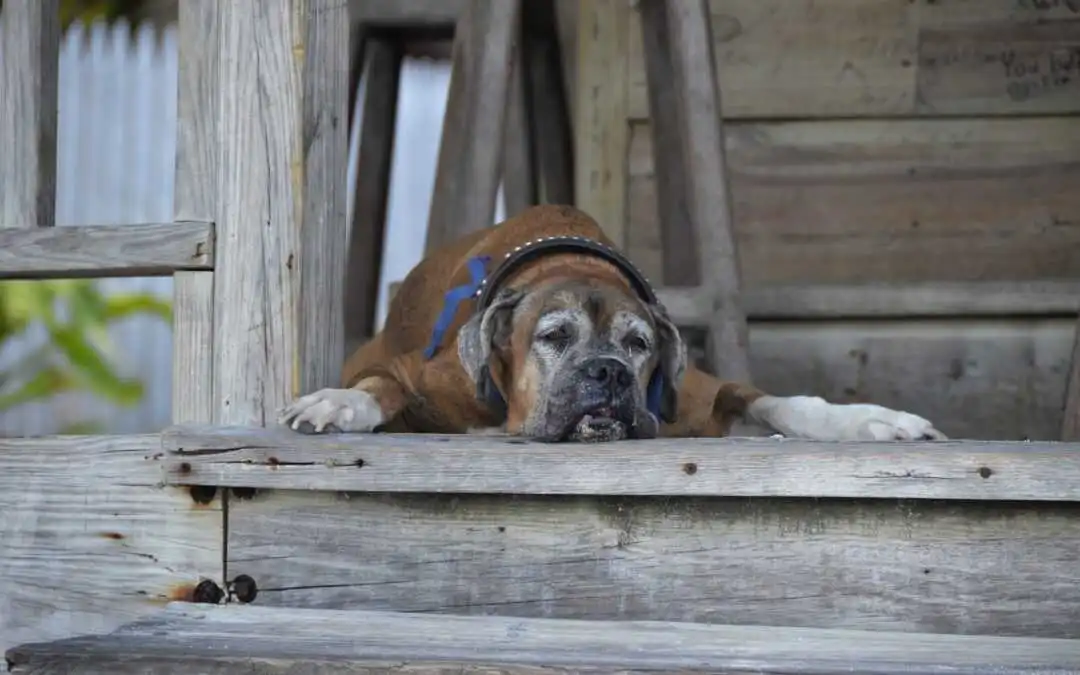
During the end stages of their lives, many dogs have low energy, and they sleep for long periods of time. Activities they once enjoyed, like playing and going on walks, may no longer be of interest to them, or they need to conserve energy to keep their bodies comfortable.
Dogs in pet boarding facilities should be provided with their favorite toys and quiet areas to help ease the stress in the end stage of their lives. Moreover, the caregivers should help dogs conserve their energy by providing them with opportunities for gentle companionship and interaction.
Withdrawal and Seeking Solitude
Many dogs want to be alone and withdraw from the rest of the world when they are in the last stages of their lives. This is a natural response and should not be forced. Pet owners should allow them to choose their own place, to be alone, and allow them to have the time necessary to complete this transition with grace and serenity.
Changes in Bodily Functions
Changes in the body and in how it functions are the two very common changes that happen at the end of life. By recognizing these physiological signs a dog is dying, pet owners will be able to provide medical or palliative care as needed for their dying pet.
Breathing and Heart Rate Alterations
When a dog is in its end-of-life phase, they commonly experiences changes in their heart rate and breathing patterns. At that point, the caregiver should see whether the dog’s respiration has become shallow, irregular, or dogged. Additionally, they may see a fluctuation in the heart rate.
Each of these symptoms indicates that the body is beginning to shut down, i.e., the respiratory and cardiovascular systems are failing. You can get your dog checked by a vet for appropriate end-of-life care. They may suggest pain management therapy, surgery, or palliative care, depending on the severity and need of your dog.
Loss of Appetite and Difficulty Swallowing
One of the signs a dog is dying is a significant reduction in its appetite or an inability to swallow food. Providing a soft diet that can be easily chewed and swallowed with easy access to water can help your dog to stay comfortable and hydrated during its last days. Make your dog eat, but respect your dog’s preferences, i.e., do not force them to eat.
Providing Comfort and Care
Companionship, comfort, and meeting physical and emotional needs are very important for a canine at this time of their life. Early life interventions can help your dog with its last days, as they may help prevent some serious health problems. You can provide your dog with soft bedding and familiar surroundings to calm them down. You can also provide them with their dog toys, as it will help reduce the stress. A gentle touch and an act of care can also be beneficial for your dog.
Conclusion
The physical, behavioral, and physiological signs a dog is dying can help the pet owners and the caregivers to respond with understanding and compassion when needed most. It helps the pet parents to facilitate their dog’s end-of-life stage. It provides the basis of a peaceful and dignified transition. For more information about end-of-life care for dogs, you can contact the Park Hills Animal Hospital for guidance and care at all times.
Frequently Asked Questions (FAQs) About Signs a Dog is Dying
What are the signs that my dog may be approaching the end of its life?
If you notice the signs, such as drastic weight loss and decreased involvement in daily life activities, can be possible that your dog is nearing the end of its life. Your dog may socialize less and sleep all the time. You may notice changes in its breathing pattern, and difficulty in eating and drinking may also be experienced. These are some signs a dog is dying.
How can I emotionally support myself for my dog’s final days?
You can notice the signs a dog is dying early on to provide comfort to them. You can cherish their final moments and try to calm them with your comfort and care. You can also consult a vet or a pet grief counselor to ease and emotionally prepare your dog for its final stage of life.
Is it normal for a dying dog to stop eating?
Yes, it is completely normal. A dog may stop eating when nearing death. You can offer your dog soft food that can be easily digested. It will help provide them comfort. You should know that, if the dog is still not eating, do not force it to eat.
How can I make my dog comfortable during their final days?
You can comfort your dog by providing it with comfortable bedding and quiet surroundings. You can calm them down with your gentle touch and care. Proper hydration and medical assistance are also necessary when caring for your dog. You can also place familiar items such as a dog toy near them. It will help reduce the stress in your passing dog.
What are the common signs that my dog is experiencing pain?
You can note the signs of discomfort and pain in your dog, such as restlessness and reluctance to move. You can notice panting, whimpering, and changes in their posture.