Pet owners are unaware of the early symptoms of certain health problems in their dogs. A typical one is cryptorchidism in dogs which may initially go unnoticed. This blog provides some valuable information on this topic. This includes understanding the cause, symptoms, complications, treatment and prevention of cryptorchidism. Timely treatment is important for a good prognosis. The right information, timely veterinary care and knowledge help pet parents in making healthy choices to improve their dogs’ lives.
Understanding Cryptorchidism in Dogs Condition
During cryptorchidism in dogs, testicles do not descend into the scrotum. It is a problem that affects young male dogs during the early stages. The descent of the testicles should occur in the first few weeks. If the testicles do not move down, it indicates there is an issue that needs a veterinarian.
Normal Testicle Development in Puppies
Most puppies drop their testicles into the scrotum in the first few weeks of their life. This occurs as part of a growth cycle. By two months old, the testicles should be easily seen. Failure to see one or both may mean that a condition is present and needs to be diagnosed and treated early.
Types of Cryptorchidism Seen in Dogs
Cryptorchidism can be in two forms. Both have varying effects on dogs. Knowing the types of cryptorchidism helps owners to understand the urgency level and to seek help at the appropriate time for optimal health.
Unilateral and Bilateral Conditions Explained
Unilateral Cryptorchidism is when one testicle does not descend. In bilateral cases, both testicles do not descend. One descended testicle might not affect their behavior. Dogs with bilateral cryptorchidism may not be fertile. Both should seek treatment as they pose risks that grow over time.
Causes Behind Cryptorchidism in Dogs
There could be a number of causes for this condition. It is believed that it comes from genetics. Some factors can trigger it in dogs. The following are the most common factors:
Common Factors Linked to This Condition
This is often due to genetics. Hormonal imbalance during development may also influence testicle descent. Puppies may have growth problems while in the womb. Some breeds are affected by this condition. Proper pet nutrition with a balanced diet can help with proper development but cannot completely prevent this condition.
Signs That Help Identify This Condition Early
It is difficult to initially recognise cryptorchidism. Some dogs do not have apparent symptoms. Early detection and regular check ups will minimise the risks and long term complications. Some common changes are given below:
Physical and Behavioral Changes to Watch
Owners might see that one testicle is missing from the scrotum. The scrotum might appear irregular or smaller in size. Dogs may be a bit uncomfortable or behave normally. During pet grooming appointments, regular checks can be helpful for optimal health. This helps in prompt treatment and prevents more serious health problems.
Health Risks Linked to Undescended Testicles
Untreated cryptorchidism could cause health problems. These become greater as the dog ages. Treatment in the early stages minimises these risks and promotes good health. The following are the possible health risks:
Complications That Affect Dog Health
Dogs with cryptorchids are at risk of testicular cancer. Torsion, pain and swelling are common in these dogs. There is a risk of internal damage over time. Infertility can be caused. Early treatment and spay and neuter can help to prevent these complications and improve thier well being.
How Veterinarians Diagnose This Condition
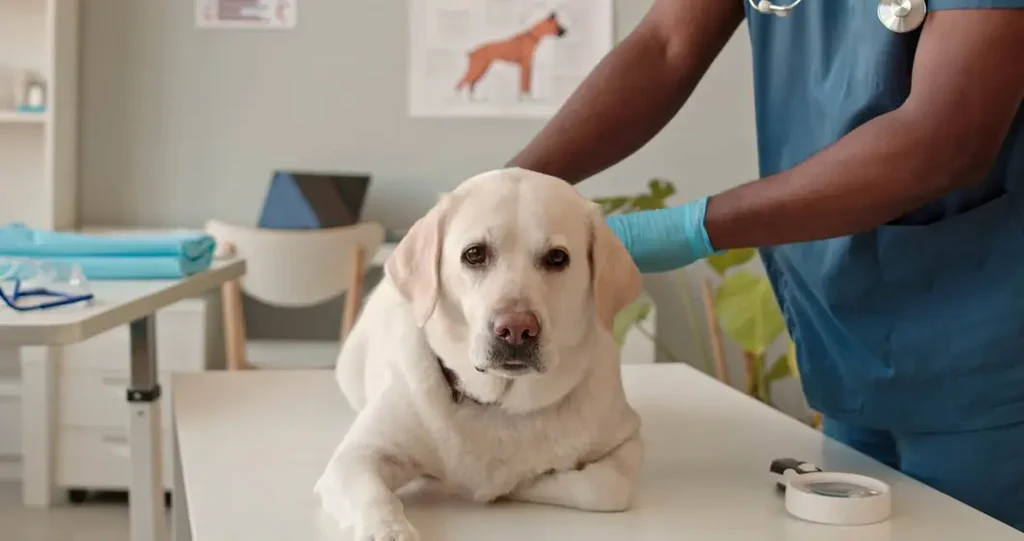
Diagnosis can help to confirm the condition and determine the next steps. This help to ensure a proper diagnosis and safe treatment. You should choose a licensed veterinarian for proper diagnosis and safe, effective treatment.
Methods Used During Diagnosis
Veterinarians do a physical exam of the scrotum. If necessary, they may take X-rays or use an ultrasound to find the missing testicle. Age help to guide the diagnosis. Early checkups help in better monitoring of growth. Frequent visits, pet dental care and others help to maintain good health and allow early treatment.
Treatment Options for Cryptorchid Dogs
Vet treatment help to remove the affected testicle. This will avoid major complications and enhance their quality of life. It requires surgical treatment from a licensed veterinarian. Proper care and diet help to boost the recovery process.
Surgical Care and Recovery Process
The undescended testicle is removed by surgery. It’s a routine and safe surgery. It only takes a few days for the dog to recover. It’s often recommended by veterinarians as part of pet surgery to avoid future problems. Following treatment, dogs can be returned to their normal lifestyle with better health.
Can This Condition Be Prevented Early
Cryptorchidism is difficult to prevent if it is genetic. But there are steps that can help to prevent passing it down to future generations. You should know the steps for responsible pet care, which are as follows:
Steps for Responsible Pet Care
Do not breed dogs with this disease. Have early veterinary check ups for puppies. Monitor growth for the first few months. Careful breeding practices can prevent this problem. Proper care aids in early detection and improves prospects for dogs.
When Dog Owners Should Seek VET Care
Regular visits to the vet can keep this condition at bay. This help to ensure the right care and quick recovery in your furry friend. You should know the warning signs for their health and safety.
Warning Signs that Need Quick Action
See a vet if the testicles do not come down in 2 months old puppy. Be aware of signs of pain, swelling or lameness. If left untreated, it can cause severe health issues. Early diagnosis, treatment and care help to save its life.
Final Thoughts on Cryptorchidism in Dogs
Early diagnosis and treatment of cryptorchidism in dogs is essential to reduce risks and complications. Owners need to be vigilant and take prompt action. Early diagnosis and treatment enhance their health and well being. Preventive care helps defend against cases in the future. Be sure to consult with expert VETs for the best outcomes and health. Get professional advice from licensed veterinarians at Park Hills Animal Hospital.