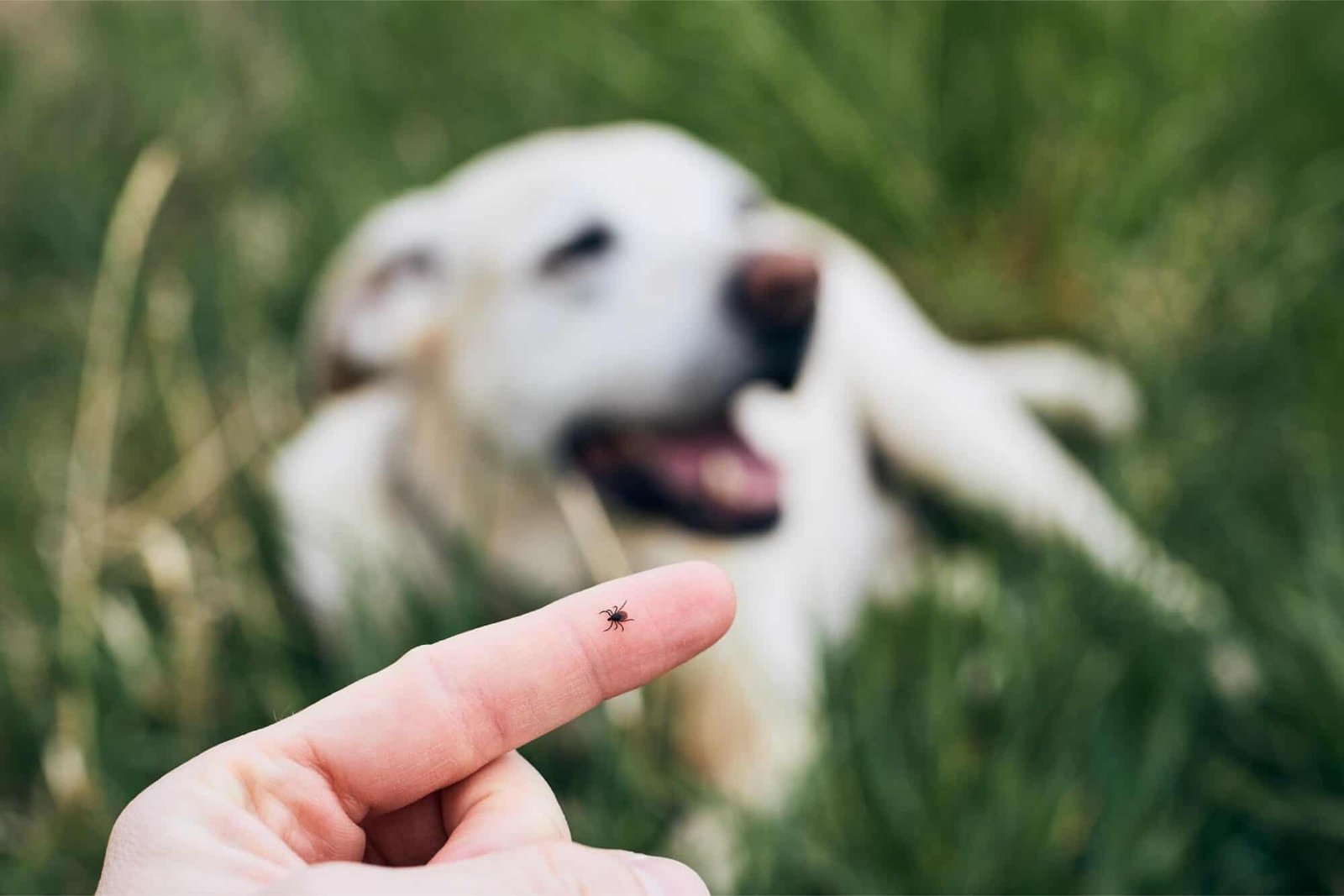

Heartworm disease is a life threatening disease that is caused by a worm parasite in your dog’s body. Although this disease is potentially fatal, you can prevent it. It is caused by Dirofilaria immitis, which is a worm parasite. Mosquitoes transmit this worm parasite as they carry heartworm larvae from an infected animal to a new host. These heartworms live in the blood vessels that support the heart and lungs of your dog. This disease can even take your dog’s life because it becomes more severe with the passage of time. In this blog, we will provide extensive information about heartworm disease in dogs.
Heartworm Disease in Dogs a Simple Overview
Heartworm is an extremely fatal disease in dogs, which results from a worm parasite (Dirofilaria immitis) which is transmitted through mosquito bites. Mosquitoes move heartworm larvae, which are called microfilariae. The larvae grow into adult worms in several months after they arrive in a new host.
The duration of this disease begins when a mosquito carries infective larvae from an infected dog and passes them into a healthy dog. As the larvae develop in tissues over time, they move into the bloodstream. They cause serious damage to blood vessels and organs as they reach the heart and lungs after growing. The worms continuously block blood flow and strain your dog’s heart. This can lead to heart failure or even death if you do not treat this.
How Heartworm Disease Affects Dog’s Heart
Heartworm disease directly targets the heart of your dog. Adult worms of disease occupy the right side of the heart and pulmonary arteries. It hardens the work of your dog’s heart due to the physical blockage of blood flow. This constant strain increases pressure on the right side of your dog’s heart with the passage of time.
Important organs get less oxygen due to the reduced blood flow. It can lead to long term cardiovascular complications as heart valves can become weakened with the passage of time. The number of worms increases as heartworm disease in dogs progresses. It can worsen the blockage and inflammation inside the vessels.
Symptoms of Heartworm Disease in Dogs
The symptoms of infection may not appear quickly as this disease often develops slowly. The risks of this disease might include coughing, diarrhea, weight loss and fatigue. You may notice a mild cough and reduced energy levels in the early stage. Your dog might cough even after a small amount of exercise if it is in the first stage. They may avoid exercise or may feel tired after small activities.
The symptoms become more serious over time as they worsen. Your dog may also have difficulty breathing due to reduced flow of oxygen. Dogs feel less hungry when they struggle with heartworms for a long time. This leads many dogs to weight loss, which is a common symptom in the early to middle stages of the disease. Lack of energy is one more symptom that is commonly found along with heartworm disease. The worms continue to damage the heart and lungs with the passage of time therefore symptoms worsen gradually. The condition of a dog can become fatal if you do not detect symptoms and start treatment on time.
Diagnosis of Heartworm Disease in Dogs
There is a combination of tests and examinations used to diagnose heartworm disease in dogs. Antigen testing is a blood test that helps to detect proteins from adult female heartworms in the bloodstream. This test is helpful to confirm infection before the appearance of severe symptoms. X-rays may also be used to examine the heart and lungs of your dog.
You can evaluate your dog’s breathing patterns and heart sounds to diagnose disease with the help of physical examination. It is also beneficial to analyze the overall health of your dog. Early screening is more important for the dogs that live in areas where the risk of infection is high. You should get your dog tested even if your dog shows no symptoms. It helps you to detect heartworm disease in dogs early.
The Treatment for Heartworm Disease in Dogs
Careful veterinary supervision is important for the treatment of heartworm disease in your dog. The treatment contains medications that are used to kill adult heartworms in the body. Although these medications are effective, but you must administer them carefully because dying worms can cause complications. During the treatment, complete rest is also important, you should limit the physical activity to prevent dead worms from blocking blood vessels. Because dead worms can cause sudden health issues. You should also ensure balanced pet nutrition because it is important to keep your dog healthy.
You should provide medications that are used to reduce inflammation as supportive care is also important. Antibiotics are also used in some cases to control bacterial infection related to heartworm disease. The process can take several weeks to months because the total treatment duration depends on the severity of symptoms. You should observe your dog throughout the treatment as it ensures safety and effectiveness. You can recover your dog from this disease successfully with proper care.
Prevention of Heartworm Disease in Dogs
Prevention of disease is important because it is a concern for every pet owner. This disease can impact your pet grooming especially for dogs. Therefore, prevention is necessary to ensure your dog’s safety. You should give your dogs the monthly heartworm medications prescribed by a veterinarian. The medications kill larvae before they grow into adult worms. You should also reduce standing water around your home to control mosquitoes. Pet boarding can help you to maintain your dog’s heartworm prevention in your absence. Regular checkups are also essential to ensure the safety of your dog, even if your dog does not have any signs of disease.
Conclusions
Heartworm disease is a life threatening disease in dogs that is spread by mosquitoes. You can control this by protecting your dog from places where mosquitoes can bite them. You should monitor the symptoms of the disease in your dog to prevent severe symptoms. If you notice any symptoms in your dog’s behaviour, such as weakness, immediately contact your health care provider. To get more information about heartworm disease in dogs, visit Park Hills Animal Hospital as it provides all information about your pet’s health issues.