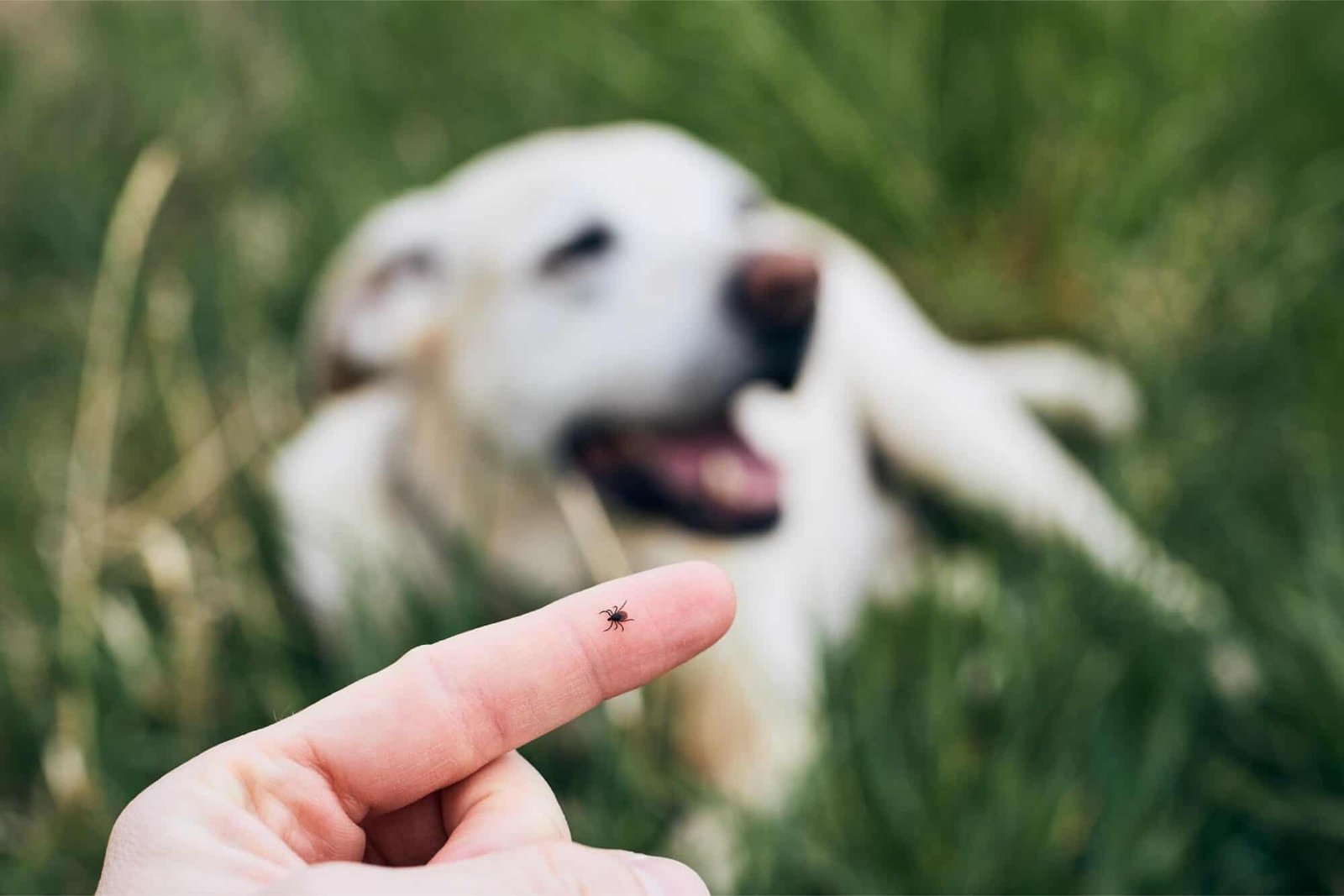

Do you know what happens to your dog if you do not notice the symptoms of tick-borne disease? The dangerous thing is that the infection may develop in your dog’s body quietly. This is because you may not notice the early symptoms of Lyme disease in your dog. It can lead to several health issues if you do not treat it at the right time. Your dog can face health problems such as joint pain, fever or fatigue with the passage of time. In this blog, we will provide extensive information about Lyme disease in dogs.
Is Lyme Disease Caused By Tick Bites in Dogs?
Yes, Lyme disease is a bacterial infection in dogs that is caused by infected tick bites. The bacteria enter the bloodstream when an infected tick bites your dog and feeds on its blood. It affects the different parts of the dog’s body, especially joints. Deer ticks (also called black-legged ticks) are the chief carriers of Lyme disease in dogs. They are often found in grassy, wooded and bushy areas and attach to your dog’s body. After that, they slowly transmit the bacteria into the bloodstream while feeding.
Causes and Transmission of Lyme Disease
Your dog can get Lyme disease when an infected deer tick (also called a black-legged tick) bites it. The infected tick usually needs at least 24 hours to spread the infection. When it attaches to your dog’s skin, it feeds slowly and during this process, bacteria enter the bloodstream.
The risk of infection increases as the stick stays attached longer to the body. Your dogs are at higher risk because they spend time in tall grass or gardens where ticks live. The risk of Lyme disease increases with seasonal changes as ticks become more active during spring and summer.
Symptoms of Lyme Disease in Dogs
The symptoms of Lyme disease usually appear in a few weeks after the initial tick bite. Common symptoms of Lyme disease include fever, weakness, joint pain or loss of appetite. These symptoms can vary widely and some dogs may not show signs immediately. Your dog appears tired and weak. It sleeps more than usual and shows less interest in different activities. This shows that the body is fighting infection.
Lyme disease can also affect the kidneys of your dogs. It can also cause vomiting and weight loss with the passage of time. Your dog may also feel very thirsty as it has increased thirst. Some dogs only show mild signs, while others may become seriously ill. This is because the symptoms vary from one dog to another.
Diagnosis of Lyme Disease in Dogs
Lyme disease is diagnosed by using a combination of blood tests. Veterinarians evaluate the symptoms such as joint pain and fever with the help of these tests. The ELISA test and the C6 antibody test are the most common tests that detect exposure to the bacteria. Diagnosing Lyme disease can be complex when the immune response is unclear or the infection is recent.
Early diagnosis is important to start treatment at the right time because it helps to manage the disease before it progresses. Therefore, you should not ignore the early symptoms of Lyme disease. Later, they can cause complications and other serious health issues.
Treatment Options for Lyme Disease in Dogs
Antibiotics usually doxycycline is used as the most common treatment for Lyme disease in dogs. This medication reduces the infection in the body as it kills the bacteria. The duration of the treatment depends on the severity of symptoms but it usually lasts 3 to 4 weeks for mild cases, which can be extended according to the situation. Veterinarians may also prescribe other pain relief medications with antibiotics for joint discomfort.
Your dog needs some additional care when Lyme disease affects the kidneys. You may also need to include pet nutrition and fluids to protect kidney function. You should complete the full course of medication even if you observe improvement early. Because if you stop treatment soon, the infection can worsen.
How To Prevent Lyme Disease in Dogs
Your priority should be the prevention of Lyme disease because you know that prevention is better than cure. You can use tick prevention products like collars and sprays to prevent disease. You should check your dog for ticks after every outdoor activity because the risk of infection reduces when you remove ticks quickly from their body. You should also keep pet boarding clean as it is important to avoid ticks. Vaccination is also important for disease prevention as it reduces the risk of disease. Ticks can survive in different weather conditions. Therefore, you should try to protect your dog all year round instead of just in summer.
Complications of Untreated Lyme Disease in Dogs
Lyme disease can lead to serious health issues if you leave it untreated. An untreated disease can affect the pet grooming. Chronic arthritis is one of the most common complications that can cause ongoing joint pain. It also has a higher risk of kidney failure which can be life-threatening. It requires immediate veterinary care as your dog feels difficulty in different activities. It minimizes the overall quality of your dog’s life when you leave this untreated. Therefore, to avoid different complications, you should treat this at the right time. Early diagnosis and treatment are important to save the life of your dog.
Is Lyme Disease Contagious In Dogs?
Lyme disease in dogs is not contagious because it does not spread from dog to dog. You do not have any danger because it does not spread even through direct contact. The only way of its transmission is the bite of an infected tick. The infection can not spread without tick exposure. It is only a common myth among people that Lyme disease is contagious.
Conclusion
Although Lyme disease is a serious tick-borne illness, you can prevent it. It is spread due to the bite of infected ticks and leads to symptoms such as fever, joint pain and fatigue. If you ignore the early symptoms of this disease, it can lead your dog to different complications for your dog. You should prevent this disease early to avoid severe health issues. Early diagnoses greatly increase the chance of your dog’s health recovery. You should consult with a veterinarian immediately if you notice any unusual symptoms in your dog. To get more information, you can visit Park Hills Animal Hospital as it provides all solutions for your pet’s health.