Gastric dilatation and volvulus syndrome (GDV) is one of the serious medical emergencies that can occur in any dog at any time. This condition leads to a bloat surgery in dogs to prevent future complications. Understanding the causes and the process of bloat surgery in dogs, pet owners can make timely decisions for their pet companions. It will serve as an immediate intervention, a reason for saving your dog’s life. This blog is a guide for dog owners to make appropriate decisions for their dogs in an emergency situation.
What is Meant By Bloat in Dogs
Gastric dilatation and volvulus (bloat) is a medical emergency condition in dogs. It happens as a result of gastric discomfort. gas, fluid, or food accumulates in the stomach and leads to gastric issues. In some cases, the stomach also rotates around its axis, which disrupts blood circulation. Therefore, this medical emergency needs an urgent response since it becomes more severe with every minute. Proper pet nutrition can prevent GDV to a great extent. Symptoms that accompany this condition include restlessness, bloated belly, excessive drooling, and unsuccessful attempts to vomit.
Why Does Bloat Become Life-Threatening
Bloat condition in dogs is dangerous because it disrupts circulation. It puts enormous pressure on other body systems. For instance, if a dog suffers from GDV, the stomach applies additional pressure on its neighboring organs. Simultaneously, the blood supply to the heart is reduced. However, it becomes even worse if the stomach twists since it prevents blood circulation to the affected region. Tissue necrosis, toxicity, and shock are common consequences of Gastric dilatation and volvulus (bloat). Hence, bloat surgery in dogs is the best option to save the animal.
How to Treat Bloat in Dogs
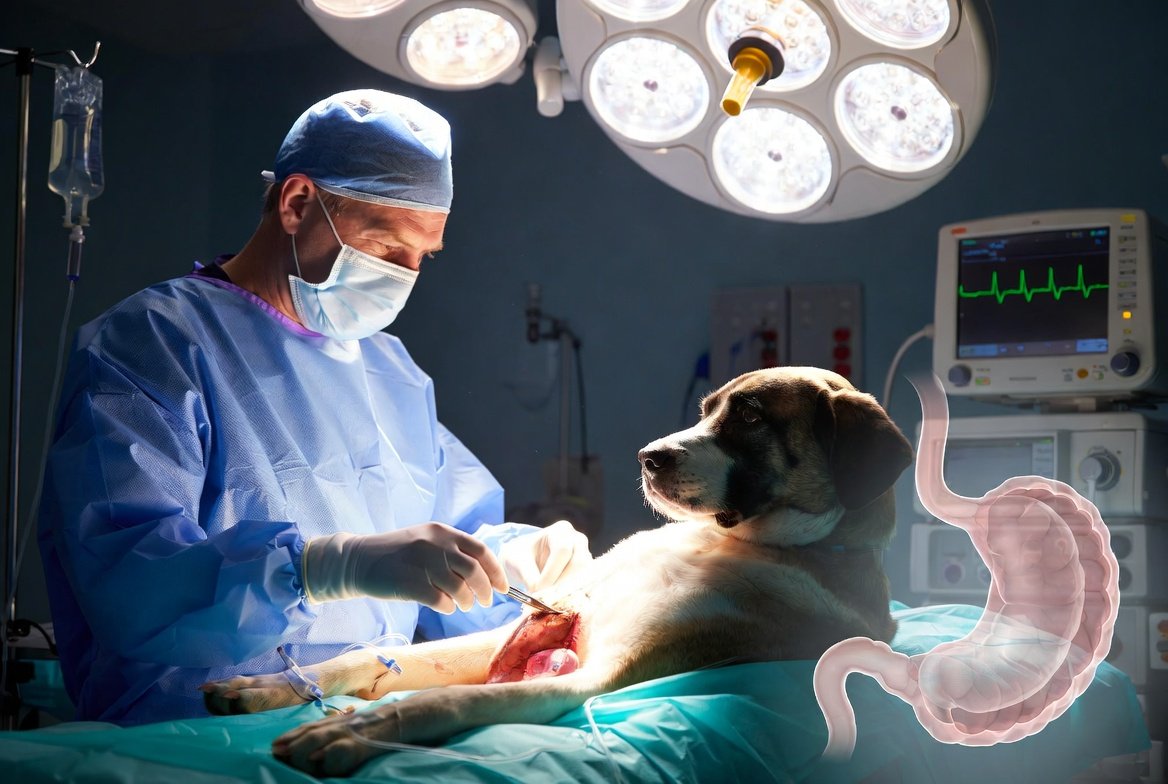
Bloat surgery in dogs is one of the procedures that veterinarians use to correct the twist and prevent further issues. It is also called a gastropexy, and it is considered an essential pet surgery for dogs that suffer from Gastric Dilatation and Volvulus syndrome (GDV). During this emergency medical procedure, a vet untwists the abdomen. Then he/she fixes it against the abdominal cavity to prevent or reduce the risk of twisting in the future.
Understanding the Need for Bloat Surgery in Dogs
Bloat condition in dogs mainly occurs because of improper feeding. It can appear due to anxiety or as a result of any physical activity. Some dogs develop GDV if their parents had it (genetic predisposition). Thus, to prevent the risk and complications, the treatment for this condition is bloat surgery in dogs.
Here you should know that every situation of Bloating does not require surgery. First, a vet evaluates the dog’s condition, makes diagnostic tests, and then comes to the decision whether the dog requires bloat surgery or not. So, bring your dog to the vet as soon as possible to get timely management.
Procedure of Bloat Surgery in Dogs Explained
Bloat surgery in dogs takes place under general anesthesia. In particular, the veterinarian opens a cut above the dog’s abdomen and examines the stomach. If the stomach is twisted, he/she untwists it and fixes it in the proper place. In severe cases, parts of the stomach or spleen are cut out. Once the doctor completes the untwisting, he/she sutures the stomach to the abdominal wall to ensure that it won’t twist in the future.
Risks Associated with Bloat Surgery in Dogs
Any operation entails certain risks, as does the bloat surgery in dogs. They can be associated with anesthesia, infection, or accidental injury to vital organs. However, these risks are minor in comparison with the potential dangers that Gastric Dilatation and Volvulus syndrome (GDV) brings. Hence, it is vital to understand that if GDV is not treated with bloat surgery in dogs, it will lead to death. Thus, the benefits of the bloat surgery in dogs outweigh the disadvantages.
Preparing for Emergency Bloat Surgery in Dogs
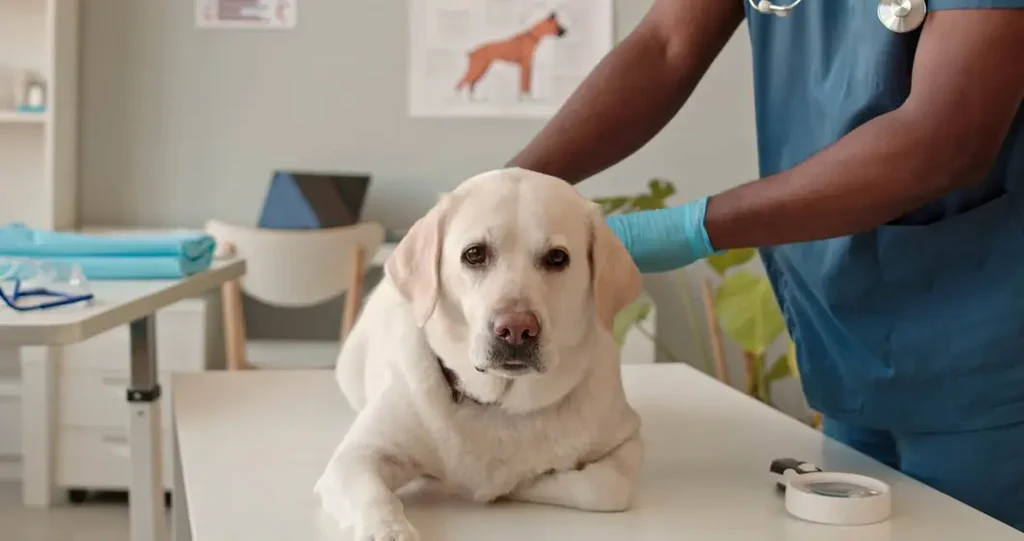
If you see any symptoms of GDV, you need to transport your pet to the vet immediately. The veterinarian will examine your dog thoroughly and stabilize it. After the diagnosis is made, the vet makes a decision whether your dog requires surgery or not. This process requires emotional and financial considerations. A dog parent needs to stay calm in such emergencies. Try to focus on the most important things that can save your pet’s life. Therefore, you should forget about your personal feelings and concentrate on your dog. Moreover, if you don’t want to spend too much money in such circumstances, you should get pet insurance in advance.
Recovery After Bloat Surgery in Dogs
After the operation, you should look after your dog. It is crucial to monitor the dog’s condition to detect possible problems and solve them. In addition, the vet will instruct you about proper care techniques and prescribe appropriate medications. Pain management is an integral part of the rehabilitation period in dogs as well. Proper hygiene is essential during this period of recovery.
Care at Home After Discharge
When your dog comes back home after discharge, you will have to devote a lot of time to your companion. It is necessary to administer medication and ensure the dog remains calm. You should also create a comfortable environment for your dog.
Adjust your pet’s diet and make smaller meal portions. It will help support digestion and avoid further complications. Regular health check-ups are vital to monitor the recovery process after the bloat surgery in dogs.
Preventing Bloat in the Future
Even though bloat is hard to prevent, there are some tips that can decrease its likelihood of developing GDV in dogs, ad reducing the chances of having bloat surgery in dogs. These preventive measures are given as follows:
- You should avoid feeding large amounts of food to your dog.
- Vet visits should be made regularly, and discuss disease preventive options with your vet.
- Don’t allow your dog to play after feeding. It will help avoid bloat.
Breeds at Higher Risk
Some dog breeds are more vulnerable than others. In particular, Great Danes, German Shepherds, and Standard Poodles belong to high-risk categories of developing DDV. Hence, you should take preventive measures to ensure that your pet stays healthy.
If you have a dog of any of the above-mentioned breeds and visit any pet boarding facility more often, or you adopt a dog from it or an adoption center, have it checked by a vet to reduce the risk of developing Gastric Dilatation and Volvulus syndrome (GDV). It will help you to make better choices for your dog.
Long-Term Outlook After Bloat Surgery in Dogs
A gastropexy procedure ensures that the dog won’t have similar problems in the future. Bloat surgery in dogs improves the dog’s health. However, the results of the surgery depend on the condition’s severity and treatment. If you take your companion to a clinic on time, it will regain its health.
Signs to Watch During Recovery
Although surgery is effective, it doesn’t eliminate the possibility of complications. For instance, some dogs lose their appetites, and they become weak and lethargic. Other dogs develop vomiting or diarrhea, and their abdomen swells. In such cases, you need to report to a vet right away to resolve the situation promptly.
Conclusion
Bloat surgery in dogs is one of the critical operations that saves lives. However, even though this procedure seems to be scary and risky, it is worth doing. Otherwise, your companion will experience irreversible consequences and even death. Proper aftercare is necessary to support the long-term well-being of your pet. You can visit Park Hills Animal Hospital if your dog experiences any emergency condition.