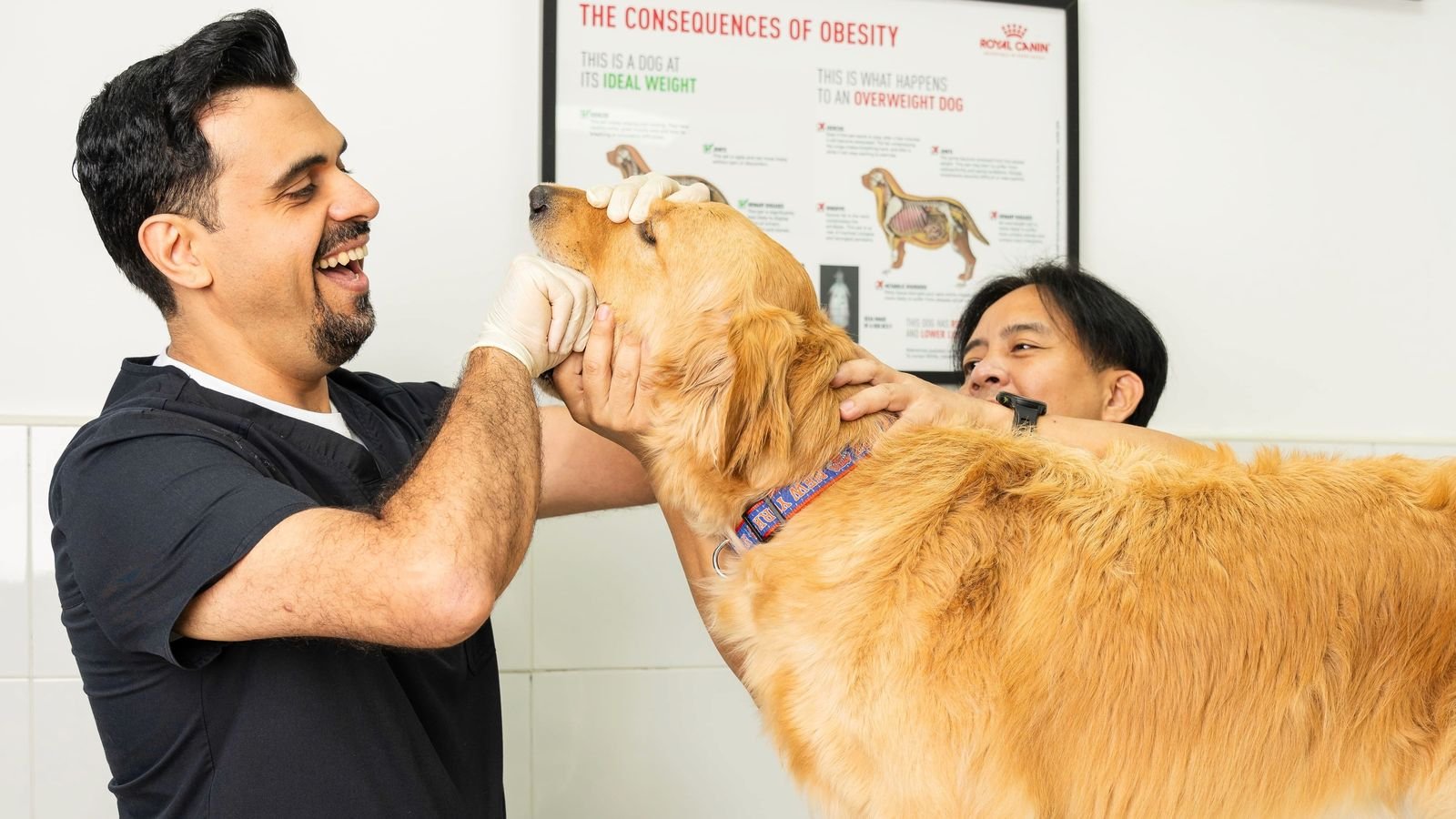
Pet owners often neglect dental care. This can be a bad decision. Dog gum disease is a common health problem. It begins slowly and progresses quickly. It can damage your dog’s teeth and gums. This blog will cover what causes, symptoms and treatment of dog gum disease. You will also find out how to prevent it, so let’s start with a quick guide.
What Is Dog Gum Disease
It affects the gums and teeth. It starts with plaque buildup. It can progress to oral infection. This disease can cause pain and even tooth loss. Caring early on avoids serious dental problems. Some owners fail to notice symptoms. This makes the problem worse. Good care keeps your dog healthy and happy.
Common Causes of Dog Gum Disease
Dog gum disease is caused by several factors. Lack of care and nutrition is key to proper health. This can help you to stop it from starting. The most common causes of dog gum disease are given below:
Poor Oral Hygiene
Pet owners do not always brush their teeth. This leads to plaque buildup and it can develop into tartar. It makes gums sore and infected. Regular cleaning help to prevent it. You might even want to try services such as pet dental care.
Bad Diet Choices
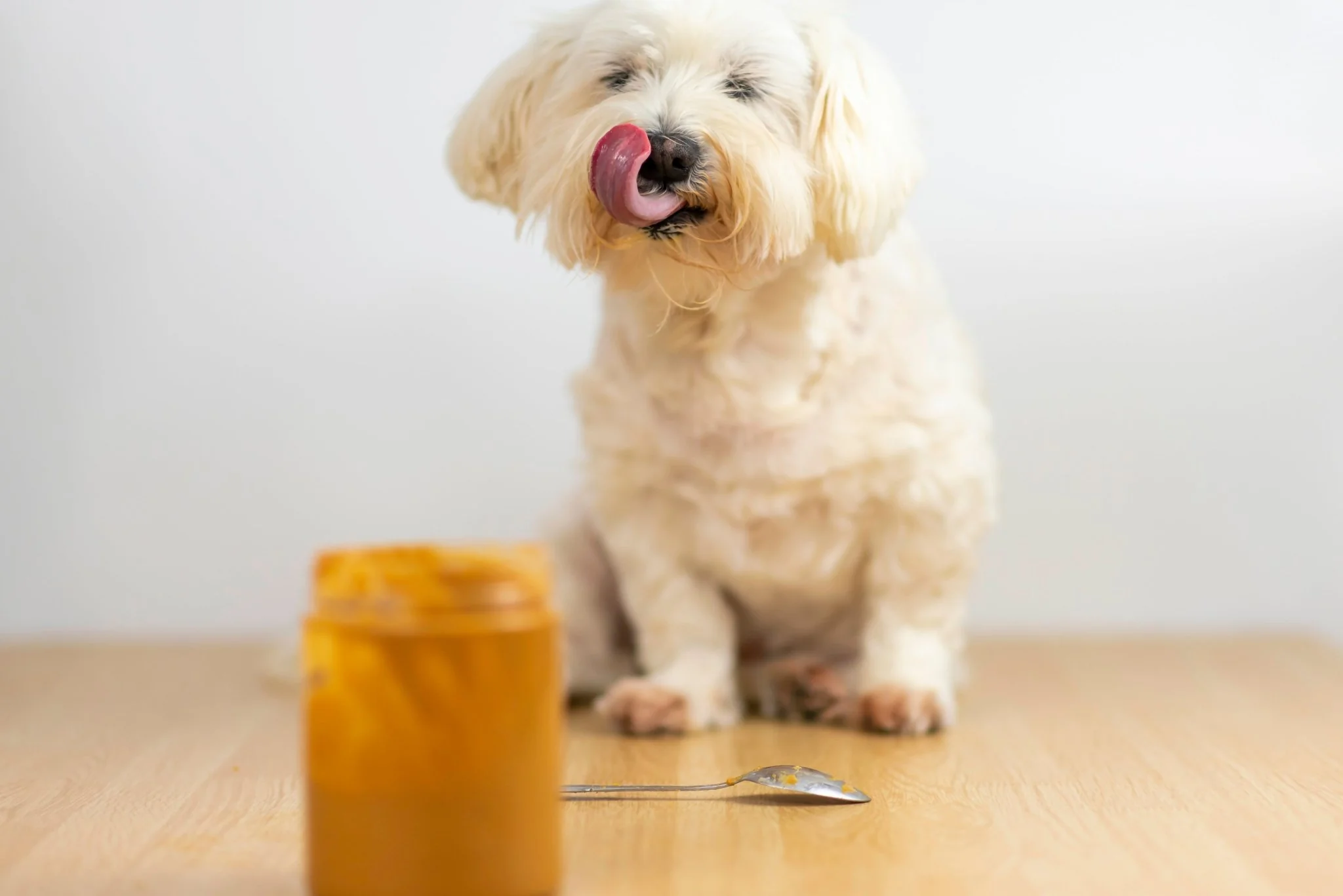
Diet has a huge impact on pet oral health. Sticky foods cling to teeth. They increase bacterial growth. Dry food help to clean teeth naturally. A good diet with proper pet nutrition helps your dog’s mouth and prevents dog gum disease.
Plaque and Tartar Build Up
A plaque builds up on the dog’s teeth every day and turns into tartar if you do not clean it away. Tartar is an irritant and causes infection. This is one of the main causes of dog gum disease. This can be prevented by cleaning.
Warning Signs You Should Not Ignore
There are symptoms of dog gum disease. They are often overlooked. With prompt treatment, your dog can avoid pain. Look out for these signs in your dog. Warning signs that you should never ignore are as follows:
Red or Swollen Gums
Healthy gums are pink but infection causes red and swollen gums. This is a symptom of periodontal disease in dogs. If you catch it early, it can be prevented. If you notice this sign, you must consult a licensed VET.
Bad Breath
Dogs should not have bad breath. It can be caused by mouth bacteria. This can be a symptom of periodontal disease in dogs. Its odor is managed by regular brushing with vet approved toothpaste. Bad breath can be indicated by these symptoms:
- Bad smell
- Mouth odor
Difficulty Eating
Dogs with gum pain avoid eating food. They may eat slowly or let food fall. This shows discomfort that can be linked to dog gum disease. Treatment at an early stage help to relieve pain and prevent serious dental problems.
Stages of Dog Gum Disease
Dog gum disease has stages. Each has distinctive symptoms. The sooner you catch it, the better for its health. It is categorized into four stages, which are given below:
| Stage | Symptoms |
| Early | Mild redness |
| Moderate | Swelling and bad odor |
| Advanced | Tooth loss |
| Severe | Pain and infection |
Effective Treatments For Dog Gum Disease
Dog gum disease needs proper care and treatment. The stage determines the appropriate care. Early stages need simple care. Later stages require immediate veterinary care. Let’s look at the proper treatments for each stage.
Professional Cleaning
Vets clean your dog’s teeth. They help to remove plaque and tartar with professional tools. This help to stop infection. Pet grooming plans may also have routine dental inspections. This help to prevent dog gum disease.
Medications
Vets may give antibiotics. These help to reduce infection and pain. Medications help to control bacterial formation. They aid recovery in dog gum disease. Antibiotics and painkillers are effective medications for this dental problem in dogs.
Advanced Dental Procedures
Advanced treatments are required in severe cases. This can include tooth extraction. Pet surgery may be required for some infections. These can prevent the spread of dog gum disease and keep your dog healthy.
Home Care Tips to Prevent Dog Gum Disease
An ounce of prevention is worth a pound of cure for dogs. There are some easy steps you can take. These can help to reduce the risk of dog gum disease at home. Brush your dog’s teeth every day. Use vet approved products for their safety. Use chewing toys and feed a balanced diet. Avoid sugary treats and take your dog to the vet regularly.
When to Visit a Vet
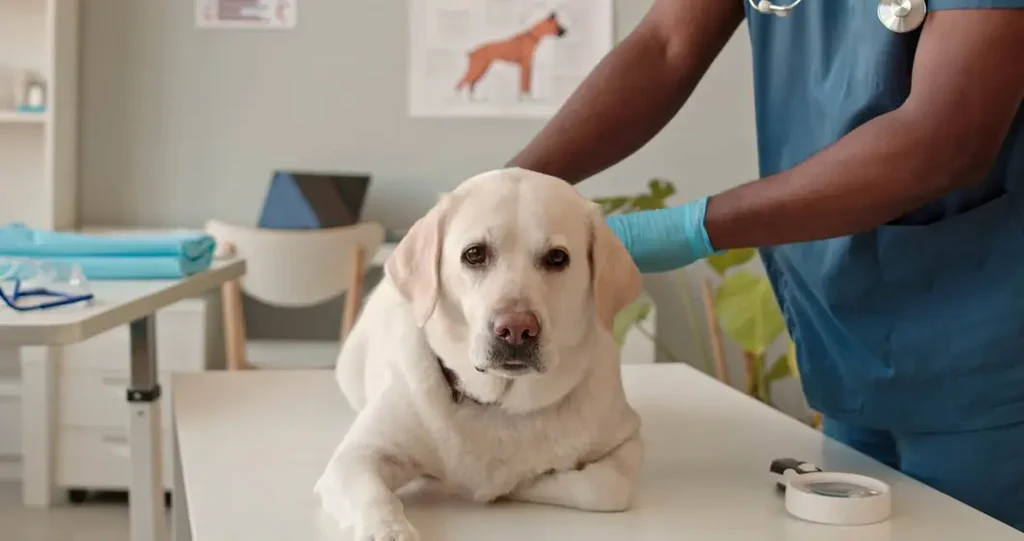
Some signs need expert care. Do not ignore serious symptoms. This help to avoid pain and oral damage. See a vet if your pet has severe symptoms of dog gum Disease. Ask for VET help if your dog is in pain, does not eat or has blood in the mouth. Veterinary visits help to monitor oral health. Early care help to save time and cost of serious dental treatments.
Conclusion
Dogs can get gum disease. It is mild but can be severe in the future. Proper oral hygiene and diet can help to prevent dog gum disease. Do not ignore the symptoms such as swollen gums, bleeding and difficulty eating. Vet care help to prevent illness. Every day care is important for your dog’s safety. Call Park Hills Animal Hospital now to keep your pet’s teeth and health in tip top shape. You can share your valuable concerns about dog gum disease in the comments section.