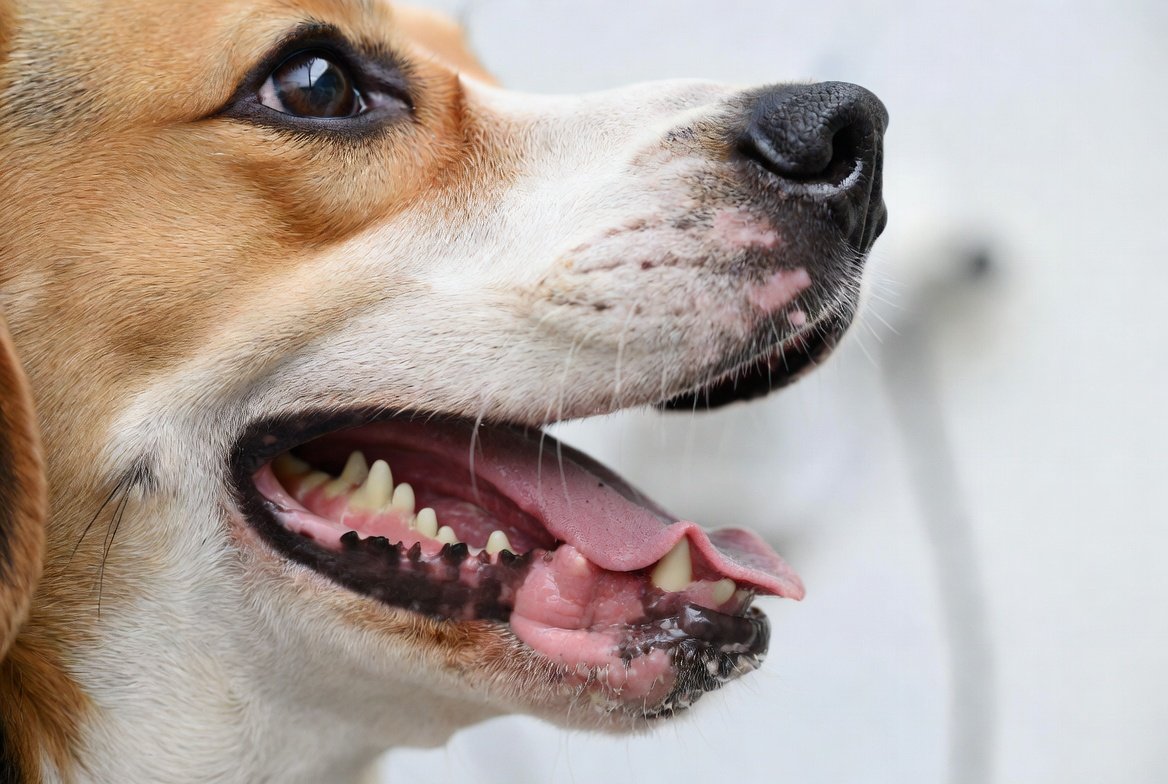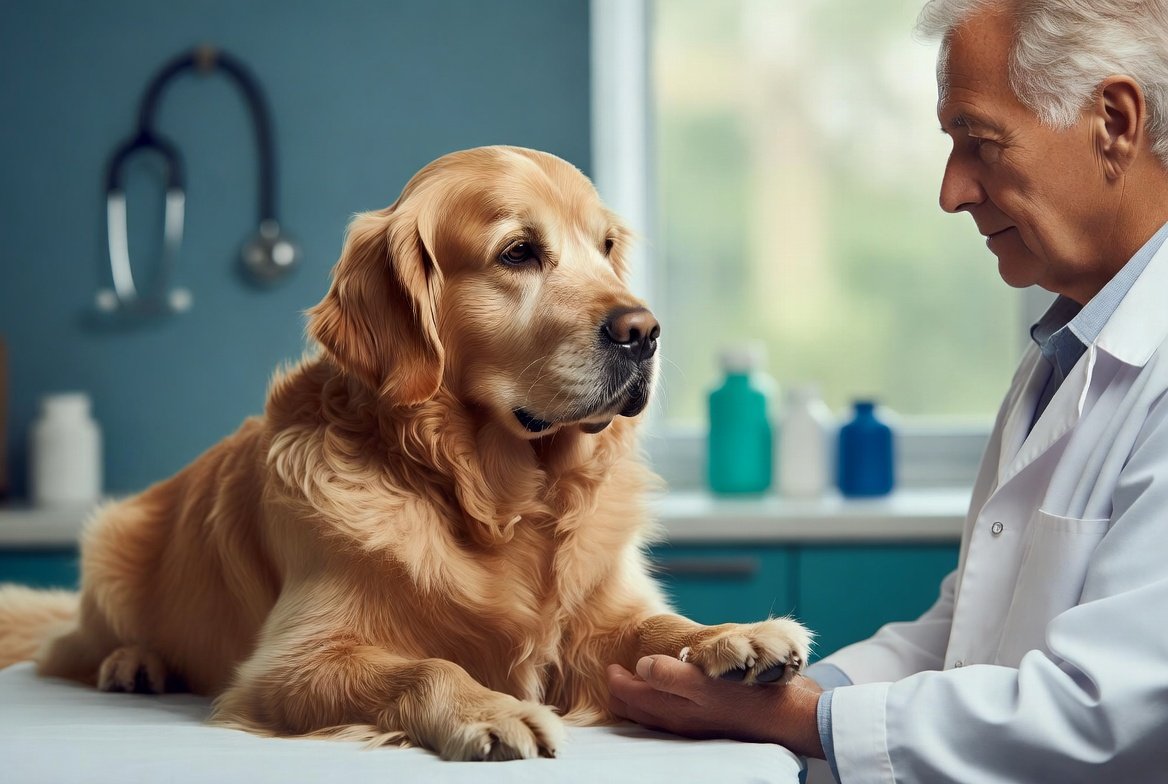

Dogs also require regular dental care, just like us. It helps to prevent plaque buildup and other oral health problems. There are two ways that include dog teeth cleaning without anesthesia and traditional dental cleaning.
Today, we will discuss a modern and efficient dental cleaning method that does not require anesthesia. This blog will explain dental cleaning without anesthesia, benefits, the procedure and tips to maintain good oral hygiene in your pet.
What Is Dog Teeth Cleaning Without Anesthesia?
Vets help to clean teeth, gums and other hard-to-reach areas. It requires no anesthesia or sedation, which makes it an ideal choice for older dogs. It focuses on cleaning and preventive care of a dog’s oral health.
Vets and professionals perform this process by using gentle handling and special dental tools. This technique helps to keep the pet calm during the cleaning treatment. Many pet owners prefer it due to its safety and quick recovery. It does not replace regular vet check-ups, but it improves a pet’s home dental care.
Benefits of Cleaning Your Dog’s Teeth Without Anesthesia
Dog teeth cleaning without anesthesia helps to improve overall dental health. It helps to prevent plaque, tartar and bad breath. Dogs experience less stress with this method as compared to anesthesia or traditional cleanings. It is preferable for older and sensitive dogs. Many pet owners reported rapid recovery after dental cleaning without anesthesia.
Who Can Benefit from Non-Anesthetic Dog Teeth Cleaning?
Dogs with certain health issues, such as heart, liver, kidney and respiratory problems. Anesthesia or sedation harms these health conditions of the dog. Teeth cleaning without anesthesia is beneficial for dogs with these health problems.
Small breeds are sensitive and this method is gentle for them. Puppies and older dogs are also in the list. They need a gentle and safe teeth cleaning treatment. This is why dog teeth cleaning without anesthesia helps to ensure safe dental treatment.
How the Procedure Works
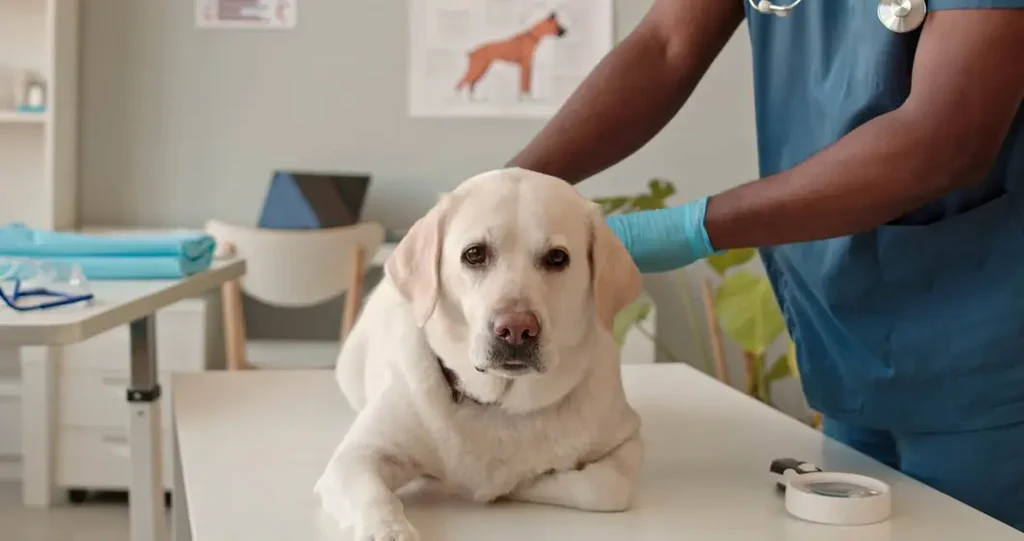
It begins with a complete oral examination of the dog. Vets or professionals help to inspect the condition of teeth and gums before cleaning. They use special tools and gentle techniques to calm the dog. It takes less time than traditional cleaning with anesthesia. Vets clean the complete oral cavity, including difficult-to-reach areas. They polish dog teeth after cleaning, which helps to prevent plaque buildup for a long time.
Tips for Maintaining Your Dog’s Dental Health at Home
A balanced diet plays an important role in maintaining good oral hygiene. It contains all the essential pet nutrient that help to strengthen teeth and prevent swollen gums.
Regular dental cleaning helps to prevent oral health problems in your dog. Use a soft brush and dog-friendly toothpaste for dog teeth cleaning at home. It helps to prevent irritation and discomfort while cleaning. You can use pet oral gel to clean a dog’s teeth at home. Dental chews and toys prevent plaque buildup and promote healthy oral hygiene.
Considerations Before Choosing Non-Anesthetic Cleaning
Careful evaluation helps to choose the right cleaning treatment for the dog. Some dogs are sensitive to anesthesia because of their health conditions. Heart, kidney, liver and respiratory problems need non-anesthesia cleaning. Anesthesia may worsen their health conditions. You should consult a licensed vet to choose a safe and suitable dog teeth cleaning method.
Conclusion
The dog’s mouth is house of many bacteria that can cause dental and overall health problems. Regular cleaning helps to prevent plaque buildup and gum problems. You can consult a vet for suitable dog teeth cleaning treatment.
Dog teeth cleaning without anesthesia prevents stress and promotes good oral hygiene. It is preferable for older and sensitive dogs. Visit Park Hills Animal Hospital for reliable treatment of your lovely pets.
Frequently Asked Questions (FAQs) About Dog Teeth Cleaning Without Anesthesia
Is dog teeth cleaning without anesthesia safe?
Dog teeth cleaning without anesthesia is safe and beneficial. It is an ideal option for puppies, small breeds, sensitive and older dogs.
How frequently should I schedule non-anesthetic teeth cleaning for my dog?
It depends on the dog’s oral health conditions. Many vets recommend dog teeth cleaning within six to twelve months.
Can all dogs undergo non-anesthetic teeth cleaning?
It is best for mild to moderate plaque or tartar buildup. Severe cases need anesthesia-based dog teeth cleaning. Consult a licensed veterinarian for suitable cleaning treatment.
Does cleaning without anesthesia hurt my dog?
No, it is not painful because a trained professional handles the whole procedure with care. They use gentle techniques and special tools for cleaning.
Can non-anesthetic cleaning replace regular vet dental care?
No, non-anesthetic cleaning does not replace vet dental care because vets help to clean hard-to-reach areas in the oral cavity.
How do I maintain my dog’s teeth at home?
Dental chews and animal toothpaste are the best options for dog teeth cleaning at home. Use a soft brush and gentle brushing for the dog’s comfort.