Being concerned about any changes to a dog’s behaviour, whether it is eating less, breathing, or barking differently, can cause pet owners a great deal of anxiety, especially when there is no visible cause. A dog tumor in the throat can affect its ability to eat, breathe normally, and maintain a healthy weight. Early discovery and proper medical attention are crucial in treating this condition successfully. Knowing the signs of this type of cancer, how it is diagnosed, and how it is treated will enable pet owners to act quickly and help provide their pet with the best chance of a successful outcome and quality of life.
Understanding Dog Tumor in Throat
Finding out that your dog possibly has a mass located in its throat can be extremely upsetting. A dog tumor in throat actually refers to a variety of abnormal masses found in certain parts of the throat, including the larynx, pharynx, and surrounding soft tissue areas, including tonsils. These tumors can be either benign (do not have the potential of being cancerous) or malignant (have the potential to be cancerous) and will range from being mildly aggressive to being very aggressive.
Even a small mass in the dog’s throat can cause obvious signs and symptoms as the throat plays such an important role in breathing, swallowing, and producing sounds. Knowing the signs and symptoms of these dog tumors in the throat and the way veterinarians diagnose and treat them will assist you in being able to respond quickly and in an educated manner while helping to maintain your goal of providing your dog with good health through proper pet nutrition and being consistent with their preventative health care visits.
Common Throat Tumors Occurring in Dogs
A dog tumor in the throat can form from various types of tissues. Each type produces distinct symptoms. Some tumors are formed from muscle or muscle connective tissue, while others can develop from glands in the throat or the lymphatic system. Other types of tumors that occur in dogs include tonsillar tumors. These are very serious and malignant, usually located in the tonsils.
Tumors that develop in or around the larynx may interfere with the normal functioning of the larynx and affect an animal’s ability to produce audible sounds. Some benign tumor-like structures, such as polyps, form in the throat of dogs. Although polyps are not cancerous or malignant structures, they can cause discomfort for dogs and should be removed.
Older dogs are almost always at a greater risk for developing cancer in the throat, but unfortunately, a dog tumor in throat can develop at any age, from being as young as a puppy. Many veterinarians recommend giving preventative care by scheduling routine visits in order to maintain the overall health of your pet and to reduce your pets long term risk of developing any future throat tumors.
Early Warning Signs to Watch For
If you are able to identify symptoms early on, you could help your dog have a more positive outcome. Dog tumors inthe throat tend to display their signs gradually at the beginning and as they develop further on. You should note the following warning signs:
Changes in breathing
If your dog starts to breathe loudly, wheeze, or has difficulty breathing, this might mean that something is blocking their throat and could indicate that the tumors are beginning to develop. You will most likely notice that your dog’s efforts for inhalation are more than usual and that they are showing signs of making unusual noises while resting, too.
Eating problems
When there is a dog tumor in throat, your dog may also have eating or drinking problems associated with it, as he has a mass in his throat that makes swallowing difficult. Your dog will likely gag or cough after eating as a result of having the mass in his throat, or possibly drop food from his mouth.
Changes in Your Pet’s Voice
If your pet’s bark has an unusual sound or is much quieter than usual, this may indicate a condition that is affecting the larynx. This could be a sign of an irritated throat or may indicate a tumor in throat
Unexplained Weight Loss
Difficulty eating or swallowing are frequent cause for a loss of weight. If there is a significant decrease in your pet’s body weight, it will require an evaluation by a veterinarian.
How Veterinarians Diagnose Throat Tumors
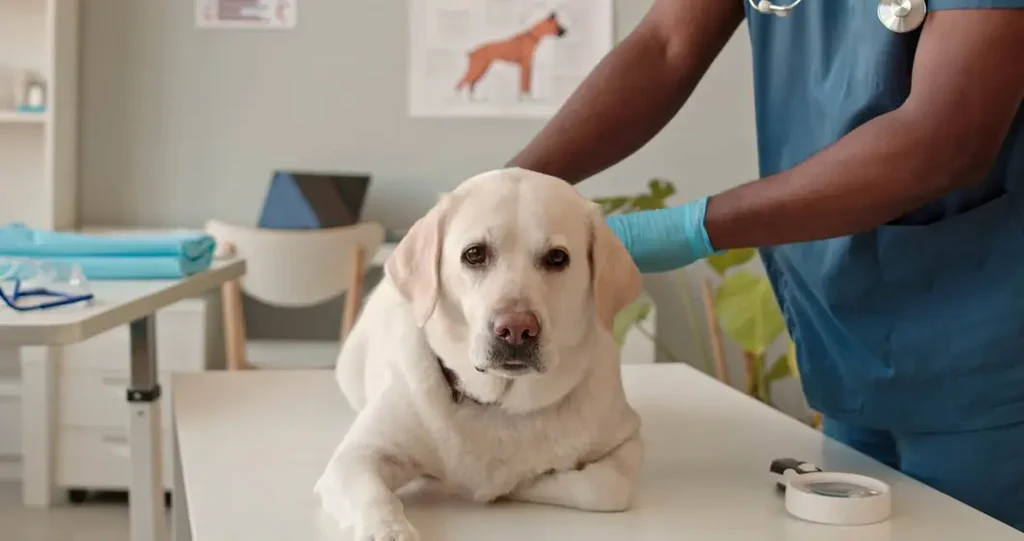
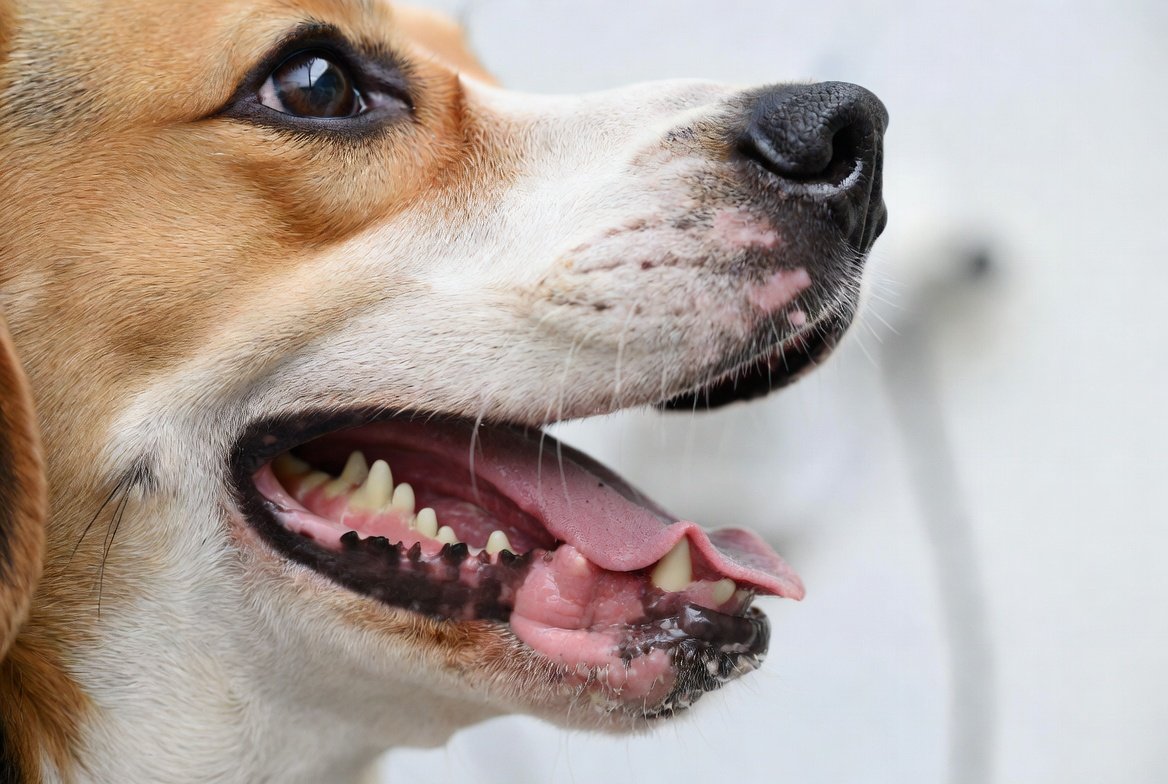
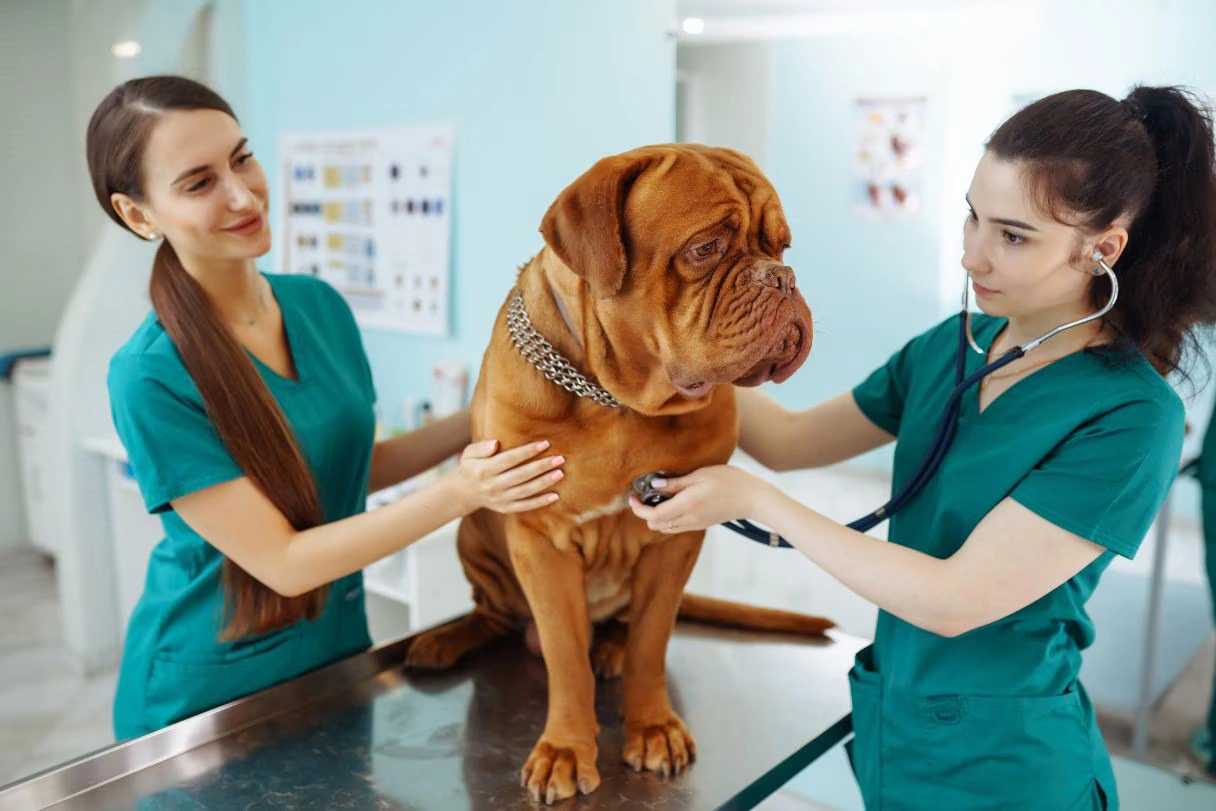
If your dog shows signs of being sick, you should have it checked by a veterinarian. When the vet sees your dog, they will conduct a physical exam as well as gently look inside its mouth or throat area. Further, the evaluation to diagnose a dog tumor in throat would be done by the following diagnostic procedures:
Imaging Tests: To diagnose a mass in the neck or throat of a dog, imaging such as x-rays are performed of the neck or chest area to help identify if there is a mass and if it is spreading to the lungs or not. The vet may also recommend an ultrasound or a CT to determine the size and location of the mass.
Endoscopic Examination: The endoscope is small enough that it can be used under anesthesia to visually inspect the dog tumor in throat directly.
Biopsy and Laboratory Testing: A biopsy provides the most definitive means of diagnosing a dog tumor in throat. A tissue sample from the tumor, along with the laboratory reports, helps analyze whether the dog tumor in throat is malignant or benign. This guides your veterinarian’s treatment recommendations for your dog. A blood test may also be done to evaluate your pet’s overall health status and to determine if your pet is healthy enough to undergo a surgical procedure or not.
Treatment Options for Dog Tumor in Throat
There are various treatment options available for a dog tumor in throat. A veterinarian will take into account the type of tumor, the size and stage of the tumor, and the overall health of your dog while determining treatment options. The dog tumor in throat may be completely removed, and your dog may be able to breathe or swallow better due to less obstruction from the tumor. This type of pet surgery will require well-developed surgical planning as well as a qualified veterinarian. Rather than surgery, the following could also be possible treatment options for a dog tumor in throat:
Radiation Therapy
When complete surgical removal is not an option, or if cancerous cells may still be present, radiation therapy may be suggested by the vets. It uses high-energy, focused beams of radiation to either reduce the size of the dog tumor in throat and destroy tumor cells, while causing as little injury to surrounding tissues as possible.
Chemotherapy
Chemotherapy may be offered for aggressive or metastatic cancers. Chemotherapy uses specific medications that are designed to block or kill rapidly dividing cells. Side effects can occur. However, in general, dogs tolerate chemotherapy much better than humans. Your veterinarian will explain the possible benefits and drawbacks associated with chemotherapy prior to initiating chemotherapy for your dog.
Palliative Care
For instances when you cannot cure a dog tumor in throat, you will be advised to pursue palliative care for your pet. Palliative care is focused on providing comfort and enhancing the quality of life for your pet. It may include managing pain, anti-inflammatory therapy, and dietary changes as recommended by your veterinarian to make swallowing easier.
Supporting Your Dog During Recovery
While your dog is undergoing extensive treatment and will require someone to watch them while at the vet, there are many licensed pet boarding facilities that offer animal medical supervision and care.
Regular cleaning and grooming of your pet may help to keep your pet comfortable while they recover. The area around your pet’s face and neck may become irritated with drooling or difficulty eating. So, during recovery, soft food or blended food may ease your dog’s ability to swallow.
You should also pay attention to any changes in your dog’s appetite, difficulty breathing, or swelling in your dog’s body while they recover, and contact your veterinarian when any of these symptoms occur. Evidence of your dog’s recovery will be seen during routine follow-up visits with your veterinarian. This will provide your veterinarian with an opportunity to monitor whether or not your pet has made any improvements or changes and make necessary adjustments for your pet’s recovery.
When to Seek Immediate Veterinary Care
If your dog has difficulty breathing suddenly, feels extremely tired or lethargic, or cannot swallow, you should take your dog to the vet as soon as possible. Throat obstructions can lead to death within a short time. As a pet owner, you always know best about how your dog normally behaves. If your dog is showing any symptoms that are unusual or persist, you should seek help from a veterinarian.
Final Thoughts
A dog tumor in throat can create a difficult scenario for both the pet and their owner. With advances made in veterinary medicine, many dogs have a good chance of completely recovering from this condition and are able to continue a happy and healthy life. As soon as you notice any symptoms associated with a dog tumor in throat please contact your veterinarian for an examination and proper treatment.
You can ensure that your dog receives quality care from an experienced veterinary staff, such as those at Park Hills Animal Hospital, by working closely with them. They will provide you with quality, individualized care and continued support through all phases of diagnosis and treatment.
FAQs About Dog Tumor in Throat
Are throat tumors in dogs always cancerous?
A dog tumor in throat is not always malignant (cancerous), some may be non-malignant (benign), such as polyps, while others will require more aggressive treatment (malignant)
What are the first signs of a dog tumor in throat?
There are many signs that there is a dog tumor in throat, such as having difficulty swallowing, constantly coughing, making noise when they breathe, losing their voice, drooling, or losing an unknown amount of weight.
Can a dog survive a throat tumor?
The type, size, location, and stage of the dog tumor in throat, along with early detection and appropriate treatments, are the main factors in determining whether or not your dog will survive.
Is metastasis common with throat tumors in dogs?
If the dog tumor in throat is cancerous, it can metastasize to other areas in your dog’s body. These would include your dog’s nearby lymph nodes and the lungs. An imaging test will determine both the presence and where there may be cancer in your dog’s body.
How can I reduce the risk of serious complications?
Ways to decrease the potential for complications are through regular visits with your veterinarian, quickly addressing any unusual symptoms, feeding your dog a balanced diet, and providing any necessary treatments to your dog.