Heartbeat is one of the health indicators. It silently represents the health condition of your dog. Pet owners, while monitoring other vitals, often miss noticing their dogs’ normal heartbeat, which makes it difficult for them to differentiate between their dogs normal heart beat and one with serious concerns. So, understanding the breathing patterns of your dog will help you to make health decisions about your dog on time. This blog will help you know about your dogs normal heart beat.
What Is Considered a Normal Heart Rate in Dogs
The normal heart rate of a dog varies between 60 and 140 bpm. Typically, the smaller dogs have a faster heart rate as their bodies are in the developing stage, whereas the adults have a normal heartbeat. A dogs normal heart beat really depends on its age, size, and activity level. Whenever your dog will havae an high intensity exercise, the dogs normal heart beat will rise, and then after some time it returns to normal once the dog is calmed and relaxed.
Size and Age Influence Heart Rate
The size and age of a dog are very important in determining its accurate heartbeat, i.e., it varies. Small dogs or puppies, such as toy dogs, likely have a higher heartbeat. It is usually near 140 bpm in normal states, whereas the large or adult dogs, such as working dogs, have a normal or slower heart rate. The dogs in their late stages of life often have a slower heartbeat that is completely normal.
Monitoring a dog’s heartbeat is important when it undergoes any pet surgery. It helps the pet owners to understand whether there is a need for medical assistance or not.
Monitor a Dog’s Heart Health At-Home
Monitoring a dog’s heartbeat on a regular basis provides a pet owner with a clear understanding of a normal and a pathological heartbeat. You can evaluate your dog’s heartbeat by placing your hand on its heart. You should place your hand on your dog’s chest to locate the heart and note the heartbeat. It can also be assessed alternatively by gently pressing on the inner thigh. Here is a major artery located. You can also assess the heartbeat from here.
Once the heart or the major artery is located, you will have to note the time for about 15 seconds and count the beats in between. Once you have the number of beats in 15 seconds, multiply it by 4, and you will have the exact heart rate in bpm. You should always calm your pet, and then monitor its heartbeat, as it will reduce the risk of measurement errors.
What Determines a Dogs Normal Heart beat
A dog’s heartbeat can be affected by various factors. These may be health, environmental, or lifestyle factors. These factors play an important part in improving or destroying heart health. The emotional state of the dog can influence its heart rate. Temperature changes and the physical performance can also increase or decrease the dogs normal heart beat. The following are some of the factors that might influence a dogs normal heart beat:
Stress and Anxiety: The mental state of a pet can be influenced by some environmental and behavioral issues. Loud noises can make the dogs uncomfortable sometimes. This can lead to stress or anxiety in them. Unfamiliar environments, such as moving your dog to a pet boarding facility for a temporary period, can cause stress in them. Separation anxiety is also common in dogs, making it hard to leave their parents ot the caregivers. Understanding the mental stressors and removing them is necessary for the good health of your dog. Understanding the mental stressors and removing them is necessary for a dog’s well-being.
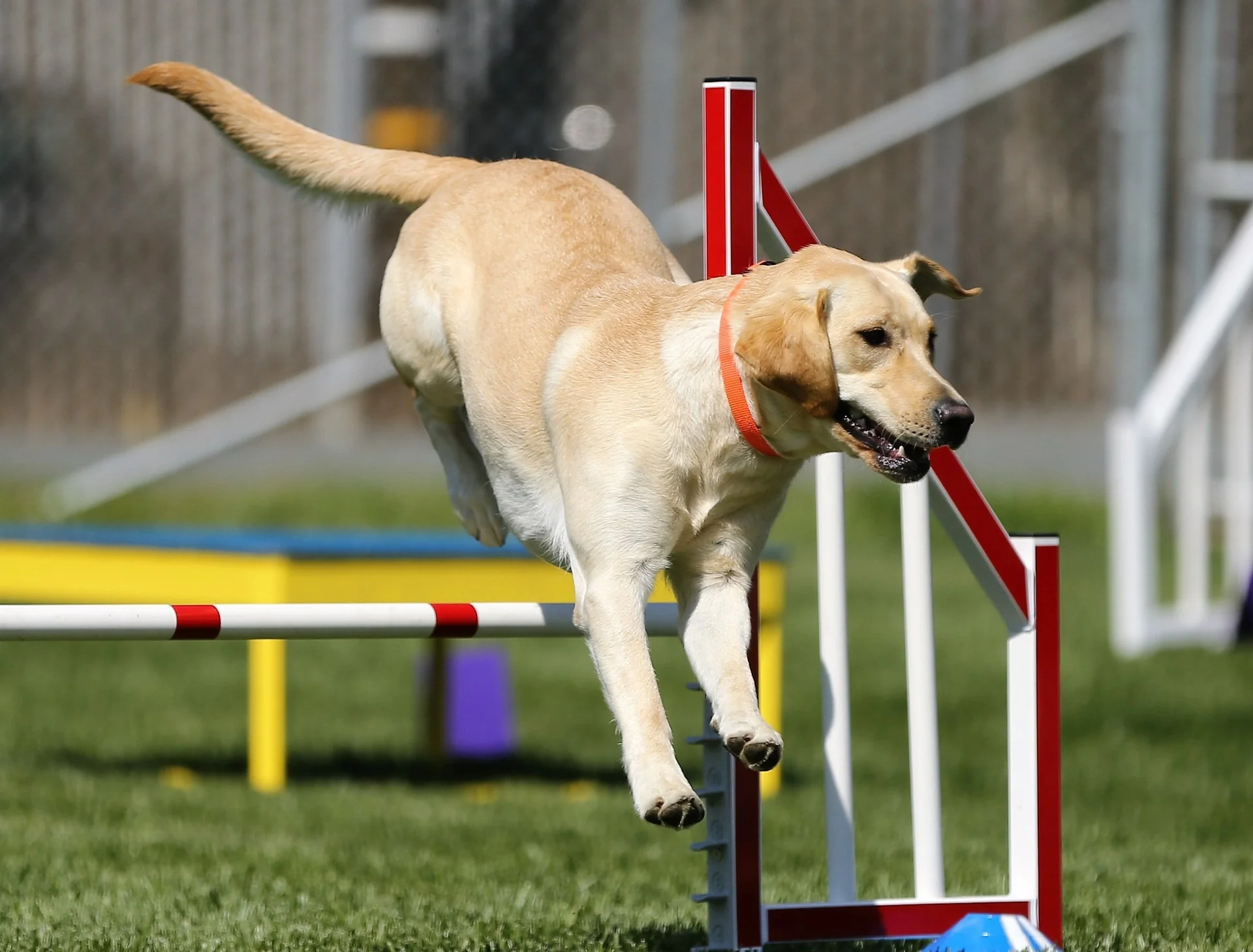
Exercise: Physical activity increases the dogs normal heart beat and inturn impacts the breathing patterns. Keeping yourself active is essential and necessary. But if you notice that your dogs normal heart beat shows fluctuation more often after having any intense activity, you should not ignore it. It can be a sign of something serious going on inside the body. Not keeping up the pace after physical exercise is a sign that your dog’s cardiac health suffers.
Irregular Heart Rates: These may indicate any underlying health issue. If you notice any signs of dehydration or frequent fluctuations in the heart rate of your dog, it might be an underlying cardiac issue. If you notice your dog’s heart pounding, i.e., a very fast heartbeat or having an extremely slow heartbeat, it should not be ignored. These signs indicate something is not well. Lethargy and difficulty in breathing can also be seen in some dogs. These should be addressed as early as possible.
When to Be Concerned About Your Dog’s Heart Rate
When you notice your dog panting or having a slower heartbeat, you should get it checked by a vet. Changes in their behavior can also be an indicator that your dog is not feeling well. When your dog’s heartbeat does not return to normal after any physical activity, or it takes a long time to normalize, it should be addressed.
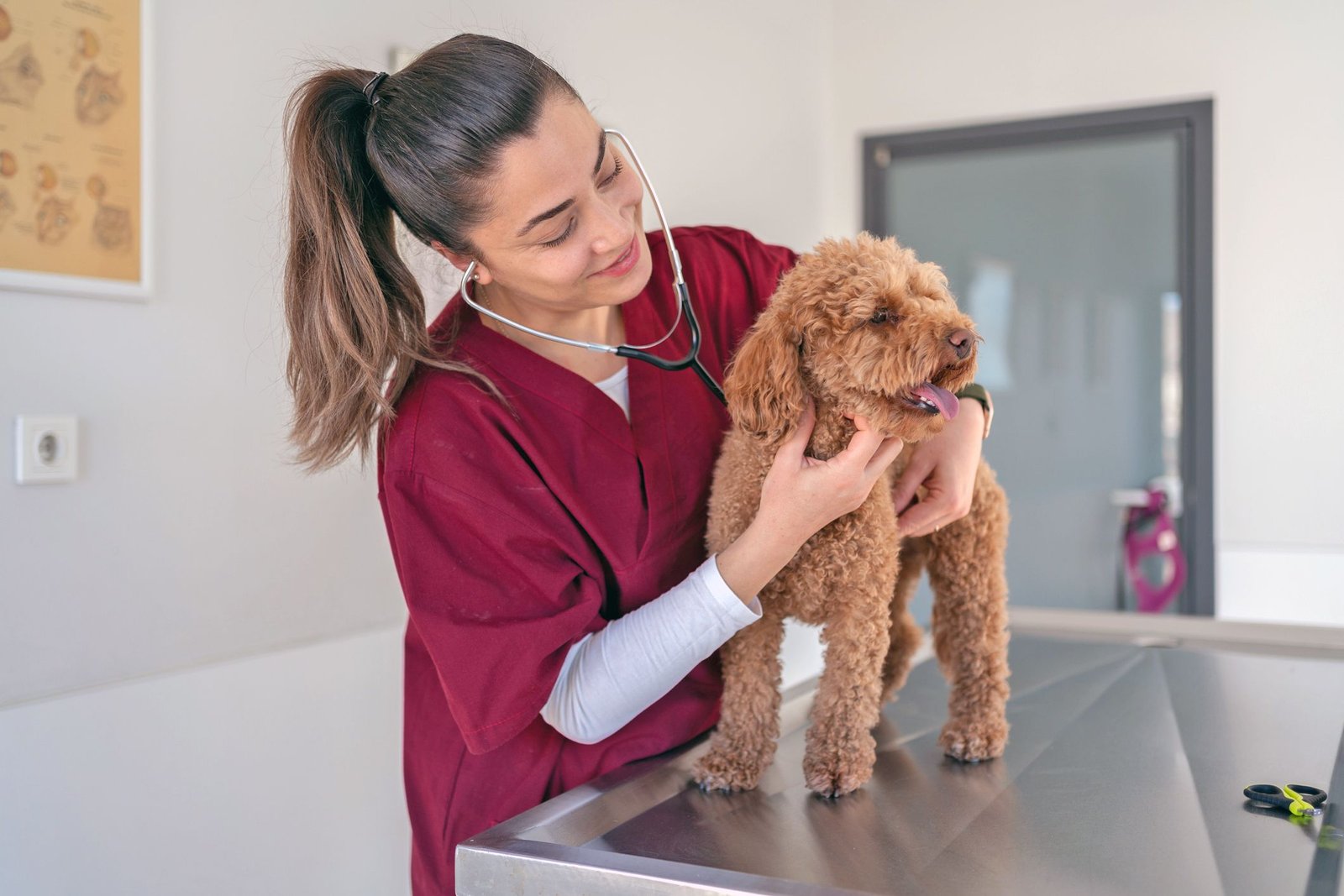
Moreover, if you notice your dog being weak, unresponsive, or dizzy, take it to a well-reputed veterinarian and have a detailed evaluation. When the heart suffers, the whole body pays off, so immediate care is necessary. A vet gets your dog checked thoroughly through routine examinations and ensures a healthy living. Regular vet visits ensure that your dog is developing normally.
Supporting a Healthy Heart in Dogs
Pet owner can practice some safe measures to ensure their dogs have a healthy heart. These measures ensure a long-term healthy heart by preventing the risk of cardiovascular diseases. These measures are given as:
- Pet Nutrition: Good food, rich in nutrients, helps to keep your dog healthy and reduces the risk of poor health. It improves cardiovascular health by promoting healthy living. When a pet owner provides their dogs with the appropriate amounts of nutrients required by their body, it helps to promote their heart and body health. A healthy diet promotes the body’s immunity in the long run.
- Owner’s Attention: Spending quality time with your dog also helps to promote their mental health, which in turn supports their cardiovascular health. Keeping your dog happy and stress-free also reduces the strain on the heart, leading to irregular heartbeats.
- Late Age Care: As the dogs age, you may see changes in their body organ functioning. It can impact their daily lifestyle. Changes in heartbeat are one of them. Usually, the heart rate slows down as age increases. You should monitor your dogs normal heart beat often to note any changes, if occurs.
Conclusion
A dogs normal heart beat varies between 60n nd 140 bpm, which should be assessed on a regular interval. Heart health is as important as the overall body’s health. Supporting your dog’s cardiovascular health not only enhances its lifespan but also improves the quality of life. Safe long-term measures keep the dog’s heart healthy and free from diseases in the long run. You can visit Park Hills Animal Hospital to get your dog evaluated. You can read more health blogs on its blogging page for improving your dog’s daily living.