
As a pet parent, you should understand the importance of proper healthcare for your dog at home. Some infections in your furry friends can be treated quickly and efficiently with simple methods, while others might become very dangerous and put their lives in jeopardy. One of the serious diseases known as Ehrlichia in Dogs, which needs to be discussed in detail since it’s common among them and requires immediate treatment. Preventive measures can ensure the prevention of Ehrlichia in dogs.
What Is Ehrlichia and How Does It Affect Dogs
Ehrlichia in dogs is the term used to describe a number of bacteria affecting canine white blood cells. As a result, they start interfering with the functioning of the dog’s immune system and cause various complications. As with any other disease, Ehrlichia in dogs passes through several stages. The symptoms it causes depend on whether it was detected early enough or not. Before discussing further, you should know first how dogs get infected and why Ehrlichia in dogs happens.
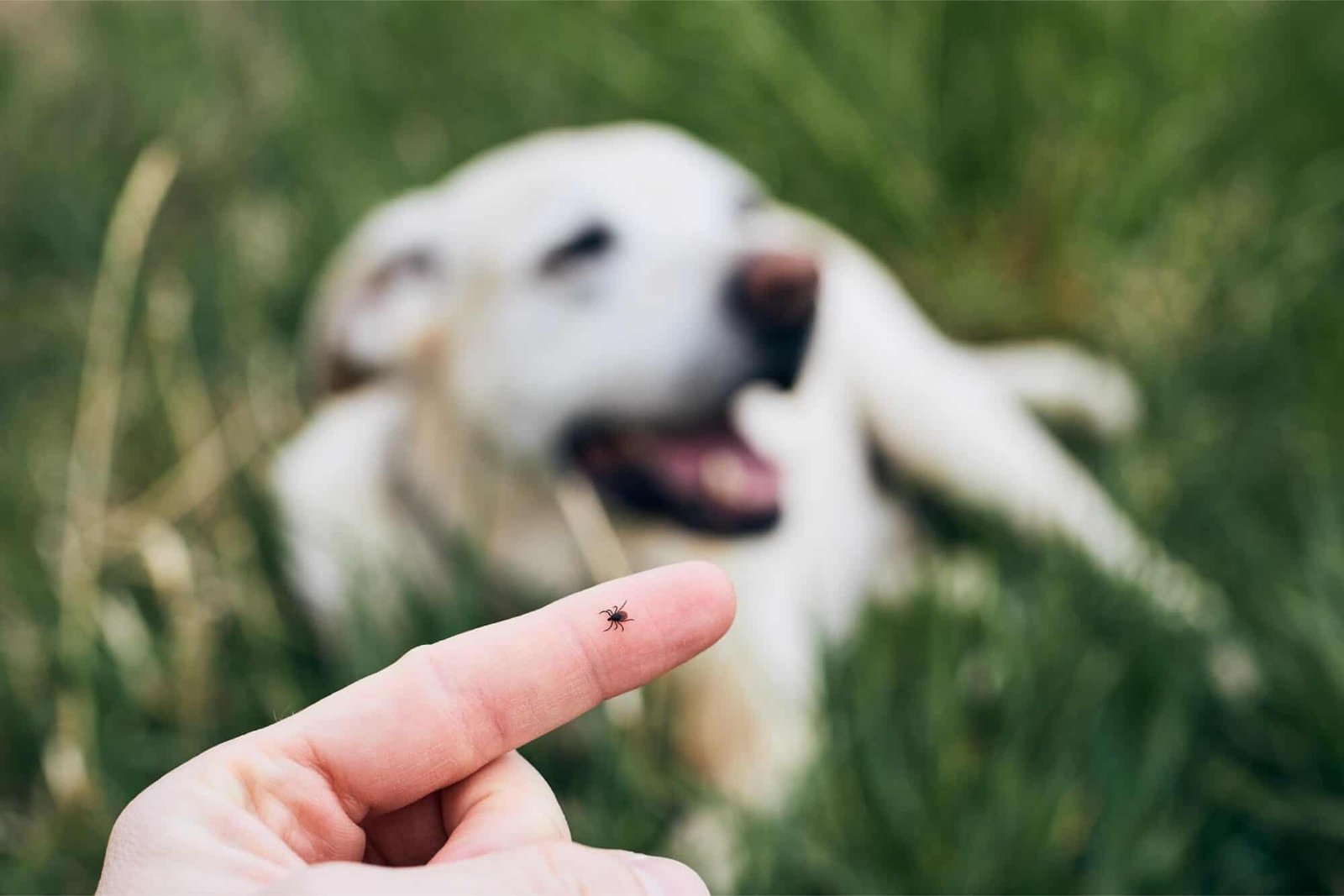
The Role of Ticks in Transmission
Ticks are carriers of bacteria that cause the infection of Ehrlichia in dogs. They transfer them into a dog’s blood when biting. Over time, these bacteria multiply in canine cells and weaken the immune system.
To be safe from ticks, it’s necessary to keep your dog away from places with large numbers of ticks or to make sure you regularly check your pet for pests. Services such as pet grooming will certainly help in the prevention of Ehrlichia in dogs.
Early Signs That Should Not Be Ignored
During the first stage of Ehrlichia in dogs, symptoms are usually not too apparent, yet they can manifest themselves anyway. Fever and lethargy, along with decreased appetite, become evident in dogs with Ehrlichiosis. Some dogs might lose weight and get swollen lymph nodes. As with many other diseases, paying attention to your pet’s behavior is crucial during the period to detect problems early. Also, good pet nutrition plays an important part in keeping the canine healthy while suffering from Ehrlichia in dogs.
Advanced Symptoms and Complications
In the advanced, second stage, your dog gets used to living with the disease and starts to work normally again despite the presence of pathogens. Ehrlichia in dogs might continue developing and reach its chronic phase, when the following symptoms become apparent.
The dog may have difficulty breathing, have pale gums, and recurrent nosebleeds. In some cases, joint pain and neurological issues (uncoordinated movement) may also be present in dogs with Ehrlichiosis. When all this happens, you should contact Park Hills Animal Hospital to receive appropriate assistance for your dog. Sometimes it will require a complex intervention, such as the need for pet surgery, depending on the disease presentation and severity.
Diagnosis of Ehrlichia in Dogs
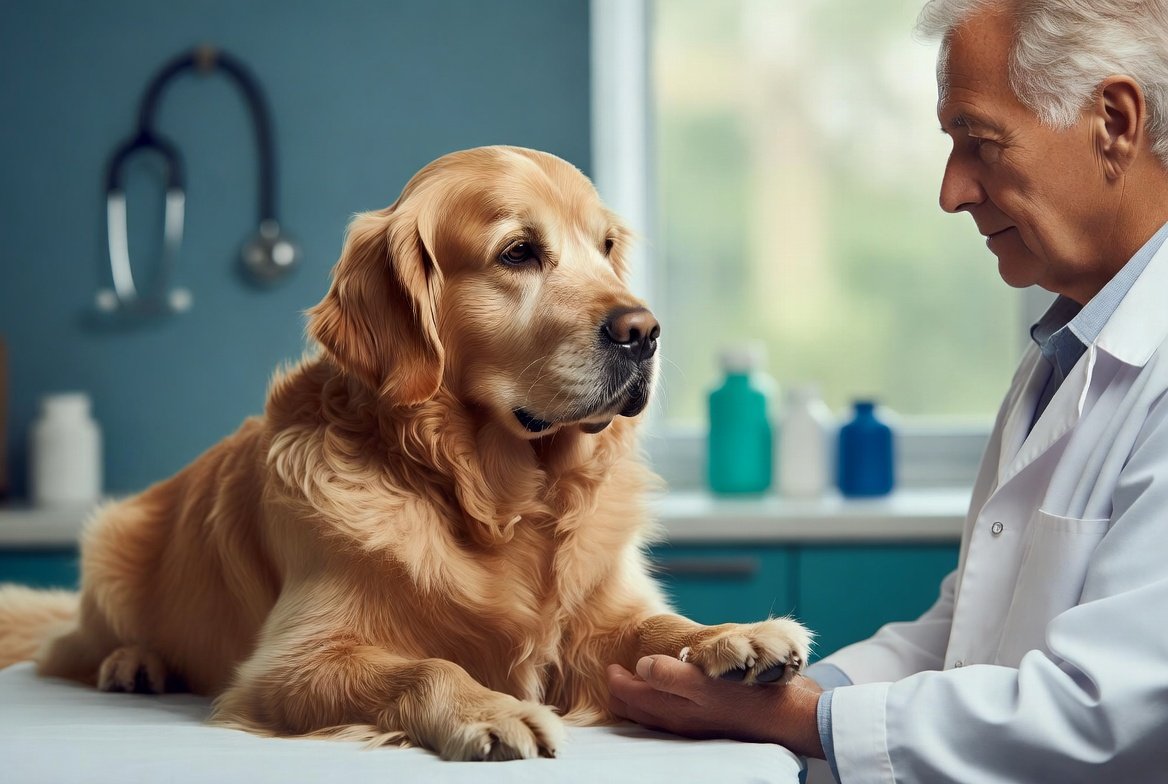
Ehrlichia in dogs is detected with the help of blood tests. It shows the presence of bacteria or certain antibodies in the blood. It also represents the stage the disease has progressed to. This diagnostic measure helps vets to take appropriate measures to ensure the dog’s well-being.
Early discovery of Ehrlichia in dogs means more chances of recovering from it. In some instances, pet parents wait too long, and the disease becomes chronic. It also plays a part in health maintenance and early screening of Ehrlichia in dogs if you adopt one from a pet boarding facility or any adoption center.
Treatment Options and Recovery Process
As with any other type of infection, Ehrlichia in dogs requires the use of special antibiotics. These medications help reduce the disease symptoms and promote the dog’s well-being.
In advanced cases, other treatment methods might be required to help a dog feel better. They include administering fluids to your pet or a blood transfusion. Moreover, if the infection reaches the chronic phase, your pet will need some sort of long-term care and treatment. In some cases, pet surgery may also be suggested by a vet in order to treat Ehrlichia in dogs.
Preventing Ehrlichia in Dogs
Preventive measures that can help protect your dog from Ehrlichia. For this purpose, you should first ensure that your dog doesn’t come across ticks that carry the pathogens of Ehrlichia. Therefore, consider buying certain products from your local pet shop, which will protect your furry friend from ticks. Also, try to keep your yard clean to reduce the likelihood of encountering these pests. Moreover, grooming measures will help a lot in reducing the chances of Ehrlichia in dogs.
Routine Veterinary Checkups
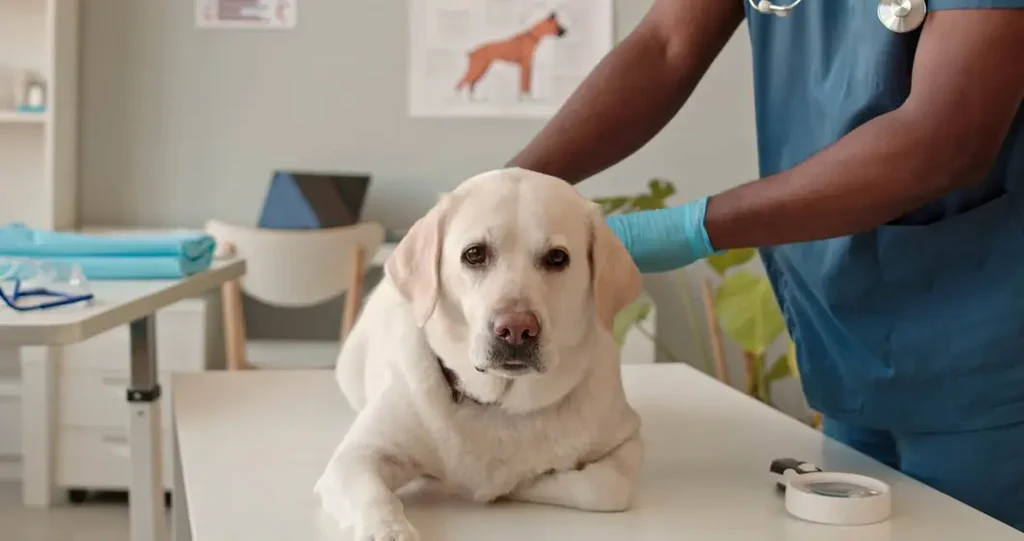
Regular visits to veterinary clinics are also necessary in terms of preventive treatment for Ehrlichia in dogs. Your pet will be thoroughly examined by doctors who will detect any health problems. By this, you’ll be able to improve your dog’s overall health significantly.
Long-Term Outlook for Dogs with Ehrlichia
The long-term prognosis of your dog will mostly depend on the stage of the disease it currently has. In fact, if caught at an early stage, this problem will go away pretty easily and without much trouble. However, in advanced cases, your dog might continue suffering from this issue in the future.
Recovery in Early and Late Stages
At the beginning stage of Ehrlichia in dogs, there’s nothing to be afraid of because recovery will go smoothly. After the treatment, the body’s functioning starts properly again, and your dog begins gaining its energy back and eating properly, i.e., recovery is easy from this stage of the disease.
At the chronic stage of disease, things can get out of control. The symptoms of the disease become more prevalent. In this case, dogs will need constant treatment and medical supervision to stay healthy.
Conclusion
Ehrlichia in dogs is a common tick-borne disease. Timely management of the disease can save your pet’s health and allow it to recover quickly. Ensure the healthy well-being of your dog by taking proactive measures and keeping your dog safe from such diseases. Professional consultation also plays an important part in disease prevention in dogs. You can read more dog care-related health blogs on the blog page of Park Hills Animal Hospital.