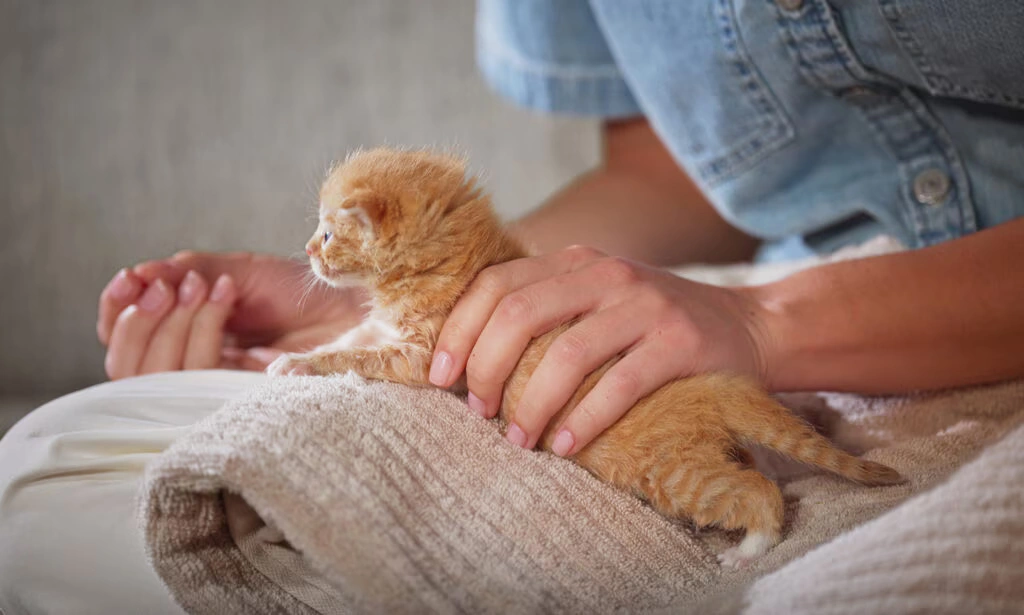
Having a new breed of kittens is exciting. These little ones have fragile early lives. During their first few weeks of life, kittens are at risk for developing a condition known as fading kitten syndrome. If you can spot the signs of fading kitten syndrome earlier and take steps to prevent the condition from developing, you will have a better chance of saving your kitten’s life.
This guide will help every cat owner or breeder by providing the knowledge they need to understand the causes of fading kitten syndrome, what signs to look for, and the steps every cat owner or breeder can take to save the lives of their new kittens.
Understanding Fading Kitten Syndrome
Fading kitten syndrome describes a group of symptoms in which newborn kittens suffer a rapid decline in their health, with the majority of cases occurring within weeks after being born. Fading kitten syndrome is not one individual disease, but instead a term used to convey the concept of new kittens that are failing to thrive.
Kittens affected by fading kitten syndrome will often look perfectly healthy when they are born, but will slowly become weak and unresponsive as time goes on. If the weakness progresses quickly, intervention must be undertaken immediately, otherwise, kittens will be at risk of losing their life.
Why the First Weeks Are Critical
Newborn kittens rely on their mothers for warmth, food, and immune protection. In the first two to three weeks of life, new kittens are still developing important systems in their bodies, such as being able to regulate their body temperature and how their immune systems work. If any of the following systems, feeding, warmth, or maternal care, are disrupted, kittens will be put at risk of developing fading kitten syndrome.
Common Causes of Fading Kitten Syndrome
You should know that it is uncommon for kittens to fade before 4 months of age. There are several causes of fading kittens, and finding the exact cause is essential in treating and preventing the problem. The following are some of the important causes of fading kitten syndrome:
Inadequate nutrition
Newborn kittens must receive colostrum, which is the nutrient-rich first milk produced by the mother, to gain immunity from infections. If a kitten does not nurse properly, it will become weak because of low blood sugar and dehydration. So, proper nutrition is required for a kitten to avoid the risk of being faded.
Reduced body temperature
Newborn kittens are not able to regulate the temperature of their body. If the area that they are in is too cold, the kittens will lose their body temperature and become lethargic and unable to feed. It causes further health complications in kittens.
Infections and parasites
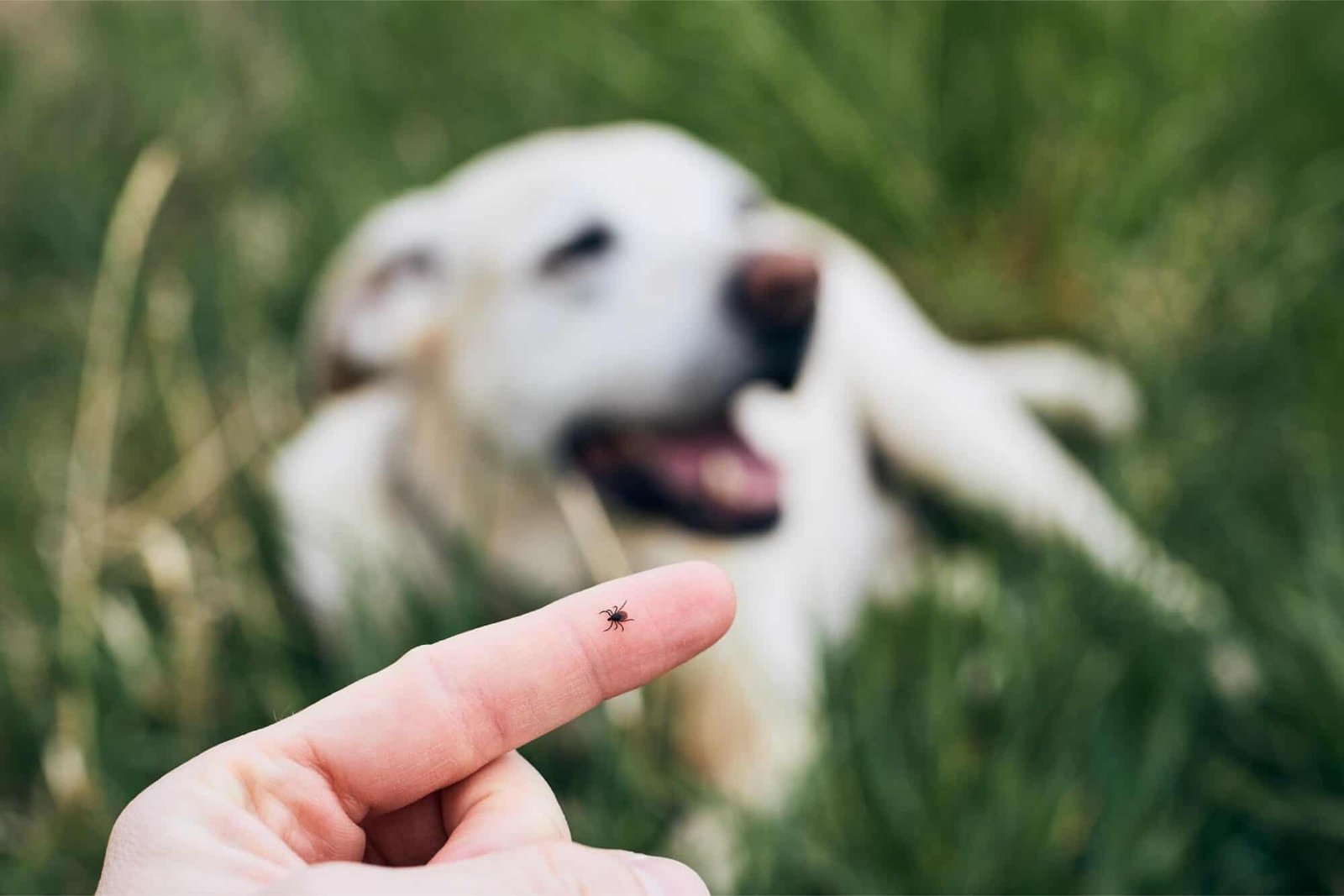
Kittens have a weak immune system, and they get infected easily. Bacterial and viral infections move from one kitten to another quickly. Parasites, such as fleas and intestinal worms, can cause young kittens to have anemia and lack energy. This weak immunity leads to a higher risk of fading kitten syndrome.
Congenital abnormalities
Kittens may be born with congenital abnormalities that are not readily visible but can interfere with the kitten’s overall health. These can impact feeding, breathing, and normal growth of a kitten.
Early Warning Signs Every Owner Should Notice
The sooner you notice the fading kitten syndrome symptoms, the more you increase the chances of saving your pet. Fading kittens demonstrate subtle but very important behavioral changes. Healthy kittens gain weight every day due to good nursing. But a kitten with fading syndrome does not gain weight, or they may be distressed, leading to weakness and lethargy in the kittens. A fading kitten is typically abnormally quiet or may have trouble while moving from one place to another.
Moreover, such fading kitten syndrome symptoms may also include continuous crying as a usual sign of hunger and discomfort. Additionally, pale gums and labored breathing in kittens may indicate that your pet has anemia or an infection and should be seen immediately by a veterinarian.
Immediate Steps to Take if You Suspect a Problem
To protect your kitten from such conditions, immediate care is necessary. It helps reduce further complications, along with improving the present condition of your kitten. The following tips will help you manage fading kitten syndrome effectively if you suspect such signs. These are given as:
Help Keep Kitten Warm
You should use a heating pad and cover your kitten with a towel to keep it warm. The kitten must slowly be warmed to prevent it from going into shock from the drastic temperature change. So, increase the temperature slowly.
Help Feed The Kitten
You can help your kitten while feeding them with care. Making them eat slowly by hand or using any utensil. You can also call a veterinarian for advice on how to feed the kitten. The most important thing is not to feed the kitten cow’s milk because it can cause diarrhea.
See a Vet as Soon as Possible
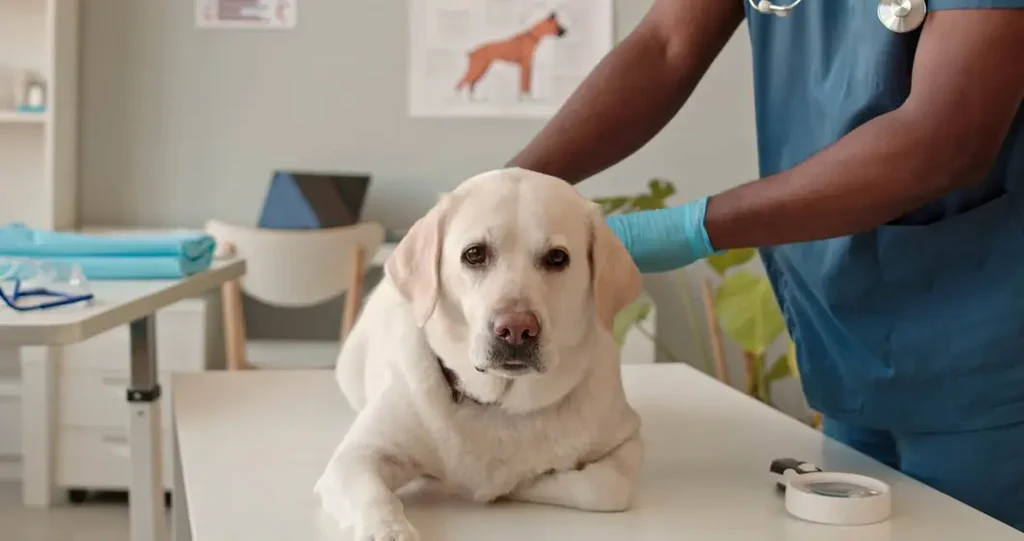
Going to a vet for a health check-up may help identify any problems with infections, dehydration, and any congenital problems. Your kitten’s vet prescribes it antibiotics, fluids or glucose depending on its presentation.
Preventive Strategies
The preventive measures will not only reduce the risk of fading kitten syndrome but also help in reducing the risk of other diseases as well. You should keep your kitten’s nesting area neat and clean. Try to keep it warm and comfortable. It will help reduce the risk of bacterial infections. You should note the weight of your kitten regularly to ensure it is in the normal range according to age.
A pregnant or nursing cat should be provided with proper nutrition and regular veterinary care. Vaccination and parasite control prior to pregnancy greatly reduce the risk of infection in a newborn. Moreover, watch for competition between the kittens to ensure that all kittens are able to nurse from the mother. Kittens can also be rotated when feeding in order to ensure that everyone has equal access.
Veterinary Support For Fading Kitten Syndrome
A veterinarian provides an early examination of the kittens to check for any potential health problems. If these risks are not discovered early, it could put their lives at risk. For this purpose, if a pet surgery is required, vets are there to perform it too for the betterment of the mother cat and kittens. The veterinarian also provides help for scheduling vaccinations, controlling parasites, and developing an emergency response plan.
Conclusion
The key components to preventing fading kitten syndrome are regular monitoring of kittens, providing appropriate nutrition, maintaining a clean and warm environment for the kittens and establishing a relationship with your veterinarian. It is not possible to prevent fading kitten syndrome in all cases, but the pet parents or the caregivers who provide informed, attentive care to kittens can reduce the chances of their pets developing such health conditions. Additionally, you can visit Park Hills Animal Hospital for a detailed health checkup of your kitten if it presents such symptoms, or as early care.
FAQs
What is meant by fading kitten syndrome?
This syndrome occurs in newborn kittens. These undeveloped kittens are at a great risk of being fatal due to this disease. It is a serious health condition that impacts the kitten’s life not only in the early stages of life but also later in life.
At what age are kittens most at risk?
Fading kitten syndrome is a condition of the early stages of a kitten’s life. Fading kitten syndrome age is usually in the first two to three weeks of a kitten’s life. Kittens have a great risk of developing this condition in the early stages because of their weak, developing immune system.
Can fading kitten syndrome be treated?
Yes, if it is diagnosed early enough, it can be treated in various ways, such as warming the kittens, providing additional food, and hydration. They can also be treated by supporting medications from a veterinarian, depending on what the underlying problem is.
Is the prevention of fading kitten syndrome possible?
Yes, you can prevent fading kitten syndrome in your kitten by taking some preventive measures. You can keep them in a warm, clean environment. Monitoring their weight regularly is also important. Ensuring that they are nursed adequately by their mother is also essential in preventing fading syndrome in kittens.
Do orphaned newborn kittens develop fading kitten syndrome?
Yes, they can. These kittens are at an increased risk of developing fading kitten syndrome. It is because they lack warmth and nutrition. These kittens do not receive maternal immunity, so they are weak and more prone to getting such infections.