
Puppies are naturally curious as they explore their environment, sniffing, licking, and chewing just about everything they encounter. Although this behavior is healthy for their development, puppies are also very prone to developing digestive problems. One of the more common problems with them is gastroenteritis in puppies. By learning what causes gastroenteritis in puppies and how to prevent it, you will be able to keep your puppy healthy and comfortable.
What Is Gastroenteritis in Puppies
Gastroenteritis is a term that refers to irritation and inflammation of the gastrointestinal tract. Puppies may present with vomiting, diarrhea, decreased appetite, abdominal pain, and general lethargy. In fact, mild digestive problems can cause dehydration in puppies fairly quickly. So, it is important to identify signs and symptoms of gastroenteritis in puppies early and to also know how to prevent it.
Infectious Causes That Commonly Affect Puppies
Several infectious pathogens can affect the puppy’s gut lining and irritating. Some of the following infectious causes are given that can commonly affect puppies and lead to dog gastroenteritis. Understanding them better will help you to early diagnose and manage these infections. These causes are given as:
Viral Infections
Infections caused by Viral infections are one of the major causes of dog gastroenteritis. The most serious virus that can cause gastroenteritis is the canine parvovirus. It infects some of the fast-growing cells in the intestinal tract of puppies. Puppies that become infected with parvovirus could have severe diarrhea and rapid dehydration. Puppies that are not fully immunised will be at the highest risk of parvovirus infection, which ultimately causes gastroenteritis in puppies.
Bacterial Infections
Puppies can become infected with bacteria such as Salmonella and Campylobacter. These bacterial infections results in due to eating or drinking contaminated food or water or coming into contact with an infected animal. Signs of bacterial infections include diarrhea, fever, and weakness. The chance of a puppy contracting a bacterial infection is greater in places where there is a lot of dirt and overcrowding.
Parasitic Infestations
Common intestinal parasites such as roundworms, hookworms, and Giardia can cause problems with digestion for many young puppies. Parasitic infections may be picked up from their mother, from contaminated dirt, or from being around other animals that have parasites. Some signs that your puppy may have parasites are vomiting, bloody diarrhea, or weight loss.
Dietary Triggers and Digestive Sensitivity
Puppies have a developing immune and digestive system. Slight changes in pet nutrition and diet can alter their body functioning and make them prone to risk of infections and diseases. Some puppies may also become allergic to some foods, which can lead to further complications. So, understanding the value of changes in dietary patterns and digestive sensitivities is important. It is described as follows:
Suddenly changing your pup’s Diet
Young dogs have sensitive digestive systems. A gradual change in their diet can impact their health greatly. So, when you change their diet or introduce new foods to them, whether they are commercial pet foods or home-made ones, try to change gradually. It will help your pup to adjust to a new diet. And if they show any signs of food allergies, you can manage them in a timely manner.
Ingestion of Inappropriate Items
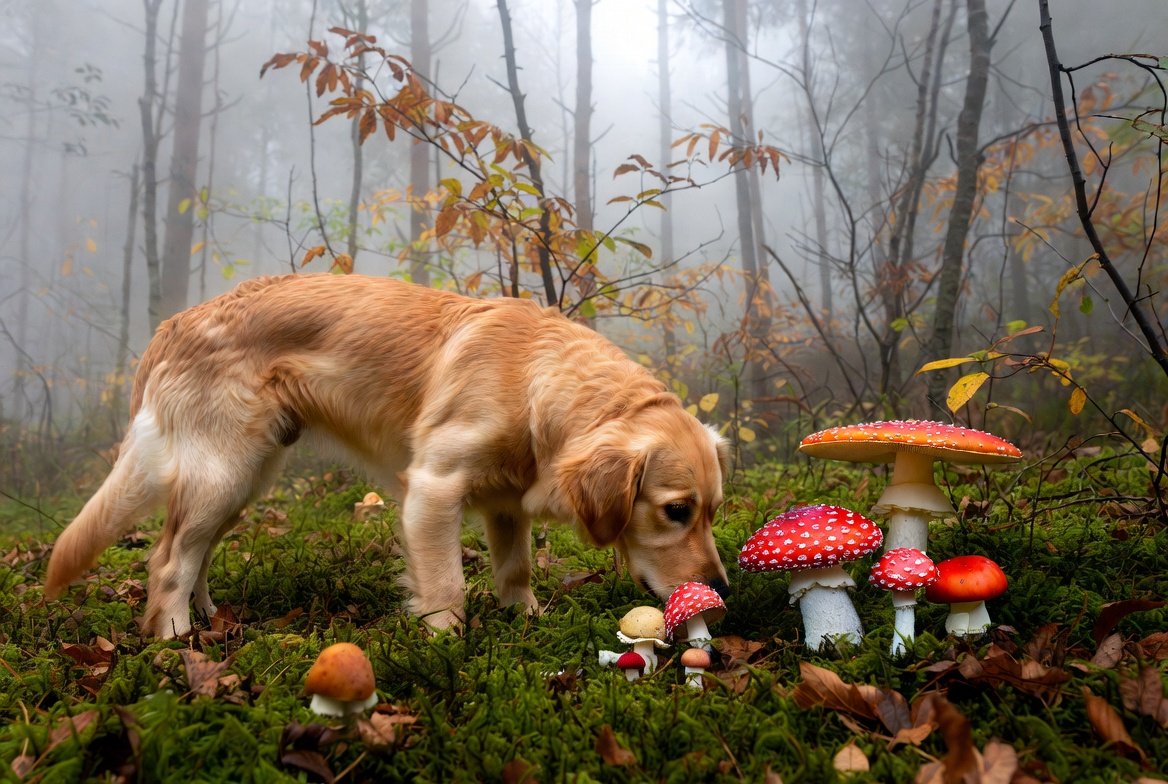
Puppies have a natural behavior of chewing on lots of different things. These may include chewing toys, plants, garbage, or even small objects. These items not approved for canine consumption can cause stomach irritation, leading to an intestinal blockage. Some foods as spicy and fatty human food, can cause gut irritation in puppies. These spices can lead to inflammation of the gut, leading to gastroenteritis in puppies.
Food Intolerance or Allergies
Some dogs are sensitive to food items, especially some proteins or grains. Some very young puppies may not develop the same sensitivity, but if allergies or food intolerances are quickly identified and treated properly, it reduces the risk of gastroenteritis in puppies.
Environmental and Stress-Related Factors
Stress affects the digestive system significantly. Moving to a new house, being separated from their litter mates, having a new routine, and being around animals that they have never seen before. All these factors can cause an interruption in the normal digestion of puppies. Stress also lessens the immune system function in puppies and increases their susceptibility to infections such as gastroenteritis in puppies.
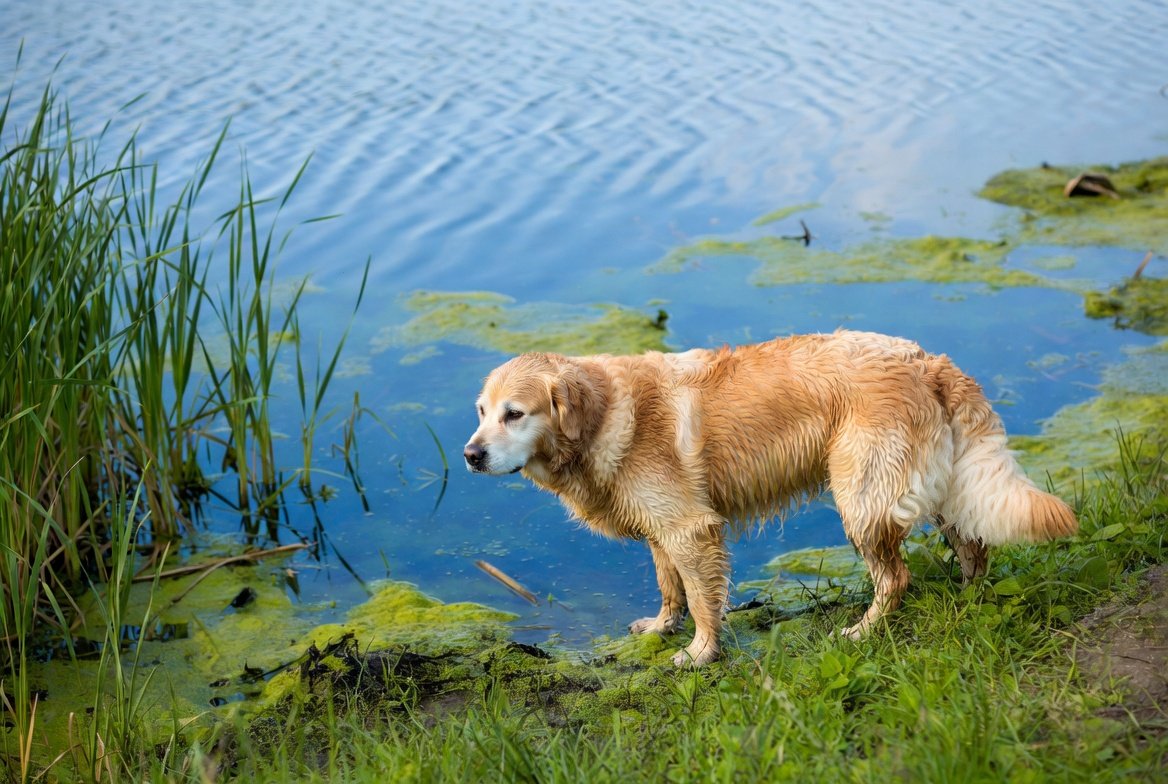
Unsanitary living conditions, especially in pet boarding facilities, can also contribute to stress in puppies or dogs. Moreover, being in contact with contaminated bedding, sharing a bowl or buckets of water, and having outdoor areas that are not clean may all contribute to increased exposure to pathogens that are hazardous to health. Gastroenteritis in puppies can result from all of these environmental factors.
Prevention of Gastroenteritis in Puppies
Preventing gastroenteritis in puppies is essential yet necessary for a healthy, risk-free life ahead. Some of these preventive measures effective for gastroenteritis in puppies are given below:
Scheduling Vaccinations
Vaccinations are important in preventing infections, such as gastroenteritis in puppies. Following the recommended vaccination schedule from your veterinarian can help decrease the likelihood of a puppy becoming seriously ill.
Practice Safe Feeding Habits
Feeding your puppy a balanced, nutritious diet will provide your puppy with enough energy, vitamins, and minerals necessary for them. When you want to change your pet’s diet or add a new one, try to add it gradually. It will help the adjust to the new dietary changes.
Implement Regular Deworming
Having your puppy dewormed regularly and having the stool sample checked for intestinal parasites will allow you to detect and eliminate worms early on. Your veterinarian can develop an appropriate deworming schedule based on your puppy’s age and lifestyle, along with its risk for developing intestinal worm infections.
Promote Clean Living Conditions
Wash your puppy’s food and water bowls daily. Make sure that you keep your puppy’s bedding clean. Promptly dispose of stool to reduce the risk of contaminating the environment. Keeping your puppy from coming into contact with unknown dogs until after it has completed the full vaccination program will also decrease the risk of being exposed to dog gastroenteritis.
Monitor for Early Warning Signs
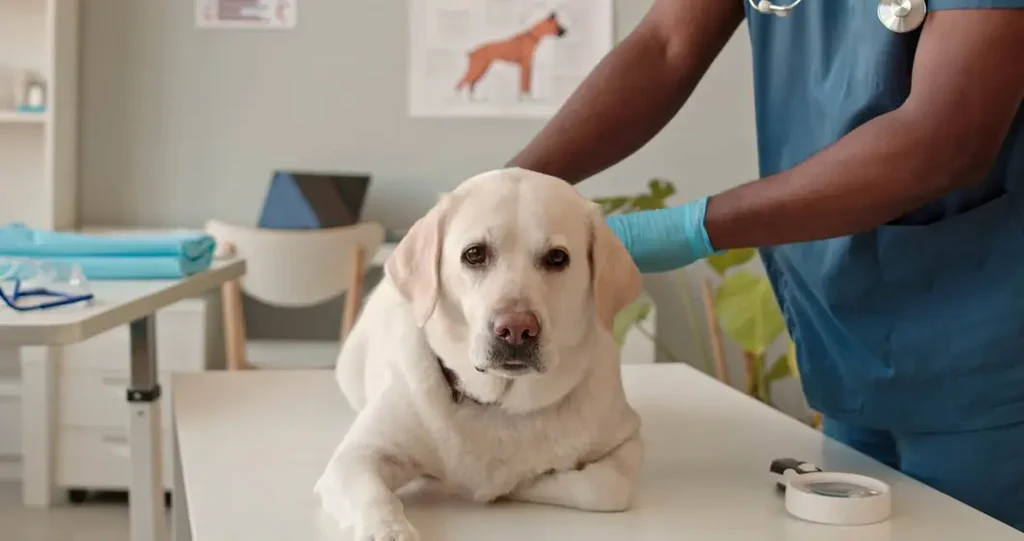
Timely recognition of unusual behavior, vomiting, and diarrhea will also help avoid the risk of gastroenteritis in puppies and prevent further complications from occurring. If these symptoms do not go away in more than 24 hours, or if you see weakness and blood in the stool, contact your veterinarian immediately for care. Early Prevention strategies not only reduce the risk of gastroenteritis in puppies but also reduce the risk of complex procedures like pet surgeries occurring.
Supporting Long-Term Digestive Health
Gastroenteritis in puppies can be minimized with sufficient care and management practices. Keeping your environment clean, feeding your dog a healthy diet, and making sure your puppy stays current on all vaccinations will help reduce the chances of your puppy developing a digestive illness. Preventive measures or early intervention will also help ensure that your puppy is healthy when they grow up and have a strong foundation of lifetime well-being.
Conclusion
Many cases of gastroenteritis in pups can be prevented if you know what causes gastroenteritis in puppies, as well as the prevention methods. Routine vaccinations and a healthy diet reduce the risk of gastroenteritis in puppies. Additionally, closely monitoring your pup will help indicate the signs or possibility of developing gastroenteritis. This close monitoring will help to avoid any extreme discomfort or potentially life-threatening medical issues for your pup.
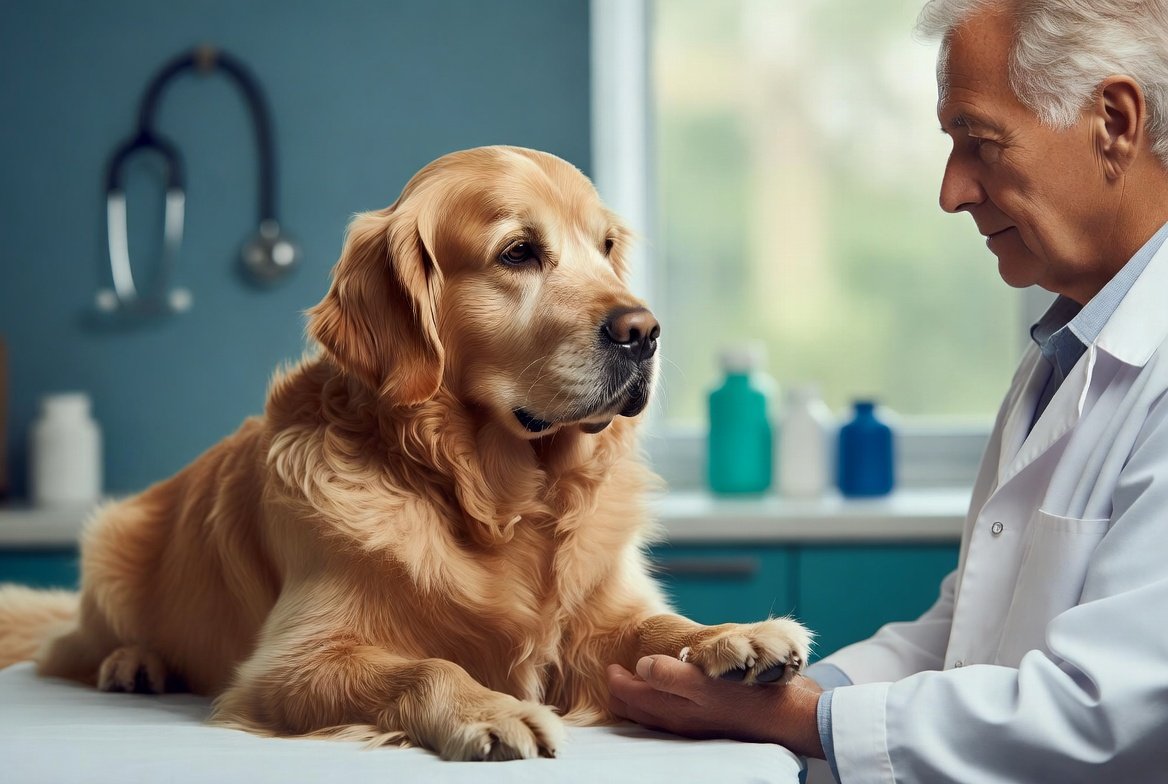
You can report to Park Hills Animal Hospital if your pups experienced any signs of discomfort or infection. Our qualified vets will assess your pup and prescribe medical treatment accordingly. Remember, good care during the developmental period helps lead to a responsibly raised, healthy, happy, fully developed adult dog.
FAQs
How does gastroenteritis in puppies present?
Common symptoms of gastroenteritis in puppies can include vomiting and diarrhea, as well as a lack of appetite, lethargy, and abdominal pain. If you note these signs and symptoms in your pups, you can seek medical help.
What causes gastroenteritis in puppies?
There can be a variety of causes of the gastroenteritis seen in puppies, including viruses, bacteria, parasites, abrupt changes in diet, ingesting an object that has caused harm to the dog, or being under stress. These all could be possible causative factors of gut infection in puppies or dogs.
Is gastroenteritis life-threatening for puppies?
A puppy with mild gastroenteritis will usually be okay. However, if a puppy has a severe case of gastroenteritis caused by a virus such as parvovirus, treatment must be done promptly, or the puppy may die.
How can I prevent gastroenteritis in my puppy?
Regularly checking vaccinations to be on schedule, deworming your pet regularly, and practicing safe feeding habits will help protect your pup from infections. Moreover, maintaining a clean environment and providing opportunities for reducing your pet’s stress levels are also important.
When should I see a veterinarian for my puppy?
If vomiting or diarrhea has happened more than once and has lasted longer than 24 hours, you should contact a veterinarian. If blood has been found in the stool, and if your puppy is showing signs of weakness or dehydration, you should seek medical help for your puppy.