The selection of a pocket pet is thrilling. It is common to find in many families comparing Guinea Pigs or Hamsters before deciding. Both animals are cute and require easy care. They are quite different in their actions. Some pets are attention seekers and others like peace. This article will examine the major differences between Guinea Pigs or Hamsters for making the right decision in selecting the pet that best suits your household and way of life.
Fundamental Differences between Guinea Pigs or Hamsters
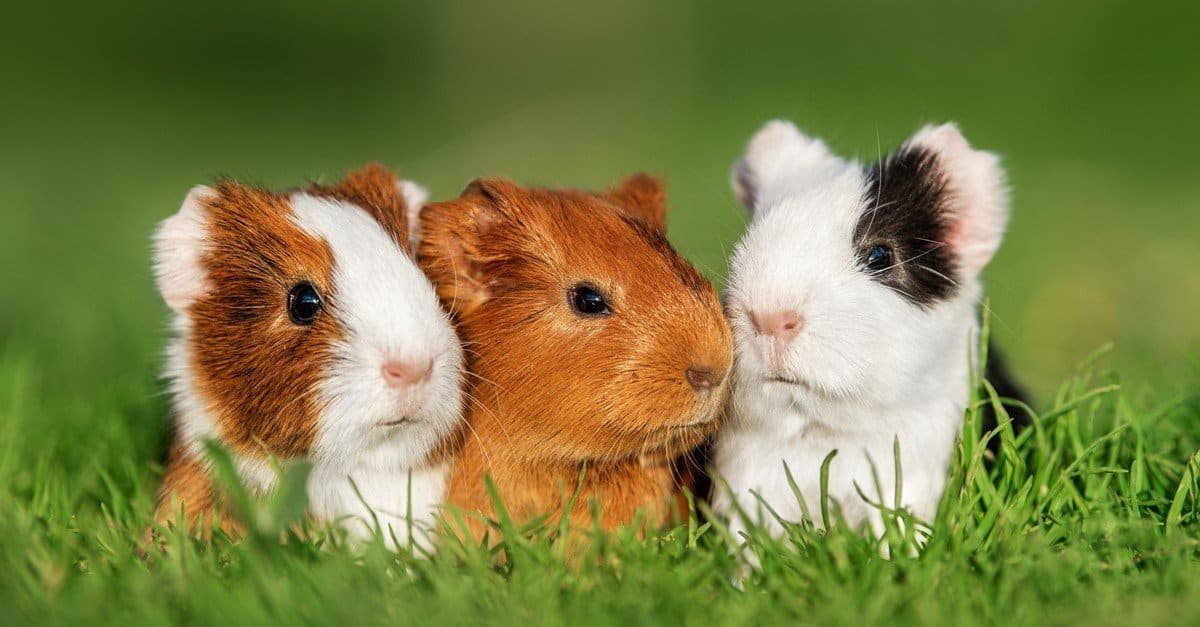
When you want to adopt a pocket pet, you may compare Guinea Pigs or Hamsters. These animals appear similar at first but they are distinct. Guinea pigs are bigger in size. They have a longer lifespan. Hamsters remain active and small at night. Each pet’s personality and care needs are different.
Size and Lifespan
Guinea Pigs become very large as compared to hamsters. Their length usually measures 8 to 12 inches. Hamsters are small and can easily fit in small cages. Lifespan also differs. Guinea Pigs have a life span of five to seven years.
The lifespan of Hamsters is normally two to three years. The choice between Guinea Pigs or Hamsters depends on the duration for which people wish to keep the pocket pet in their family.
Personality and Temperament
The personality factor is significant when selecting Guinea Pigs or Hamsters. Guinea Pigs like being social. They soften down and react to their owners. Hamsters like being on their own. They remain on the move at night.
Other Hamsters do not like to be handled regularly. Guinea pigs are the pets of choice for families seeking a fun and social animal.
Care Requirement and Daily responsibility
Daily care is one aspect to consider when comparing Guinea Pigs or Hamsters. Both pets require food, clean cages and attention. Guinea Pigs require additional space and time for socialization. Hamsters do not need much interaction but they need a healthy environment.
Food and Pet Nutrition
Diet matters for both pets. Guinea pigs need fresh vegetables, hay and pellets that contain vitamins. Hamsters feed on seeds, grains and petty snacks. Balanced pet nutrition not only keeps animals active but also healthy. Pet owners should feed them fresh water daily and remove old food from their cages.
Space and Habitat Setup
Housing is also important when selecting Guinea Pigs or Hamsters. Guinea Pig cages should be larger due to their size. They even like moving about during the day. Hamsters need tunnels and wheels in smaller cages. Chesny bedding maintains a comfortable and safe environment.
Guinea Pig or Hamster for Child
Frequently, parents enquire about the most suitable pocket pet. Guinea Pigs or Hamsters are suitable for families. The decision is right based on the child’s age and their ability to treat pets tenderly.
Handling and Friendliness
Guinea pigs relax in soft manipulation. They like sitting on a lap and associating with their owners. During the day, hamsters are even more nervous. Many experts suggest Guinea Pigs when families compare Guinea Pigs or Hamsters for playing.
Safety and Supervision
Guide your Children at an early age when they are playing with pets. Hamsters can bite in certain conditions. Guinea Pigs are easy to handle and they do not require caution. Parents should educate their children about the careful handling of animals.
Grooming and Health Care Needs
Consider healthcare when comparing Guinea Pigs or Hamsters, as it is an important factor. Keep pets in good condition by maintaining comfort and health through regular cleaning and proper hygiene.
Grooming and Hygiene
Guinea pigs may need to be brushed because they are long haired breeds. Washing bedding help to prevent skin problems. Basic pet grooming helps a pet to remain comfortable. Hamsters clean themselves frequently but pet owners should wash their cages.
Common Health Needs
The pets occasionally require veterinary help. Regular checkups are used to identify issues at an early stage. Pet dental care help to prevent dental problems and supports overall health. Some vets also perform spays and neuters to promote long term health.
Long-Term commitment and Cost
The cost is also a determinant of whether to use Guinea Pigs or Hamsters. The supplies and routine care needed by each pet.
Novel pet owners purchase cages, bedding, food bowls and toys. Guinea Pigs require bigger cages which are more expensive. Hamsters need exercise wheels and tunnels to stay active.
Food, bedding and vet visits supplement monthly costs. Some pet owners seek pet boarding when traveling. Proper preparation helps the families to handle the burden of pocket pets.
Conclusion
It is up to you to decide between Guinea Pigs or Hamsters depending on your lifestyle and expectations. Guinea Pigs are more sociable and provide more companionship. Hamsters are a less expensive alternative to bigger houses. These pets also bring happiness when they are proper care. Learn their needs prior to adoption. Visit Park Hills Animal Hospital for professional guidance and care for your pets.
FAQs (Frequently Asked Questions) Regarding Guinea Pigs or Hamsters
Which one is easier to keep, Guinea Pigs or Hamsters?
Guinea pigs require a huge space and socializing time. They are not oversensitive to manipulation.
Which pet has a longer life, Guinea Pigs or Hamsters?
Guinea Pigs normally live longer, which is why they are an ideal choice. You can adopt Guinea Pigs to eliminate loneliness in your life.
Which pet is ideal for children Guinea Pigs or Hamsters?
Guinea Pigs are usually better workers because they like being around people. You can adopt a Guinea Pig for your child.
Which pocket pet requires more space, guinea pigs or hamsters?
Guinea pigs require larger cages and more space to move. Hamsters can live comfortably in even in small cages.
Which pet is friendlier to the owners?
Guinea Pigs are more social and friendly pocket pets than Hamsters. They like human interaction and enjoy it.