Whenever someone thinks about feeding their cat, they often focus mainly on proper protein intake. Although cats are indeed carnivores and proper intake of all nutrients is their basic requirement. But we often overlook one nutrient that plays an important role in maintaining the good health of your cat. That nutrient is fiber, which mostly gets ignored by cat owners. Many cat owners don’t even realize the importance of fiber until they consult a vet.
But it is important to realize that too much fiber can also cause serious issues. That is why it is crucial to feed your cat a proper high fiber diet cat. In this blog, you will get proper guidance on how to choose the right high-fiber diet for your cat.
How does fiber work?
Fiber is a part of a plant that does not get digested like protein and fat in your cat’s digestive system. It helps to regulate the flow of everything by passing through the cat’s digestive tract. Although cats are carnivores, fiber plays an important part in maintaining their stool, regulating food through the intestines, and organizing digestion. That is why fiber is so important for your cat, as it is not just a mere nutrient. It is important to realize that fiber is very important for pet nutrition in general.
What differentiates soluble fiber from insoluble fiber?
Soluble fiber plays an important role in a cat’s body. It helps to reduce diarrhea by softening the stool. It also supports proper absorption of water into the intestines. If your cat is experiencing mild constipation, then soluble fiber can also help with that. It also feeds appropriate gut bacteria. Soluble fiber is known to dissolve in water.
Some common sources of soluble fiber include psyllium and small portions of pumpkin. Insoluble fiber is known to add bulk to the stool. It also does not dissolve in the water. In a cat’s body, insoluble fiber helps to stimulate the intestines and also supports moving hair through the digestive tract.
Fiber Effects on Digestion
Fiber regulates the flow of intake through the digestive tract in your cat’s body. If the flow is too fast, then it simply means your cat is suffering from diarrhea. In the case of a slower flow, it usually means your cat is suffering from constipation. Soluble fiber is the best option to slow the digestion process, which makes it easier for your cat’s body to properly absorb nutrients. In contrast, insoluble fiber is beneficial in making the body move fast, which prevents the waste from sitting too long in the colon.
How does it supports gut bacteria
It is important to know that there is a network of bacteria that stays inside your cat’s intestines. This bacteria is beneficial for your cat’s body. It is often referred to as intestinal flora. There are some fibers especially in the form of soluble fibers, which are often called prebiotics. They do not get digested in your cat’s body. Instead, the gut bacteria ferment them.
This process of fermentation results in the formation of short chain fatty acids (SCFAs). These further support your cat’s body with an improved immune system, reduction in inflammation, maintenance of colon cells, and regulation of intestines.
Signs to identify your cat’s need for high fiber
It is not common for every cat to require high-fiber. There are certain signs that help you to make changes in your cat’s diet to ensure good health. Please note that it is strictly advised to consult a proper veterinarian before making changes to your cat’s intake. Some of the common signs that indicate low fiber include:
Constipation
It is important to note if your cat produces dry, hard, small stools alongside strains in the litter box. It usually indicates an improper digestive system. You will also notice that your cat is more inactive than usual and avoids movement most of the time. They also experience discomfort all the time. Now, in this case, soluble fiber can help to make your cat’s stool soft by holding water. The insoluble fat can support bulking your cat’s stool and maintain intestinal movement.
Constant Hairballs
Please note that it is extremely common to experience occasional hairballs, but if you are experiencing frequent hairballs, then that needs to be addressed in a timely manner. In this case, fiber helps to support the hair’s movement through the digestive tract to ensure proper removal. It also helps to reduce buildup in the stomach. Insoluble fiber is highly recommended to treat repetitive hairballs.
Increased hunger and weight gain
In this case, your cat can generally experience increased hunger, resulting in eating most of the day. Your cat will crave food even after its regular pattern of feeding, resulting in rapid weight gain. That is why weight management includes moderate fiber to ensure better digestion. It also helps to make your cat feel much fuller. Sudden weight gain also makes your cat’s appearance disorganized, which requires increased sessions of pet grooming.
Stool inconsistency
If your cat’s stool quality changes every day, like going from soft one day to hard the next day, then it usually indicates an unstable digestive system. Sometimes you might experience your cat rubbing their rear to the floor and licking that area afterward. It is mostly due to inconsistent stool getting stuck, which makes them feel discomfort in their gut.
When should you consider consulting your vet?
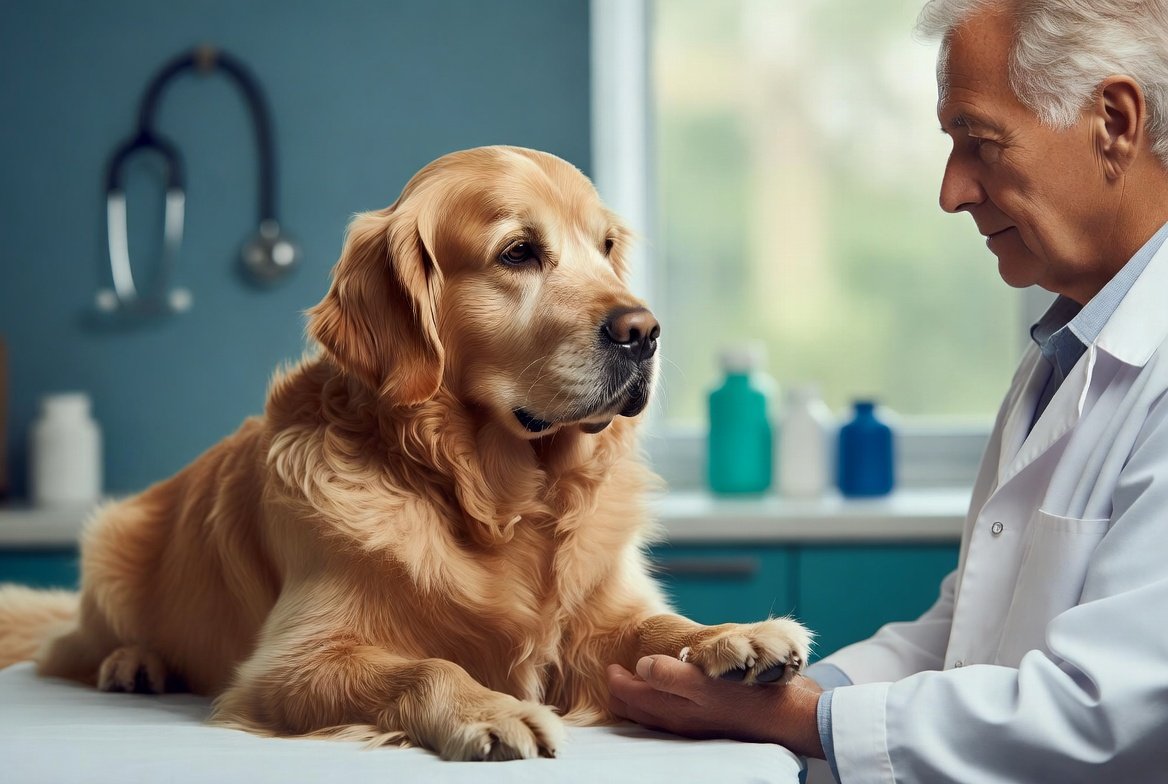
It is strictly advised to consult your vet before making any changes to your cat’s diet. It is important to ensure that fiber is taken in a controlled manner, as unregulated amounts can cause serious complications. Consulting a veterinarian will help you to regulate your cat’s health properly if your cat has chronic constipation, repetitive diarrhea, fluctuations in weight, vomiting, and blood in the stool. Medical attention is very important as its absence can cause serious medical issues to your cat’s health, which may lead to pet surgery.
Some high-fiber food sources in cat foods that you should consider
Not every fiber is beneficial. The quality and source of the fiber also matter a lot. Choosing the right fiber in your cat’s food will ensure better digestion, stool quality, and overall health. Some of the most common sources of fiber are the following:
Beet Pulp
Beet pulp is the best of both worlds. It is a blend of both soluble and insoluble fiber which makes it moderately fermentable. It helps your cat’s body to deal better with gut bacteria. It also helps maintain the digestive flow, ensuring appropriate stool quality. Beet pulp is best known for its moderate fermentation, which supports overall colon health.
Psyllium
It falls in the category of soluble fiber. It is really helpful to treat repetitive hairballs and digestive issues because it absorbs water in the cat’s body. It also helps in softening the stool and easing diarrhea in your cat’s body. It is important to note that proper hydration is crucial alongside psyllium.
Pumpkin
It is mostly included in the category of soluble fiber. It is great to moisturize the stool and provide help to moderate constipation. It also provides vitamins in small portions. It is generally considered a natural remedy to treat digestive issues.
Flaxseed
It generally comes as mixed fiber alongside omega-3 fats. This provides fatty omega-3 acids in your cat’s body which helps to regulate your cat’s skin and coat health. Also, it is important to note that cats consume omega-3 inefficiently, which prevents them from replacing animal-based sources.
Chicory Root
This is the best fiber source to treat your cat’s gut bacteria. It is very convenient with respect to fermentation and also acts like a prebiotic. It also helps to provide support for colon health. It is rich in inulin, which is great for supporting healthy gut microbes.
Steps to consider before buying cat food
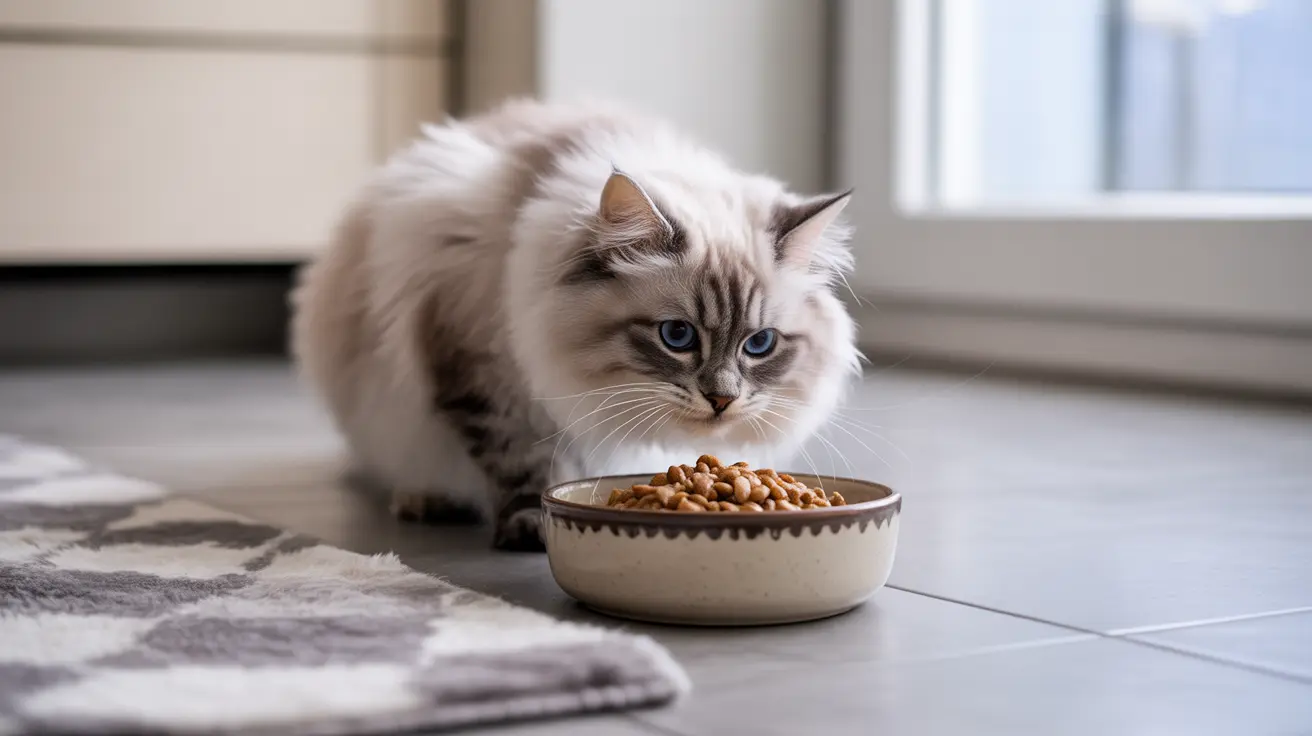
It is important to know that dry cat food is convenient and more affordable. It mostly helps to treat weight gain, whereas wet fiber foods offer more hydration, which is essential for proper digestive functioning. It also helps better for cats dealing with constipation. The only cons of wet fiber cat food are that they cost higher than dry cat food and its shelf life after opening is significantly lower.
It is also very important to check labels to ensure that the fiber quantity isn’t too low or too high. Protein must be high as your cats are obligate carnivores. Usually the first ingredient must contain an animal protein instead of a grain or filler. Calorie count should be appropriate to ensure effective weight management. Prebiotics like chicory root must be present to support gut bacteria in your cat’s body.
Key Takeaway
It is necessary to take good care of your pets, whether it’s a cat, a dog, or any other animal, as they cannot speak to us. But it is our duty to understand their needs and fulfill them. Fiber is one of the most underrated nutrients that supports the core functioning of your cat’s body. It helps to prevent almost all common conditions to ensure overall good health. Please note that it is important to consult a professional veterinarian from places like Park Hills Animal Hospital to make sure your pet is treated the right way. It also helps to identify any developing medical condition as well.
Frequently Asked Questions (FAQs) about High Fiber Diet Cats
What can go wrong with too much fiber?
Feeding your cat too much fiber can result in increased diarrhea, inefficient nutrient absorption, excessive gas, and bloating. It can also upset the digestive system further.
Does fiber intake depend on your cat’s age?
As cats grow older, their mobility declines. This makes them less active and prone to more weight gain. Fiber is important to keep their intake controlled and support gut bacteria.
Why is hydration important?
In the case of soluble fiber, it forms into a gel-type substance that makes the stool soft, but it can turn hard due to lack of water. Appropriate hydration also helps with kidney and urinary health.
Is fiber beneficial for blood sugar management?
Yes, soluble fiber actually helps your cat to absorb carbohydrates in a gradual way. This way, your cat prevents sudden spikes in blood glucose.
Are pumpkins safe for all cats?
Yes, pumpkin is generally safe for all cats. It helps to treat constipation and make your cat’s stool soft. Please note that it is advised to use plain pumpkin in a moderate amount as overuse can lead to bloating and increased diarrhea.