
American dog owners know raising a new puppy is exciting and a challenge. Early care teaches them to go potty. House training your puppy promotes clean living and relieves household stress. This blog will cover easy steps, tips and some mistakes. It will provide practical advice to improve behaviours, promote growth and establish a routine for all pet parents.
House Training Your Puppy Basics for Beginners
House training your puppy lays the foundations for early dog care. House training your puppy often begins on the first day. It help to build a bond and routine. Owners should be consistent to help puppies learn. House training your puppy help to keep the house clean and neat. Consistency and timings aid in the quickest success of this training.
House training your puppy needs a plan. Puppies learn best with repetition. You can take the puppy out after eating and sleeping. Treats encourage good behaviour. House training your puppy requires patience and calmness. During the learning process, punishment should be avoided. Guidance and encouragement are helpful for the puppy.
Setting Routine for House Training Success
Owners should have a routine when house training their puppy. They are reassured when they know what is coming next. Regular feeding times and exercise make house training easier. House training help to improve bladder control. It also help to prevent accidents in the house. Routine is important for developing good habits in the long term.
Morning and Night Time Schedule Support
House training your puppy begins in the morning and late in the evening. Your puppy needs to go out after waking up. House training your puppy also needs attention late at night. These little things help to prevent accidents. Owners also have the best puppy potty training schedule. Timing provides routine and faster learning about appropriate potty habits.
Feeding Timing and Bathroom Control
Feeding times play a key role in house training your puppy. Dogs usually go to the bathroom after eating. House training your puppy is easier with regular feeding times. This help to establish a digestive cycle. Good pet nutrition help to promote healthy growth and digestion. A well balanced diet help to keep puppies playful and controls their urge to go potty during training.
Crate Training Role in Puppy Learning
Crate training help to enhance house training for your puppy. When used properly, crates are secure for puppies. House training your puppy and using crates promotes self-control. Dogs do not like sleeping in their urine or feces. House training your puppy can also improve sleeping and anxiety. It should always be gentle and never a form of punishment.
Safe Space and Comfort Building
House training your puppy will be more successful if the crate is safe. Puppies can relax when they feel safe. House training your puppy requires it to be comfortable and quiet. Owners should not shut puppies in the crate. Trainers also use puppy crate training methods to enhance training. Creating a quiet environment help to learn more quickly and prevents stress during training.
Reducing Accidents with Crate Routine
House training your puppy uses the crate to prevent accidents. Dogs do not like to poo in their sleeping place. House training your puppy is effective when owners take the puppy out immediately after being in their crate. This creates good habits. Similar patterns are used to keep dogs clean at pet boarding facilities. Regular use of the crate helps puppies to become more house trained.
Common Mistakes in The Puppy Training Process
House training your puppy is unsuccessful if owners do not follow a routine or are not consistent. Puppies need to know what to do. House training your puppy is also more difficult if owners punish the puppy. Scaring puppies slows learning and confuses them. House training your puppy is done with gentle correction and encouragement. Pet parents need to be patient and repeat commands until the puppies comprehend.
Overlooking Early Warning Signs
Pay attention to cues such as sniffing or circling. The owner’s responsiveness aids in house training your puppy. This confuses and leads to a mess. Pet grooming help to keep pets clean during training. This helps puppies to learn and prevents unpleasant smells when they live with you.
Lack of Consistency in Routine
House training your puppy fails when there are frequent changes in routine. Puppies learn quickly when in a routine. House training your puppy involves daily actions. Confusion slows learning. Pet parents must take the same actions every day. Routine creates positive habits and teaches puppies to follow the same routine in different homes throughout the US.
Health and Support During Training Period
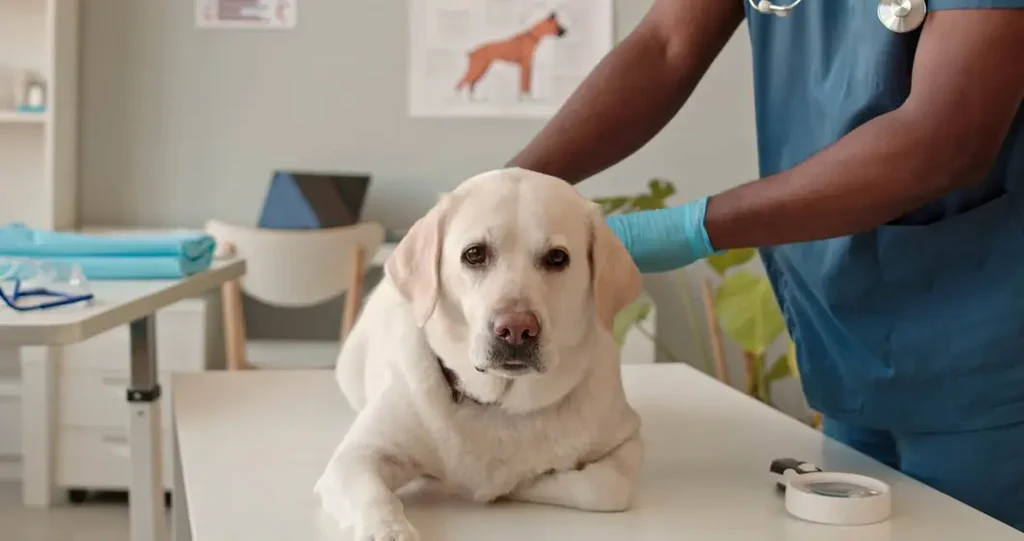
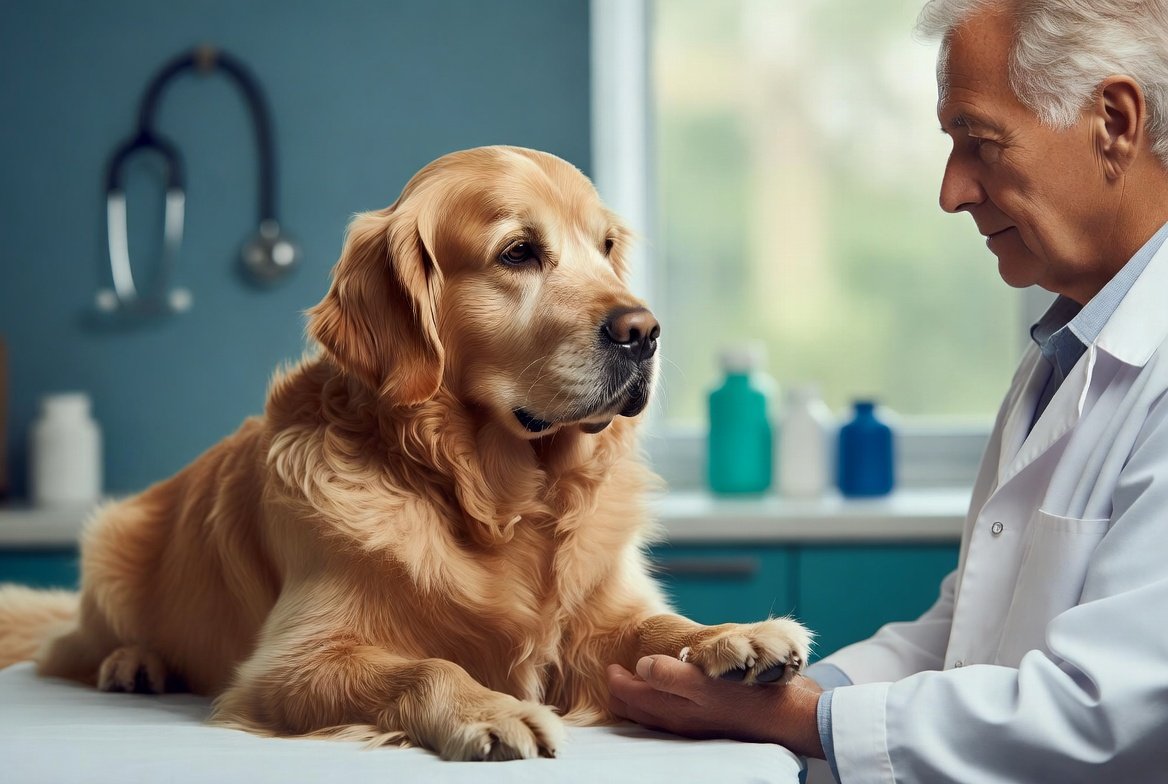
House training your puppy relates to health and well being. Healthy dogs learn better and are more playful. Frequent visits to the VET can detect problems early on. Proper care help to support good behavior and successful training for puppies in large families.
Vet Care and Preventive Support
House training your puppy needs veterinary checkups. Regular checkups detect gastrointestinal problems that affect their learning. House training your puppy can be easier with healthy puppies. Spay and neuter also promotes long term behaviour. Well, dogs are more attentive in training. Prophylactic health care makes dogs more comfortable and promotes learning during a critical period of development.
Clean Environment and Daily Hygiene
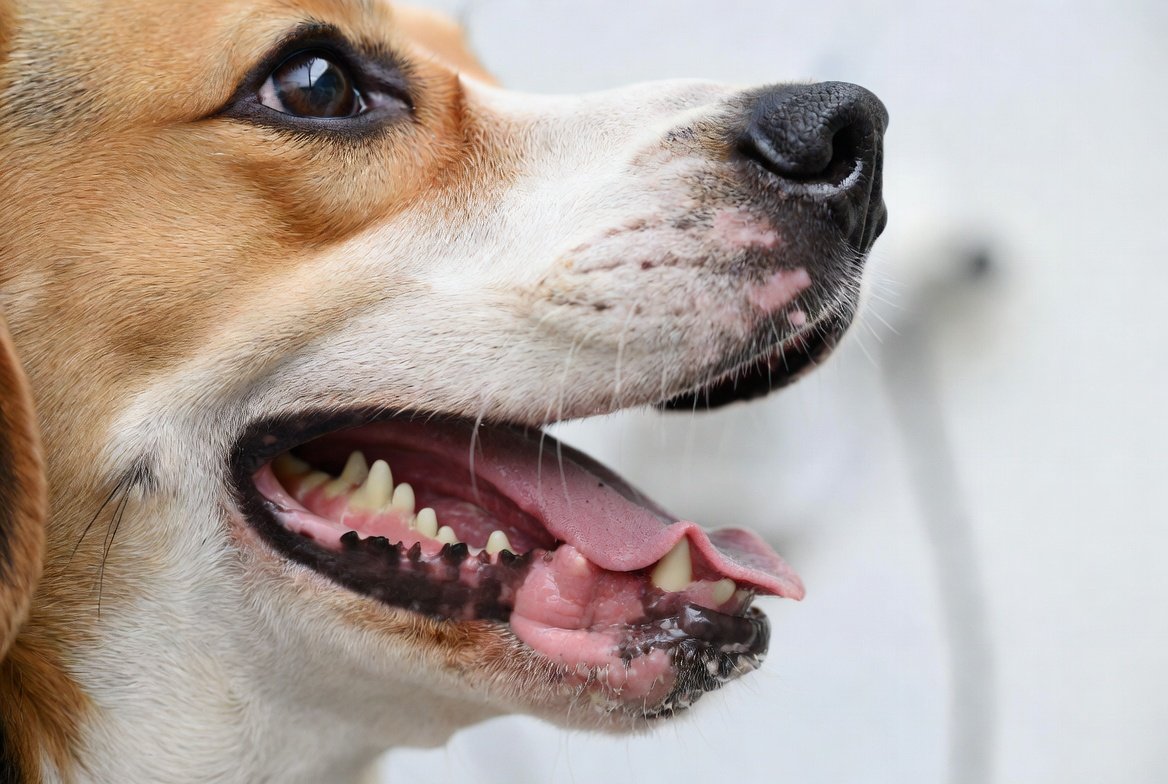
House training your puppy is easier in a clean environment. Puppies learn more quickly in clean and tidy areas. House training your puppy also requires cleanliness. Pet dental care help to improve health and reduce discomfort. Puppies can concentrate on training in a clean and environment. A safe and healthy home is key to long term training success.
Long Term Success in Puppy House Training
House training your puppy goes on after the first few months. Dogs are forgetful and need support. House training your puppy establishes good lifelong habits when owners are patient. It help to strengthen the relationship between the pet and its owner. After some time, puppies gain control, respond better to training and commands across contexts.
Building Trust and Positive Behavior
House training your puppy builds trust with your dog. Puppies like rewards and positive reinforcement. It is an opportunity for bonding. Owners should reward good behavior and not punish. Good communication fosters trust. This confidence help to improve behavior and dog human interaction in everyday situations.
Good Care and Balance
House training your puppy includes ongoing maintenance and routine. Consistency and routine are important after training. It is effective if pet owners keep up. Pet nutrition help to maintain health. Grooming keeps dogs healthy and clean. Healthy lifestyle choices enhance behavior and support long term training outcomes.
Conclusion
House training your puppy requires time, patience and hard work from dog owners. Routines, cues and positive reinforcement are key to puppy training. House training creates happy homes and clean houses. Good care means long term success and improved behavior. Each step will make their lives better and healthier. Visit Park Hills Animal Hospital for professional puppy care in the United States.