
Many owners will turn to drugs currently in their home when their dog experiences pain, allergies, stomach upset or anxiety. While seemingly innocent, using human medications for dogs without vet supervision can pose serious health problems, sometimes even fatal emergencies.
Some drugs have no effect on humans, but they may hurt our dogs, and sometimes be life threatening. They metabolize some drugs differently than we do and overdosing can quickly become toxic. When administering human medicine to a dog, it is important to know about the unknown dangers that exist.
Reasons Why Human Meds Can Harm Dogs
Dogs metabolize drugs differently from humans. The health of the dogs’ liver, their body size, and even their digestive system can alter how drugs are received in the body.
One of the biggest factors contributing to the danger of Human Medications for Dogs.
Risk-Increasing Factors
- Smaller body weight
- Different metabolism rate
- Sensitivity to active ingredients
- Difficulty processing certain chemicals
What may seem like an insignificant dose to us can overwhelm the dogs’ system with drugs.
Common Human Medications that are damaging to Dogs
Many over-the-counter and prescribed drugs are incredibly damaging to dogs without the assistance of a veterinarian.
Human medications most often associated with harming Dogs:
- Pain relievers such as Ibuprofen
- Cold & flu medications
- Sleeping tablets
- Anti-depressants
- Certain vitamins and supplements
Some drugs will immediately exhibit their damaging effects, while others can slowly destroy the dogs’ system over a period of time.
Common Symptoms of Drug Toxicity in Dogs
The exact symptom will vary depending on which drugs are given and how many are ingested, though it is always better to err on the side of caution when possible.
Warning Signs to look out for after using human medications for dogs:
- Vomiting/diarrhea
- Lack of coordination
- Tremors or seizures
- Excessive drooling
- Lethargy or unusual behavior
Extreme instances of medication toxicity in dogs can lead to irreparable damage in the kidneys, liver, heart or nervous system.
Why Dosage Mistakes Are So Dangerous
The most critical part of the problem associated with human medications for dogs is the sheer difficulty with the dosage required.
Most owners administer based on:
- Body weight
- Human dosage instructions
- Web information
Unfortunately, even drugs that a veterinarian would prescribe to an animal in certain circumstances will only do so in a controlled dosage and it is only the vet’s knowledge of the dosage needed that makes these dogs well instead of ill. Dogs will always need to be given doses based on:
- Their age
- Their weight
- Their breed
- Their current medical condition
Without the care of a veterinarian, dogs will receive incorrect dosage more often than not.
Some Medications Are Dangerous Even in Small Amounts
It is important to note that there are particular drugs which should NEVER under any circumstances be given to dogs without a veterinarian’s approval. These include:
- Ibuprofen
- Acetaminophen
- Certain antidepressants
- ADHD medications
A single tablet of any of the above mentioned medication can even cause severe problems in smaller dogs. Therefore, it is important that when a pet owner decides to use human medications for dogs, they exercise extreme caution and don’t assume human safety implies the safety for their pets.
Long Term Effects
Some medication damage will not show until weeks or even months down the line, as your dog’s system is slowly destroyed.
Potential long-term effects of certain drugs:
- Liver damage
- Kidney failure
- Digestive problems
- Neurological diseases
Continuous administration of a drug can have the same effect as it may cause damage over a period and even sometimes needs Pet Surgery.
Preventive Care Helps Reduce Medication Risks
Routine wellness care can reduce the need for emergency vet treatment or the use of medications that may harm your pet. Pet Nutrition will prevent illness by maintaining your pets’ immune and digestive systems, lowering their susceptibility to diseases they may already have a weak immunity towards. Also, vet checkups are important as this gives your vet a chance to discover and remedy health issues that could result in your pet requiring drugs, which may be detrimental.
Can Routine Pet Services Help Spot Health Problems Early?
Many pet owners are completely unaware of how a pet owner’s involvement with the care sector can actually prevent illness in their dog. For example;
- Pet Grooming is important because while giving a pet a groom, it may discover a lump, skin condition or an area of irritation which can later lead to an issue that results in the use of an incorrect or harmful drug.
- Pet Dental Care is also vital, as this may identify oral infections and pain that may lead the dog owner to consider alternative methods, instead of finding an issue that can be properly addressed.
Role of Preventive Veterinary Care
It is the use of preventative veterinary care that ensures that your dog can live as healthy a life as possible while minimizing the chance of you having to remedy symptoms with remedies from the medicine box. Preventative veterinary care appointments, like Spay and Neuter appointments, make regular vet check-ups more routine; a veterinarian sees your dog at their varying stages of life to highlight any potential problems and risks involved by the dog’s developing health problems and make sure you know that even procedures like Pet Boarding need an updated medical record in the dog’s life to assure safety.
Conclusion
Yes, it’s convenient to have medicines at home, but the dangers taken on when giving medicines to a Dog without consulting a veterinarian outweigh the benefits. Dogs metabolize medicines differently than people and even minor mistakes in the selection of the medicine and dosage can lead to toxicity in a dog.
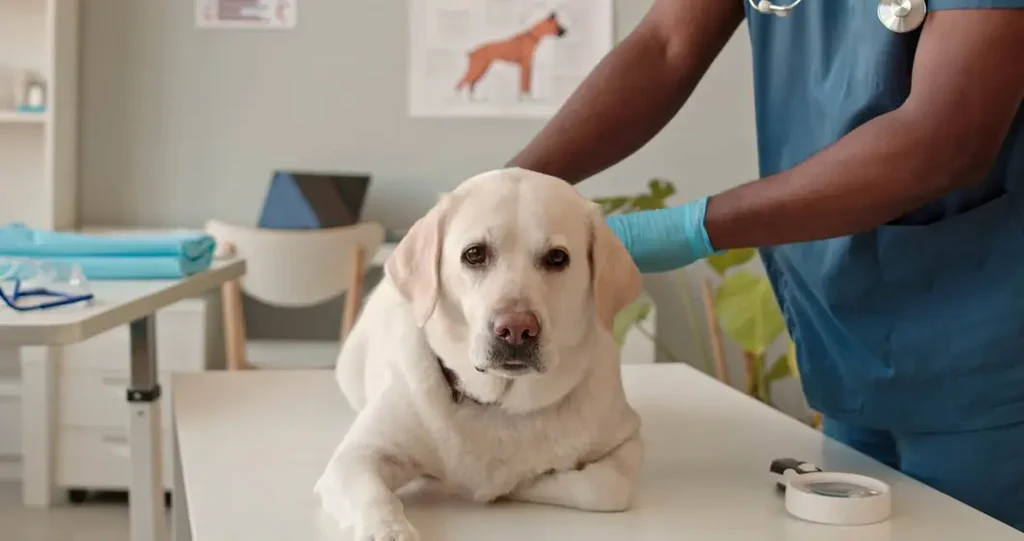
In the end, getting a veterinarian’s advice will reduce potential health risks to your dog and can help determine the cause of your dog’s illness. When seeking a safe and professional veterinary service or if your dog requires extensive veterinary care, then owners need to look no further than Park Hills Animal Hospital.
FAQs
Can dogs take human medicine?
Yes, some can be prescribed if they have been given as the veterinarian’s recommendation; others can be deadly.
What to do if my dog eats human medicine?
If you suspect your dog has taken an inappropriate medicine, then you should telephone the vet instantly; there may be no immediate sign of a developing health risk to your pet.
Why are painkillers in humans unsafe for dogs?
As your dog’s metabolism differs from that of humans, administering human pain relief to dogs can cause the animal serious damage to its liver and kidneys, as well as potentially harming the dog’s stomach of the dog.
Can even very small dogs die from tiny amounts of medication?
When compared to an adult dog, smaller dogs possess a higher vulnerability towards ingesting medicines, as smaller breeds are at more risk from rapid toxicity.
Is over the counter medicine safe for dogs?
Whilst some drugs, in appropriate quantities, may be harmless for your pet, many OTC medicines can be deadly.
How can I stop accidents happening in the home?
Ensure all medications are stored out of reach, safely from your dog, so that there are no accidents.