
Immunodeficiency virus in cats affects the cat’s immune system overall. Once the virus enters the cat’s body, it weakens the ability of the immune system to fight bacteria and viruses. Despite the fact that many cats can survive for a few years after being infected with the disease, they become weaker and less resistant to infections as time passes. Therefore, it is very important to understand what the immunodeficiency virus in cats is and what effects it might have on the well-being of your pet.
What Does The Immunodeficiency Virus in Cats Do Inside The Body
After entering the cat’s body, the virus affects the special cells of the immune system, which are able to fight various diseases and infections. Over time, these cells will stop working properly, resulting in increased sensitivity to infections that normally would have never affected healthy cats.
Early Signs of the Immunodeficiency Virus in Cats
The immunodeficiency virus in cats makes a feline feel tired more than usual and lose the desire to perform daily activities. A cat loses interest in playing and does not move around actively. Minor infections will require more time for healing than the normal, typical period. Sometimes, cats may suffer from recurring oral problems or have episodes of fever. All of these signs require closer attention. Moreover, in addition to regular veterinary examinations, it is important to ensure that proper pet grooming is provided since it is easier to detect physical changes during this procedure.
How Cats Become Exposed to the Immunodeficiency Virus
Immunodeficiency virus in cats spreads via deep wounds from bites made by infected cats. In some cases, the disease is quite common among aggressive animals kept outdoors. Therefore, understanding how the immunodeficiency virus in cats spreads is a crucial step towards its prevention.
Common Routes Of Spread
Felines can be affected by the immunodeficiency virus in cats when another cat with this disease infects them through biting, i.e, common in pet boarding facilities. Normally, such an event causes a serious wound. The transmission through casual contact and feeding in one bowl is not possible.
In rare cases, a cat may be born with or acquire the disease through nursing. By providing timely spaying and neutering services, you will be able to reduce territorial aggression in cats and prevent biting, reducing the chance of spread of the immunodeficiency virus in cats in later life.
Identifying the Virus Through Veterinary Testing
To manage the immunodeficiency virus in cats and provide timely care for the cat affected by it, it is necessary to conduct some tests and confirm the presence of the disease. In this way, a cat owner will be able to choose the optimal treatment program for their feline.
How Veterinarians Confirm the Immunodeficiency Virus in Cats
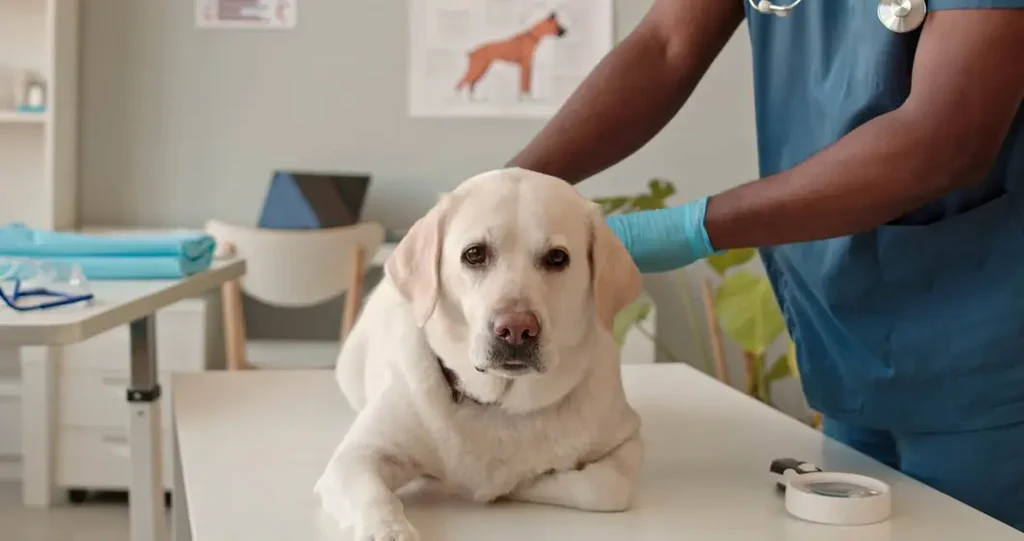
If the cat has been recently exposed to feline immunodeficiency virus, a veterinarian usually takes a small blood sample to detect specific antibodies indicating the presence of the disease. If needed, additional tests may be ordered to confirm the results.
Regular veterinary appointments are particularly important because a lot of cats with immunodeficiency get affected by secondary infections. Therefore, regular monitoring allows for treating these complications quickly and maintaining a better health condition of a cat in general.
Living With an Infected Cat and Supporting Health
Despite the negative impact on health, the immunodeficiency virus in cats does not affect the quality of life of infected cats negatively if the appropriate treatment program is provided. Therefore, a cat can still enjoy its life and feel well even if it has been diagnosed with the immunodeficiency virus.
Medical Care And Monitoring
It is very important for a cat suffering from immunodeficiency to visit a veterinarian regularly to check the state of the immune system and detect possible signs of other infections in time. There is no possibility of removing the virus from the cat’s body. Therefore, treatments are aimed at alleviating symptoms and preventing complications.
If the cat suffers from infections such as fungi or bacteria, veterinarians prescribe antibiotics or antifungal medicines. Besides, it is recommended to focus on providing proper pet nutrition and creating a comfortable and calm environment for the cat because it will positively affect its immune system and its activity. Pet surgery can also be considered in certain circumstances of treating the immunodeficiency virus in cats because of secondary infections or injuries.
Reducing Risk and Protecting Other Cats
Since there is no cure for the immunodeficiency virus in cats, a lot of emphasis should be placed on reducing the chances of getting infected and minimizing the risk of spreading the disease. Try to keep your cat indoors to reduce the risk of meeting aggressive cats with the disease outside. Introducing a new cat to the family should be performed carefully, using health screenings as the first step. Finally, regular veterinary checkups allow timely identification of infections and diseases that can spread among the rest of the animals in the household.
Conclusion
Immunodeficiency virus in cats is a chronic disease that affects the overall health of the cats. This disease is not curable, but its symptoms can be managed effectively. It requires proactive measures to help support your feline’s health suffering from the immunodeficiency virus and helps them lead a comfortable life ahead. You can visit Park Hills Animal Hospital with your feline for discussing and managing its condition effectively with professional support and guidance.