
Pet owners believe that their homes are safe for animals until they discover that there are dangers they don’t know about in what they consider to be a common situation. One of the most subtle but frequently underdiagnosed dangers is that of lead poisoning in dogs and cats. It could be from old paint flakes, water, household products or even a seemingly normal-looking yard.
Lead poisoning is hard to detect early due to some of the symptoms being present only after the condition has gotten quite bad. Understanding the causes of lead poisoning in dogs and cats can help pet owners identify potentially dangerous scenarios and minimize the risk of exposing their furry family members to long-term health threats.
What Is Lead Poisoning in Dogs and Cats?
Lead poisoning in dogs and cats occurs when the animal ingests or inhales particles of lead. Lead is a highly toxic metal, with many effects on different body systems, most notably on the nervous system and digestive tract.
The dangerous part about lead poisoning in dogs and cats is the ease with which it may build up in the body over time. Animals explore their environment orally, and ingestion or inhalation of lead can easily occur simply by eating contaminated items.
Everyday Lead Poisoning Sources
Most owners do not realize how often their animals can become exposed to lead simply through their normal routine.
Household lead exposure:
- Peeling lead paint in older houses
- Lead dust contamination from the renovation of homes or garages
- Water contaminated from older plumbing
- Fishing weights, some metal toys, and lead-based objects
It is not uncommon for animals to chew on the former or simply ingest contaminants off surfaces while cleaning themselves.
Outdoor Environmental Risks
- Contaminated soil around old, brick homes or industrial settings
- Polluted air or soil due to pollution
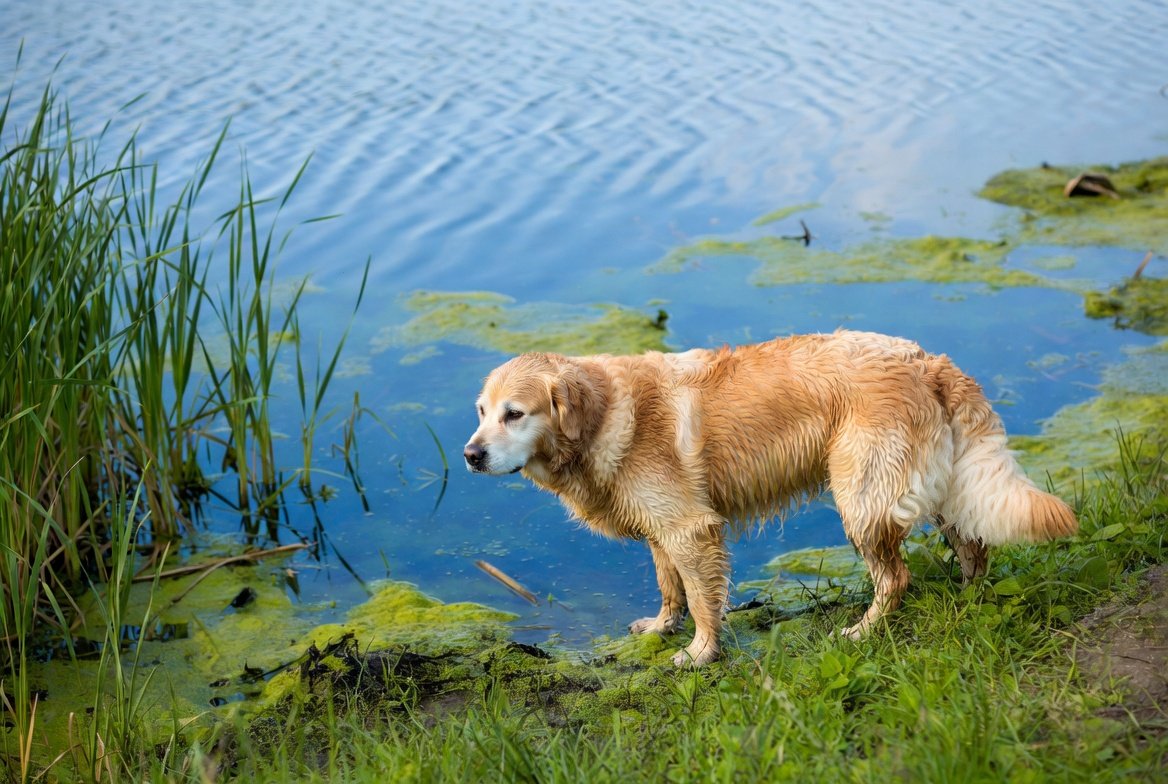
- Contaminated water sources
- lead debris found in garages or tool sheds
Especially common in dogs who love to explore things with their noses and mouths.
Why Are Dogs and Cats Particularly Susceptible?
Different types of animals react differently to certain toxins, and lead is no exception. While dogs and cats are animals that react differently to lead than humans, the risks and dangers are present.
Dogs
Dogs commonly chew on paint chips, painted objects, their toys and various other materials with lead. Young dogs are also especially susceptible, as they will investigate their surroundings with their mouth while exploring.
Cats
Cats typically get into lead poisoning in dogs and cats by cleaning themselves after being in contact with a lead particle. The lead particle sticks to their fur and is cleaned off during grooming and may also contribute to ingesting hair containing the particle. This is one of the primary ways this toxicity goes undiagnosed, as it cannot be immediately apparent that the animal has this problem.
Symptoms of Lead Poisoning in Dogs and Cats
The actual symptoms of lead poisoning in dogs and cats are variable depending on how much lead the animal ingested/inhaled, and how long they have been ingesting it for.
The most commonly seen symptoms include:
- Vomiting
- Loss of appetite
- Lethargy
- Abdominal pain
- Tremors or seizures
In advanced cases, you will often see the development of neurological symptoms of lead poisoning due to effects on the brain and nervous system.
How Veterinarians Diagnose Lead Poisoning
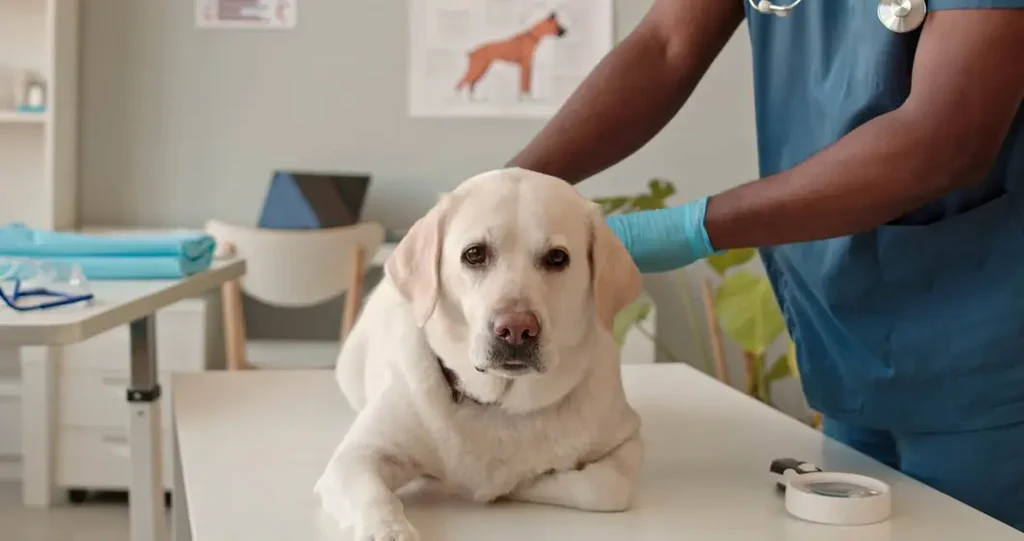
It can often be quite difficult to diagnose lead poisoning and requires the physician to take into consideration many things, including a full physical exam, the environment of the pet, and, in most cases, a blood test and X-rays will be required to confirm any evidence of an object swallowed. The physician must be informed of any environmental hazards and history in relation to this problem.
Treatment Options for Lead Poisoning
There is a variety of treatments for lead poisoning, and each is dependent on the type and severity of the poisoning and whether lead is still present in the body.
Common Treatments include:
- Removing the source of contamination
- IV fluids and supportive treatment
- Medicines that bind to and flush out lead from the body
- Neurological monitoring of any symptoms of concern.
Depending on the source of the poisoning, there may be a need for surgical removal, especially if a pet has swallowed a lead object. Procedures of this nature may be conducted with a Pet Surgery to remove the substance efficiently.
Tips for Prevention of Lead Poisoning in Pet Owners
Preventing lead poisoning starts in the home with the avoidance of toxic exposures. To reduce potential risks associated with lead, owners should:
- Keep pets from renovation areas.
- Secure tools, paints, chemicals, etc. That may contain lead.
- Prevent pets from having access to metal scrap.
The overall well-being of a pet, according to services offered by Pet Nutrition, is crucial for increasing the animal’s chances of recovery and for early identification of sickness before it gets worse. A well-fed pet will often do better in a time of illness. Wellness exams with an animal professional will ensure an owner is always looking for odd symptoms or signs that their pet may be ill. Puppies and dogs living in old homes need regular check-ups to prevent illnesses and to monitor how well they are thriving.
Can Pet Boarding or Grooming Increase Risk?
A dog or cat at a boarding facility or a pet grooming facility. A dog or cat at a facility may have the opportunity for undetected exposure to various sources of toxins. These facilities should be up-kept with all regulations and standards in order not to pose any risks of poisoning. Professional Pet Grooming might catch certain health issues if not identified during their stay.
Pet dental care checkups can assist the veterinarian in looking at the overall health and lifestyle of a pet. These checks could possibly pick up early symptoms of toxic poisoning if there have been recent changes or issues with the pet’s teeth. Preventive care services like Spay and Neuter are an excellent time for a pet owner to discuss broader issues that are related to overall pet health.
Long-Term Effects of Lead Poisoning
The consequences of untreated lead poisoning in dogs and cats can vary but include the following: neurological effects, digestive issues, behavioral problems and kidney issues. If Lead Poisoning is suspected for your dog or cat, immediate care should be obtained from your veterinarian.
Conclusion
Pet owners are not aware of the insidious dangers that are within their pets’ environments. Understanding the etiologies of lead poisoning in dogs and cats allows it to be prevented and treated promptly. Daily elements may cause your pets’ health to be affected insidiously, through anything from old paint, polluted dirt and outdoor pollutants. Symptoms, well timed veterinary visits, and maintaining a toxic environment-free can all work to drastically reduce potential exposure. Park Hills Animal Hospital is available to the pet owner for preventive care and treatment, tailored to meet the specific health needs and concerns of the pet.
FAQs
Are puppies and kittens more at risk?
Younger puppies and kittens have less mature immune systems, which causes them to more easily develop diseases like poisoning.
Can lead poisoning be effectively treated?
When treatment is given to the infected pet very quickly and if exposure is minimal, it is most effective and shows significant recovery rates.
Can I get a home test to see if it has lead hazards?
Some home testing kits can detect a high amount of lead in some paints; however, they cannot always determine the source of contamination.
Will my pet always live with the long-term effects?
In most cases, recovery from lead poisoning is quick and successful. However, chronic or neurological effects will remain with the pet indefinitely if not successfully treated.
Is it important to see a veterinarian if I suspect poisoning?
Yes, it is extremely important to schedule an appointment with your animal professional if you suspect lead poisoning in your pet.