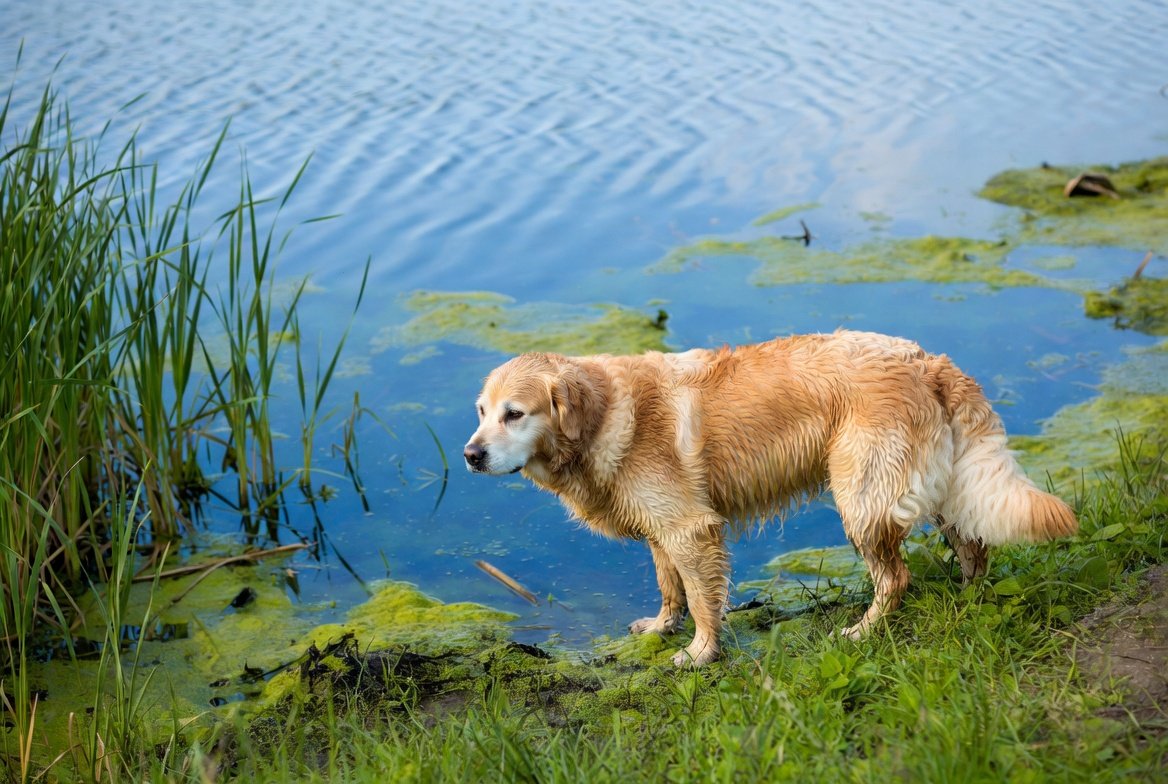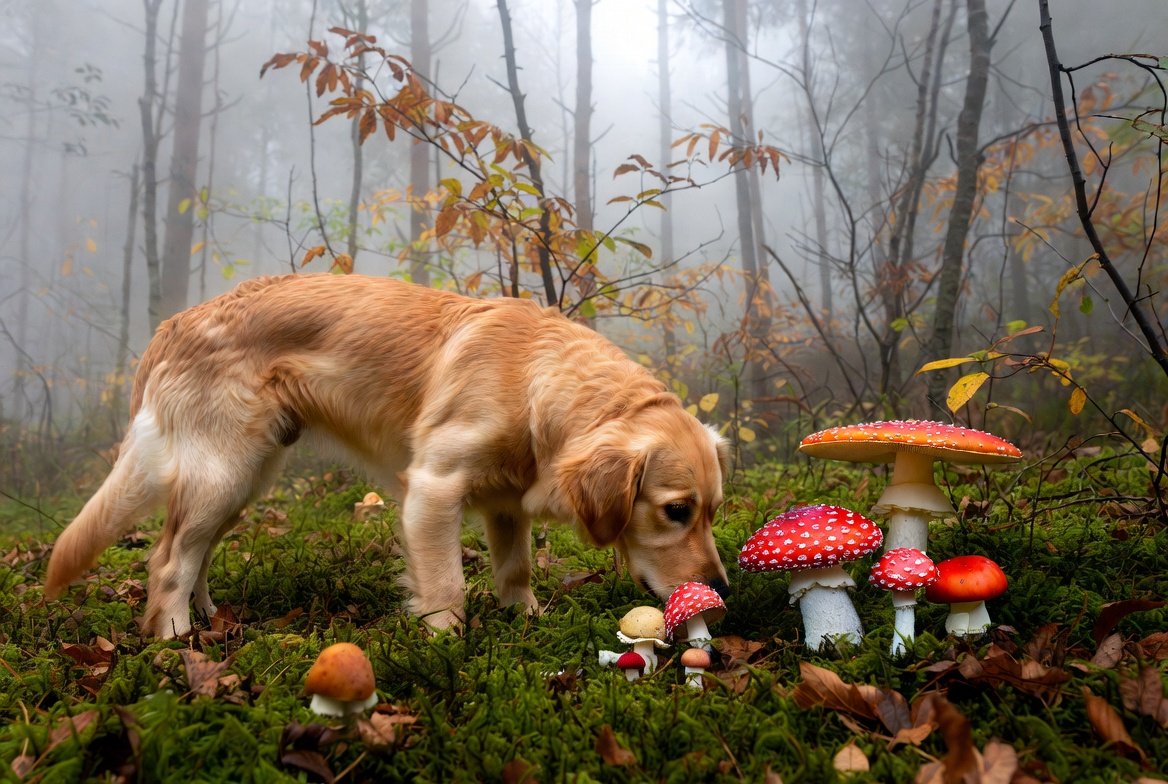
Leptospirosis is an infectious disease that is mainly caused by Leptospira bacteria. This is a serious and sometimes deadly disease that affects animals as well as people. Leptospira bacteria survive in moist and warm environments. Dogs are the most susceptible to leptospirosis, however, other species can be infected as well. The bacterium is transmitted by contact with contaminated water, soil, or contact with infected wildlife urine, which includes rodents, raccoons, and livestock. Even puddles in parks or backyards can be potential sources of disease transmission. So, understanding the disease and the need of leptospirosis vaccine is important for the betterment of your pet.
Transmission of Leptospirosis
Leptospirosis is transmitted through the bloodstream once the bacterium has entered the body. After entering the bloodstream, Leptospira bacteria mostly infect the kidneys and liver. It results in inflammation and death of the organ. Affected animals can develop life-threatening complications of leptospirosis, including kidney failure, liver failure, internal bleeding, and death as a result of the bacterium.
Diagnosing leptospirosis may be difficult as it has very similar signs and symptoms as diagnosed in other infectious conditions. So, preventing leptospirosis is critically important.
Why Leptospirosis Is a Growing Concern
Urban growth, in relation to changes in weather patterns, has led to increased risks for the transmission of leptospirosis disease. Heavy rains and floods create perfect environments for the bacteria to survive. Dogs that regularly participate in outdoor activities like hiking, swimming, dog parks, etc, have an increased likelihood of exposure. On the other hand, the pets that primarily stay indoors also have a chance of developing this disease due to indirect exposure from rats and their feces, as they have the ability to carry bacteria.
Risk to Families
Leptospirosis is a zoonotic disease, meaning that an animal can transmit the disease to a human who comes into contact with them. If an infected pet urinates, it can spread bacteria to humans who are in close proximity to that urination. It increases the risk of infection for any member of the household, but especially for young children, older adults, and individuals with compromised immune systems. Ensuring that your pet has leptospirosis vaccination will not only mean that your pet is healthy, but will also lessen the likelihood of the spread of infection to family members.
The Role of the Leptospirosis Vaccine
The function of the leptospirosis vaccine is to stimulate the immune system to identify and eliminate the different types of Leptospira bacteria. No vaccine can provide a total level of protection from harmful bacteria. But a well-used vaccine will reduce the severity and occurrence of complications in dogs. The dogs that get the leptospirosis vaccine have a much lower chance of developing fatal organ damage due to this infection.
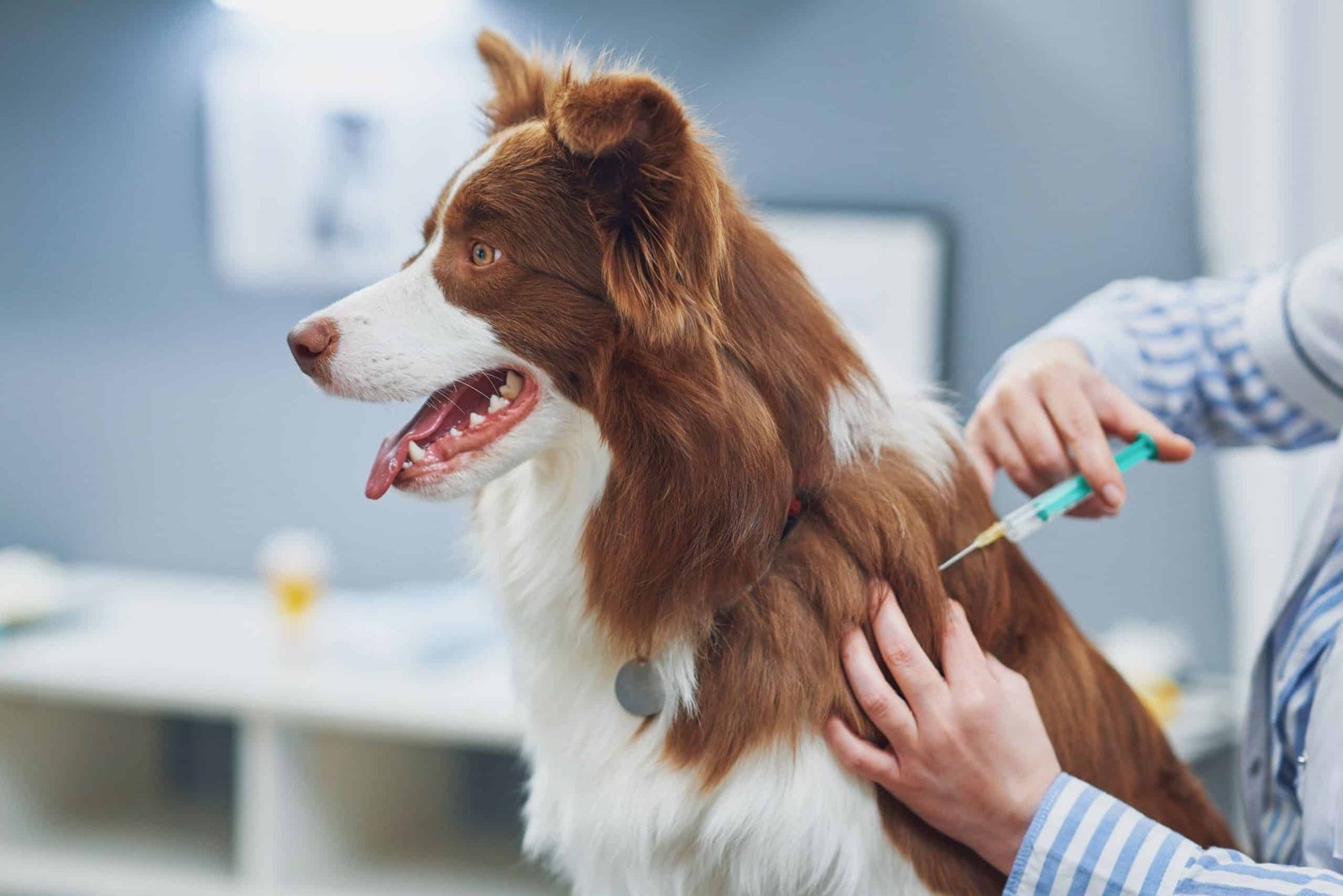
The leptospirosis vaccine is included in routine vaccinations for dogs. Typically, puppies receive their first series of leptospirosis vaccinations and then receive boosters, while adult dogs only require booster vaccinations to maintain immunity. Each dog has a different vaccination schedule based on their age, risk of developing leptospirosis, and associated risk factors.
Leptospirosis vaccine Side Effects
Leptospirosis vaccinations can result in certain minor side effects like tenderness of the sinuses and some mild lethargy that usually cure within a day or two (24 to 48 hours). Serious side effects of leptospirosis, like anaphylaxis, are rare but do happen once in a while.
Recognizing Symptoms and Acting Quickly
If you notice that your dog has any combination of fever, vomiting, diarrhea, muscle aches, and increased thirst with changes in urination, there is a possibility that they have leptospirosis. Dogs may also seem lethargic or lose their appetite. If you see any of these symptoms, then you should contact your veterinarian immediately so that they can treat your dog promptly. Antibiotics show good results when administered on time.
Making Vaccination Part of Preventive Care
The leptospirosis vaccine is only a part of the overall preventative care plan for your dog. To further reduce the risk of dogs contracting leptospirosis, dog owners can limit their access to areas of stagnant water. Pet parents should work to eliminate rodents from their home and practice good hygiene with their pets. Additionally, good pet nutrition and regular visits to the veterinarian provide an opportunity for dog owners to help enhance their immunity and have a detailed view of their dog’s health. To maintain a healthy, risk-free lifestyle for their pet.
Protecting your pet, yourself, and your family by vaccinating your pet against Leptospirosis is one way that a pet owner can proactively reduce the chance that their pet suffers a serious health issue.
Conclusion
Leptospirosis is a preventable but potentially fatal disease to both pets and their respective families. With the increased risk of disease transmission either within the home or outdoors, the importance of getting your pet a leptospirosis vaccine is increased. Pet owners who educate themselves on leptospirosis vaccine and the disease itself by visiting their veterinarian regularly and keeping their pet updated with all vaccines, especially the leptospirosis vaccine, reduce the risk of their pet contracting such fatal diseases. You can also take proactive steps to provide your beloved companion with a healthier and safer future by visiting Park Hills Animal Hospital and discussing your pet’s health and condition with our experienced veterinarians.
FAQs About the Leptospirosis Vaccine
What is leptospirosis in pets?
Leptospirosis is an infectious disease of pets, commonly occurring in dogs. Leptospira bacteria are the causative agent of this disease, leptospirosis. They mainly infect the liver and the kidneys of dogs and can cause severe damage to these organs, leading to death.
Is leptospirosis contagious to humans?
Yes, leptospirosis can be passed from an infected animal to a human. Infected animals can also pass the bacteria in their urine and can infect people living in their home through these means.
How effective is the leptospirosis vaccine?
The leptospirosis vaccine is quite effective in preventing the development of disease and its related severe complications. But like all vaccines, no vaccine gives you complete protection from infections. Getting a vaccine, however, improves the chances of not developing the disease or its related complications after contracting infection of leptospirosis.
Are there any possible adverse effects of the leptospirosis vaccine?
Most pets experience only mild and brief side effects, such as localized swelling or mild fatigue. Severe side effects as anaphylaxis, are extremely rare and would usually only occur in the most unusual circumstances.
Should I discuss this leptospirosis vaccine with my dog’s vet?
You should definitely consult with a veterinarian regarding the leptospirosis vaccine, and whether it is appropriate for your pet based on their lifestyle they have. It is important that a proper preventative care plan can be developed.