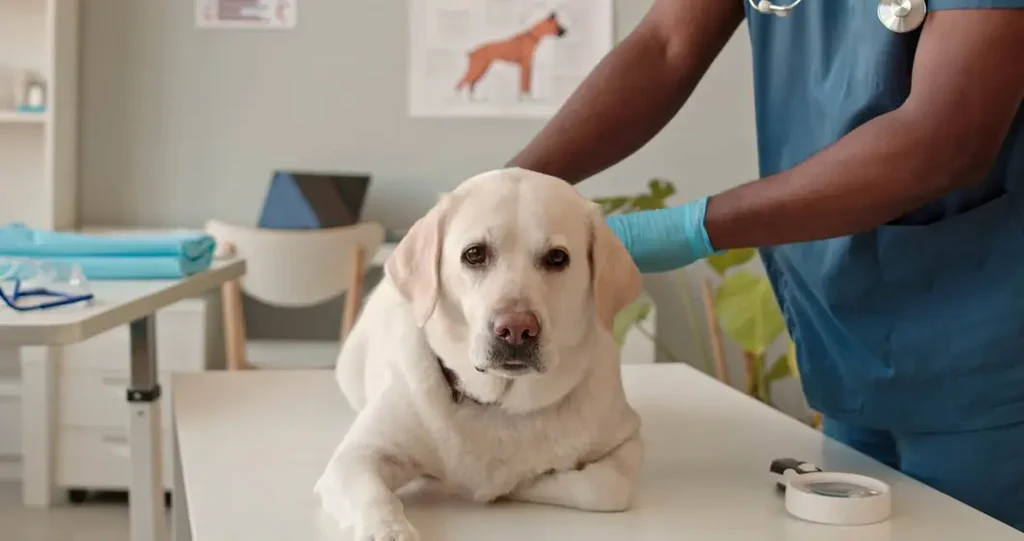

Leukemia in cats is a devastating condition that affects the overall health of the cats. This blog explains the causes, symptoms, diagnosis process, and methods of managing leukemia in cats to facilitate the pet parents. Leukemia in cats is commonly caused by a virus called feline leukemia virus. The disease affects the functioning of the immune system and makes your cat prone to other diseases. Despite the severity of the disease, if timely action is taken, your cat can have a better quality of life.
What Causes Leukemia in Cats
Feline leukemia virus, or FeLV, is the major causative agent for leukemia in cats. It is commonly spread via direct contact with an infected cat, especially via saliva, nasal mucus, and other biological fluids.
How the Virus Spreads Among Cats
FeLV virus commonly spreads via mutual grooming and sharing eating utensils, so the risk for developing leukemia in cats living in a multi-pet household or a pet boarding is rather high.
Outdoor cats face a huge danger of becoming exposed to the FeLV virus since they may easily come into contact with an infected cat. The virus does not survive for long outside the body of the cat, making direct contact the major source of infection transmission.
Recognizing the Symptoms of Leukemia in Cats
Like many other health problems, leukemia in cats presents with different signs. As the disease progresses slowly, it is important to keep an eye on your cat and make sure your cat eats its food properly. Pet parents can use specialized pet nutrition to promote proper development of eating habits.
Leukima can present as swollen lymph nodes, anemia, and pale gums. It can also affect the eating patterns, leads to weight loss. In some cases, cat parents also report their cat being ill often. All these manifestations should be taken into account and checked by a professional vet. He/she will help confirm the diagnosis.
Diagnosing Leukemia in Cats
Early diagnosis of serious health conditions helps manage the symptoms of the disease effectively. Leukemia in cats is often diagnosed by a blood test that is done using samples obtained from the cat. Additional tests may be recommended depending on the results of the first one.
Your vet may recommend conducting several tests to ensure that the results obtained from them are precise. Knowing what stage of leukemia your cat currently has is vital for determining an adequate treatment.
The Different Stages of Leukemia in Cats
Every cat has unique reactions to the virus causing leukemia, hence, there can be different outcomes of the disease development. During the early stage, some cats fight the virus and do not become ill. Other cats become infected with the disease, but they never show any symptoms. There are also some cases when cats acquire a chronic infection resulting in serious illnesses.
At the advanced stage, cats’ immune systems become compromised, allowing other health problems to manifest. In order to provide proper care, it is important to know the stage of leukemia development.
Treatment Options and Supportive Care
Despite the lack of a definite cure for leukemia in cats, there are ways to make your cat’s life comfortable. If your cat has been diagnosed with leukemia, a specialist may prescribe medications to help control the disease symptoms. Moreover, visits to a vet will allow monitoring of the condition of your cat.
Providing a comfortable environment for a cat suffering from leukemia is an important step to take. Stress-free living conditions are also beneficial for the pet. Indoor cats with leukemia have a low chance of getting secondary infections.
Preventing Leukemia in Cats
To keep your cat healthy, there are several preventive actions you should perform regularly to protect it from leukemia. The only way to completely protect your feline from leukemia virus is vaccination. It is especially useful for cats living in a multi-cat household, so the chance of coming across a sick cat increases. However, vaccination cannot guarantee 100% success in disease protection, but do reduces the risk.
To minimize the danger of your cat developing leukemia, try to keep it inside the house. In addition, spaying or neutering may help to decrease your cat’s exposure to potential sources of the virus.
Living with a Cat Diagnosed with Leukemia
A diagnosis of leukemia in cats does not mean that your cat cannot enjoy life anymore. Some cats can live comfortably and happily despite having leukemia. While undergoing the treatment, your assistance will allow your cat to feel better. Providing your cat with good nutrition and water intake during leukemia is important. Cat owners should also note the behavioral changes in their cats to reduce further risk.
Moreover, your cat needs you emotionally. Cats are very emotional animals who need to feel loved and appreciated. To promote the cat’s well-being, create an appropriate environment in your home.
When to Seek Immediate Veterinary Attention
Despite regular visits to a vet, there are moments when you should take your cat to a professional for immediate assistance. If any of the following symptoms occur, you should take your cat to a vet clinic.
If your experiences sudden weight loss, shortness of breath, lethargy, and vomiting, you should not waste your time waiting for the situation to get normal. Quick professional assistance is vital for the cat’s survival.
Conclusion
Although leukemia in cats is a serious problem, you can help your cat cope with the condition. Learning about possible causes, symptoms, and treatment of leukemia in cats can help you keep your pet healthy and comfortable. Providing proper vaccinations will lower the risk of leukemia developing. Moreover, you can get your cat to Park Hills Animal Hospital for a detailed health checkup.