Pet owners face unexpected health problems in their dogs. A particular problem is liver shunt in dogs. It is a malformation of the blood flow in the liver and alters body processes. This article will explain the symptoms, causes and treatment options in an easy to understand way. So you can recognise early signs and help your dog to stay healthier with improved health decisions.
Understanding Liver Shunt in Dogs and Basic Function
Liver shunt in dogs causes blood to bypass the liver. Toxins are not removed from the body. It triggers poor development and lethargy. The early signs are often not detected by dog owners because it looks normal. Early diagnosis of liver shunt help to improve their lives and provide better support for pets in the USA.
Early Signs That Show Liver Health Problems in Dogs
Early signs of Liver Shunt are poor appetite, stunted growth and lethargy. Infected dogs may appear disoriented and stop playing. Dogs with liver shunt also suffer from vomiting and lose weight. Dog owners should be vigilant for subtle changes and seek treatment quickly to improve their pet’s quality of life and ensure long term health.
Weak Energy and Slow Growth in Young Dogs
Young dogs that are not growing well may suffer from liver shunt. These dogs are smaller than other dogs of their age. Dogs with a liver shunt also have less energy and do not exercise much. Young dogs may be lethargic and reluctant to exercise. Proper pet nutrition is important to help weak dogs but medical treatment is crucial for their recovery and improvement.
Main Causes Behind Liver Shunt in Dogs Condition
Liver shunt in dogs is caused by the abnormal blood vessels that bypass the liver. This can be congenital. Liver shunt in dogs may be caused by liver disease. A lack of liver function affects toxin processing and well-being. Testing early help to detect the problem and better treat the condition.
Genetic Factors and Birth Related Liver Issues
Liver shunt in dogs may be related to genetic problems from the mother and father. Certain breeds may be more susceptible. Liver shunt in dogs is an abnormality that occurs during pregnancy. It can require early treatment for dogs. Pet owners may also opt for pet boarding services during the treatment. It help to ensure their dogs are well cared for and can be safe during recovery.
Diagnosis Methods Used for Liver Shunt in Dogs
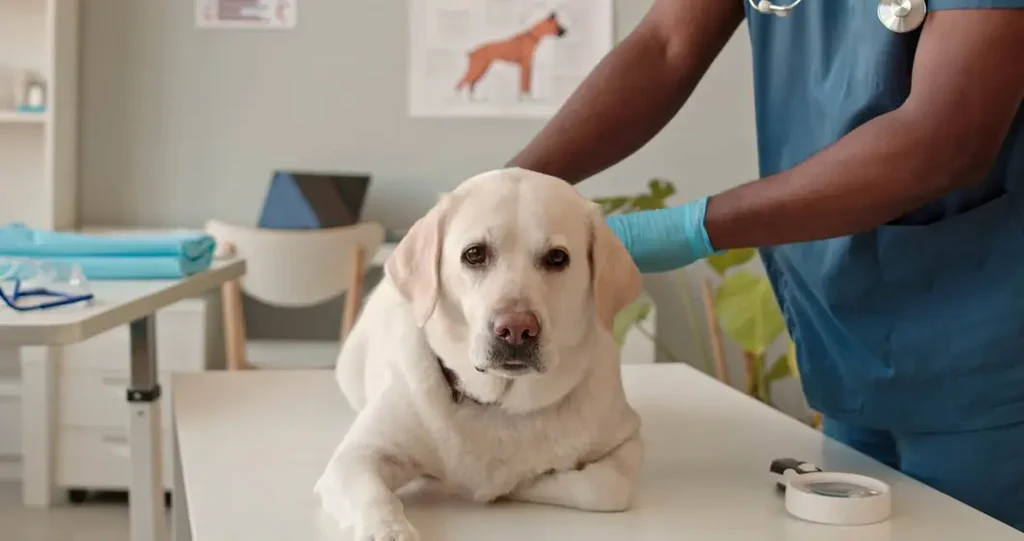
Blood tests, urine tests and imaging techniques are used to diagnose liver shunt in Dogs. Blood tests for toxins are used to diagnose it. Imaging, like ultrasound is used to diagnose liver shunt in dogs. Early detection increases the success of treatment and reduces complications. Periodic examinations ensure good health at various stages of their lives.
Importance of Early Veterinary Screening for Dogs
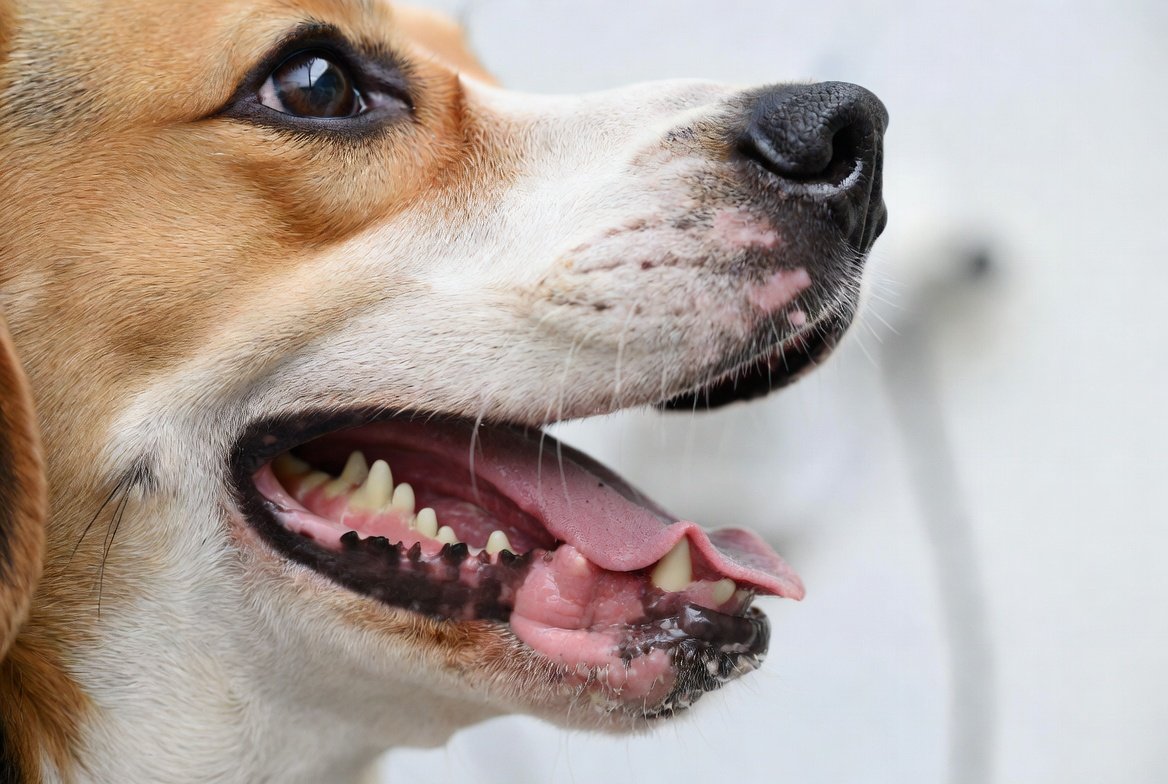
Dogs with liver shunt need early screening for successful treatment. Veterinarians find abnormal liver function early. Early treatment is crucial for liver shunt in dogs. Frequent clinic visits aid early diagnosis. Pet dental care may be required for some dogs as general health is important for treatments and recovery.
Treatment Options for Liver Shunt in Dogs Care
Medication, diet management and surgery are all treatments for liver shunt in dogs. Treatment depends on the severity of the liver shunt. Dogs may require ongoing treatment for good health. Medications help to reduce toxins. Special diets support liver function. With treatment and regular checkups at the VET, many dogs recover.
Surgical Care and Long Term Recovery Support
Surgical treatment might be needed to correct the blood flow in a liver shunt. Pet surgery is important in severe cases. Surgery helps the liver to work better and reduces symptoms. Rest and monitoring are also key to recovery after liver shunt surgery in dogs. Owners need to follow VET care instructions. Other dogs require spay and neuter to balance health during recovery.
Diet and Lifestyle Support for Liver Health Recovery
During this condition, pet owners must plan diet for their dogs. Your veterinarian may recommend a low protein diet for their liver. Proper feeding and water help to support the liver shunt treatment. Lifestyle changes help to reduce liver strain. Pet owners should prevent feeding their dogs unsafe food. They should follow a consistent care routine for optimal healing.
Role of Daily Care and Grooming in Healing
Dogs with liver shunt need care at home. Pet grooming help to keep dogs clean and relieve their stress. Calming and cleaning dogs also helps the liver shunt in dogs. Regular grooming and showering help to promote good health. It also help to relax the dogs and recover them more quickly after the treatment.
Ongoing Monitoring and Long Term Health Care Needs
Planning for long term care is important for liver shunt in dogs. Follow up liver function tests are performed by vets. If not treated properly, a liver shunt in dogs can recur. Pet parents need to watch for changes in behaviour. Good routines and regular checkups increase long term survival rates. It help to make life more pleasant for the dog with greater energy.
Living with Liver Shunt in Dogs in Daily Life
Liver shunt in dogs affects daily activities and quality of life. Special care might be required. Treatment for liver shunt in dogs involves frequent visits to the veterinarian and dietary control. They need to be patient and adhere to treatment. Proper treatment will result in improved quality of life and longevity for dogs with liver dysfunction.
Emotional Support and Owner Responsibility in Care
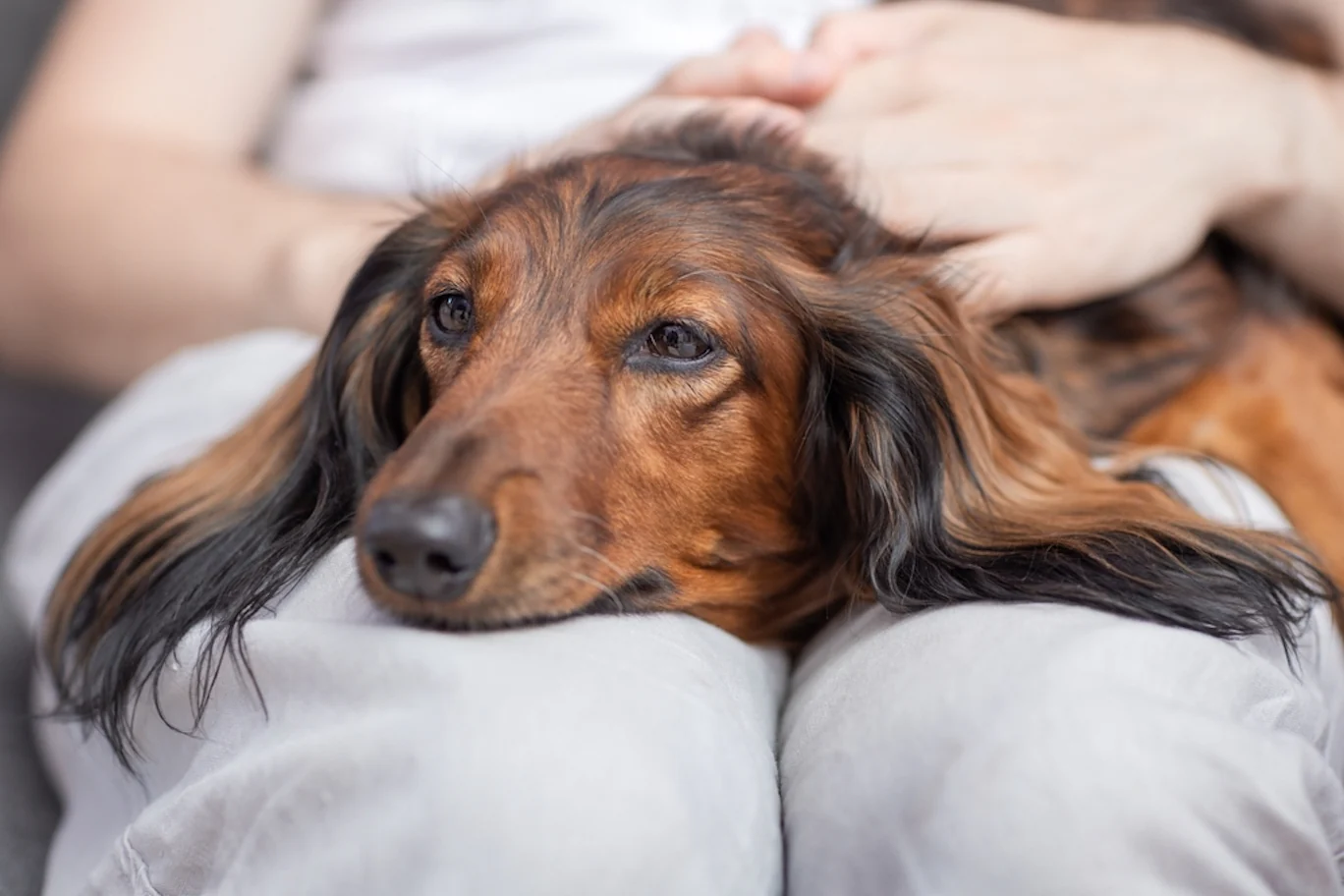
Liver shunt in dogs also impacts the relationship between the dog and its owner. Dogs require consolation and support. Owner care and support are essential for liver shunt in dogs. Regularity and gentle touch promote confidence. Regular love and care enable dogs to have a good quality of life. It also help to reduce stress for long term health management.
Conclusion
Early diagnosis and management are critical for liver shunt in dogs. Early detection and treatment by owners enhances the lives of affected dogs. Liver shunt in dogs requires regular veterinary checkups, a healthy diet and good home care. With care, dogs can enjoy a good quality of life despite this condition. Be vigilant and consult with the specialists at Park Hills Animal Hospital. Do not forget to share your valuable concerns about liver shunt in dogs.