
Most dog owners overlook the symptoms of oral cancer in dogs because the symptoms are mild at the onset. A swelling or bad breath could not be so serious. However, this disease may develop rapidly and influence the life of your dog. Many cases of oral cancer in dogs are reported in the USA. Early diagnosis help to improve treatment outcomes and provides your dog with more chances to heal. This blog will cover symptoms, treatment options and prevention tips for oral cancer in dogs.
What is Oral Cancer in Dogs?
In dogs, oral cancer is a pathology of abnormal cell growth in the mouth. It is commonly found on the gums, lips or tongue. The usual ones are melanoma, fibrosarcoma and squamous cell carcinoma. These types of tumors can be fast spreaders unless they are immediately treated.
Common Symptoms of Oral Cancer in Dogs
Dogs can exhibit oral cancer which is easy to spot with observation. The symptoms can be diagnosed as mild at the early stage but become more severe as time goes by. Early diagnosis help to save pet health.
Visible Signs
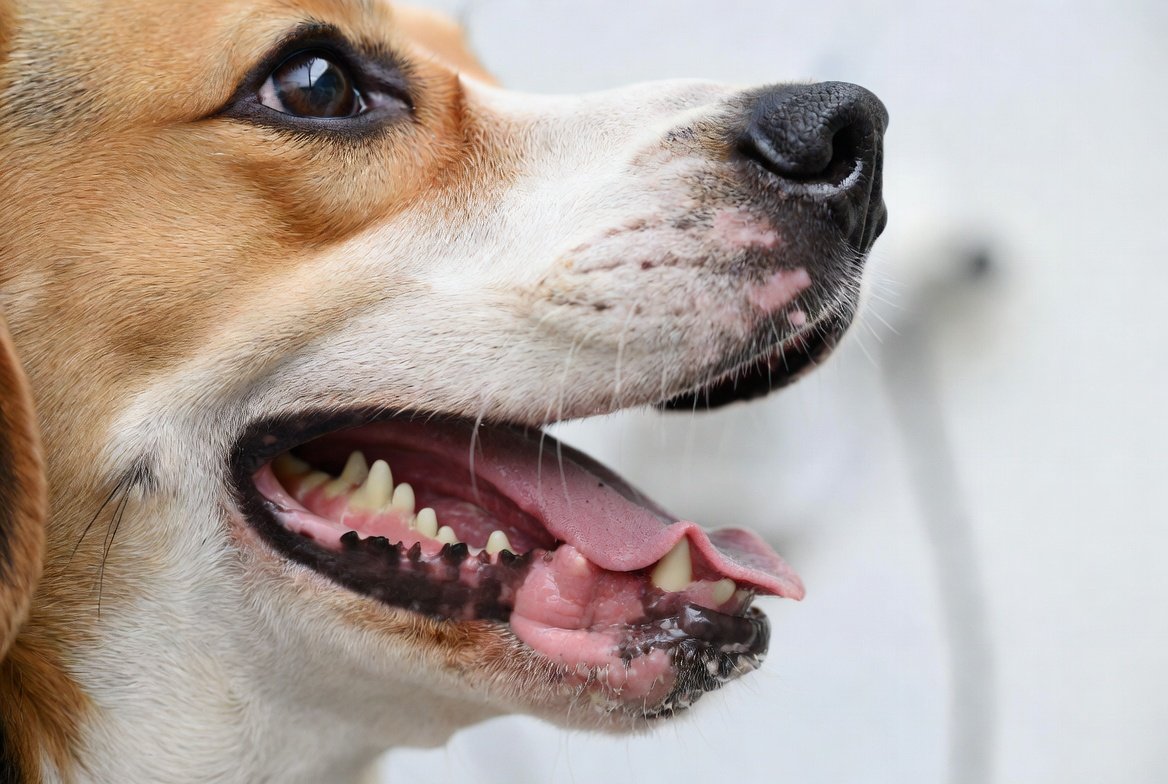
Bad breath is an initial symptom of oral cancer in dogs. The bleeding or swelling of the gums may also appear. Some dogs drool more than others. Mouth lumps frequently occur and enlarge with time. These signs need immediate Vet attention.
Behavior Changes
Dogs with oral cancer may shun food or chew slowly. They may drop food often. People also notice tooth loss and weight loss. These transformations indicate uneasiness and suffering in everyday living.
Causes and Risk Factors
There are a number of reasons that make oral cancer more dangerous in dogs. The age factor is a significant. Older dogs are at high risk of oral cancer. More cases are also observed in large breeds. Harmful chemicals can increase the risk. Orally, things can be worse with bad hygiene. Dental care prevents risk and keeps its mouth clean.
How Vets Diagnose Oral Cancer
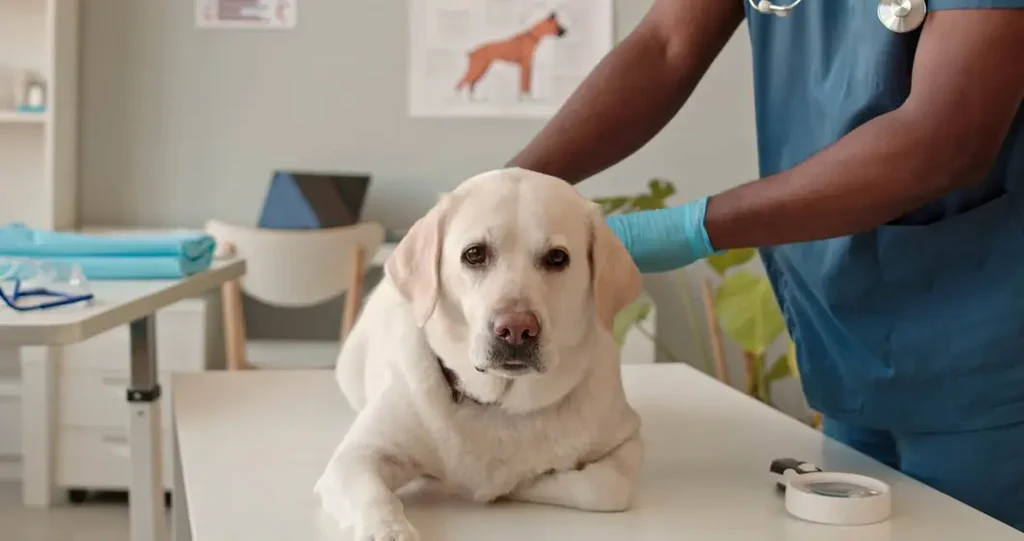
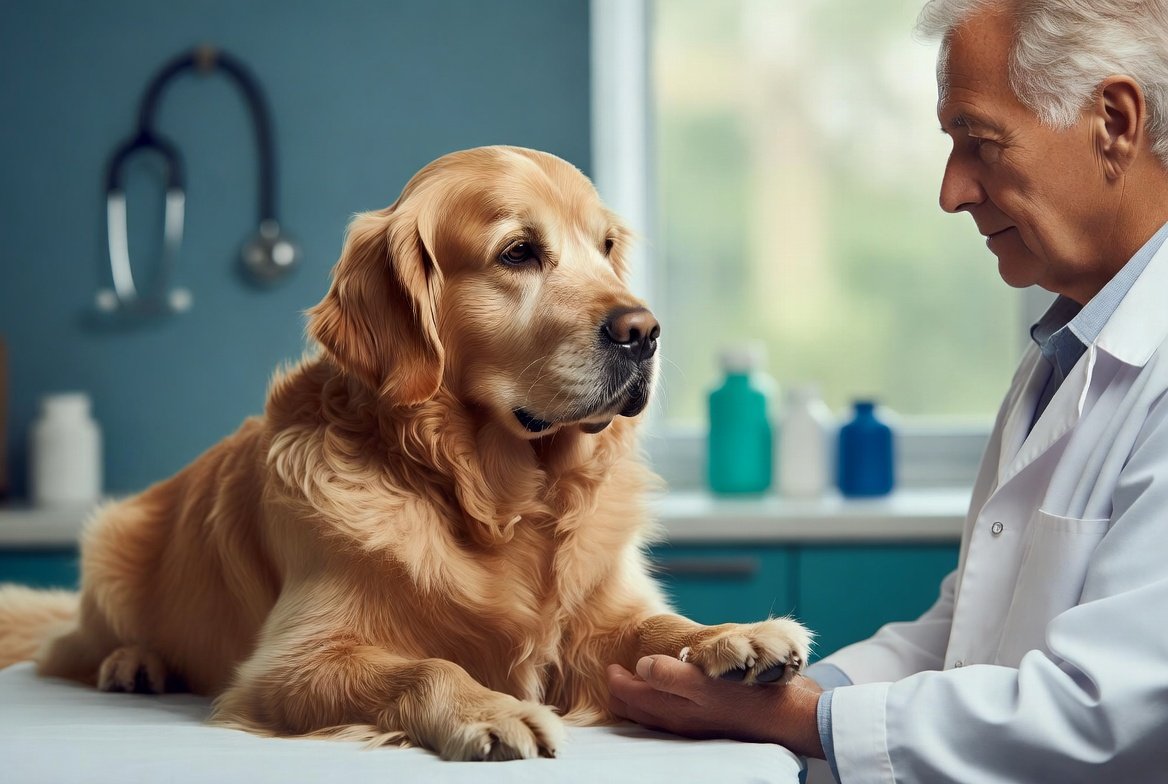
Simple measures are used to check oral cancer in dogs. They feel peep into the mouth and lumps. Early diagnosis helps in making the appropriate care plans in a short time.
Tests and Exams
Vets may recommend a biopsy to ascertain oral cancer in dogs. Imaging examinations such as X-rays are used to monitor dissemination. These steps help to direct treatment decisions. In most instances, pet surgery help to eliminate tumors.
Treatment Options for Oral Cancer in Dogs
Oral cancer in dogs is treated according to the stage and type. Early childhood education yields more. Vets select the techniques, depending on condition of your dog.
Medical Treatments
The primary treatment of oral cancer in dogs is surgery. Radiation therapy help to manage tumors. Chemotherapy help to improve treatment results in some cases. It help to enhance comfort and pain management. Proper pet nutrition help to promote quick healing and strength.
Prevention Tips for Dog Owners
Simple steps help to reduce the risk of oral cancer in dogs. Maintain healthy habits on a daily basis to protect their health and enhance their general well-being.
Healthy Habits
Oral care routines and examinations are beneficial for pet dental care and prevent oral cancer in dogs. Eat a healthy diet and stay away from smoke. Regular examinations in the course of pet grooming can identify any early signs even before they become very serious.
When to See a Vet
Do not neglect to notice early symptoms of oral cancer in dogs. Your dog can be saved within a short period of time. A n early care enhances the results and pain reduction.
Warning Signs
Visit a vet in case of bleeding, swelling or difficulty in feeding dogs associated with oral cancer. Treatment may be difficult due to delays. Diagnosis leads to success and comfort at an early stage.
Conclusion
Dogs are prone to oral cancer that would have an impact on the quality of life of your pet. Simple signs usually come out early and frequent examinations are important. Immediate care enhances recovery and lessens the pain. Lower risks are achieved through good hygiene, diet and vet visits. Be on the lookout and be quick to save the life of your dog. Visit Park Hills Animal Hospital for pet services and advice.
FAQs (Frequently Asked Questions) About Oral Cancer in Dogs
What are the oral cancer symptoms of dogs?
Bad breath, small lumps in the mouth and slight bleeding of the gums are the initial signs of oral cancer that can be observed in dogs. Dogs can also exhibit difficulty with eating or chewing food.
Is it possible to cure oral cancer in dogs?
Oral cancer in dogs can be treated if it is detected early. Tumors are frequently removed with the help of surgery. Other interventions such as radiation can enhance outcomes and increase the life of your dog.
What is the duration of life of the dog with oral cancer in dogs?
Survival is based on the levels of oral cancer in dogs. Treatment of dogs in early stages can make them live longer. Severe cases can decrease the survival period without effective treatment.
Do dogs have painful oral cancer?
Dogs can cause pain in the oral cavity. The dogs might experience pain when eating or opening their mouths. The treatment of pain control is useful in enhancing comfort and life.
What can I do to avoid oral cancer in dogs?
Oral cancer in dogs can be prevented by providing regular dental examinations, nutritious diet and frequent visits to the vet. Checking early enough will identify the problems before they become serious.