
Is your dog having bloody diarrhea? Is it experiencing any fever along with vomiting and signs of dehydration? It might be possible that your dog is suffering from canine parvovirus disease. It is a highly contagious infection of dogs that can arise due to a dog’s contact with contaminated feces. This impacts your dog’s digestive and immune health. So, understanding the parvo disease treatment options is necessary for disease management.
Understanding Parvo Disease in Dogs
Parvo disease is a serious infection of the digestive tract of the dog. It affects the dog’s immune and digestive systems. It is also called canine parvovirus, but commonly, it is known as parvo disease. The puppies are more prone to this infection, as they have a weak immune system. This infection spreads through contact with contaminated feces, food bowls, or sometimes even by human hands. This viral infection affects the dog’s health. This viral infection is not curable, but it can be managed through care and lifestyle changes for your dog.
With proper care, early diagnosis, and timely management, the survival chances of the dogs with such viral infections have increased. Parvo disease treatment options have reduced the risk of deaths of dogs with these diseases. Understanding the most effective parvo disease treatment options for your dog can help him recover fast by giving your dog the best possible chance at recovery.
Early Symptoms of Parvo Disease
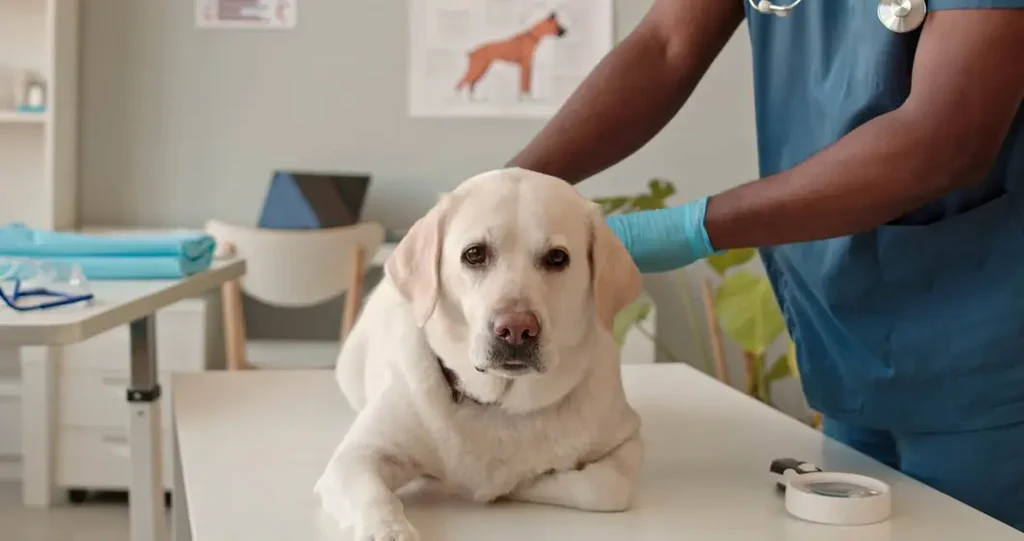
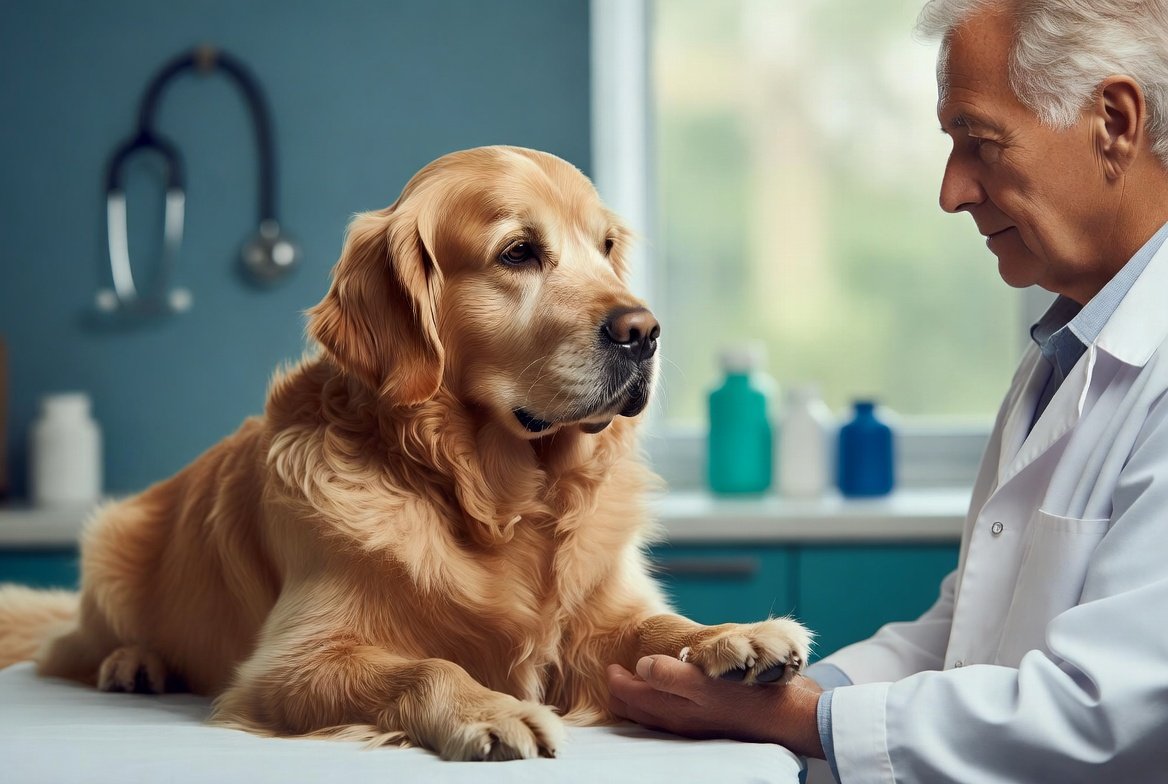
You may notice your dog being lethargic, slow, and less active. It might be having a fever with vomiting and bloody diarrhea. Parvo disease can occur in your dog, causing abdominal pain and dehydration. You should get it to a vet to confirm the probable diagnosis and early parvo disease treatment. It helps your dog recover fast.
Why Immediate Veterinary Care Is Critical
Parvo disease treatment is not like giving the dog medications, keeping it under supervision, and treating the disease. Parvo disease is not totally curable, it is manageable. The parvo symptoms are managed effectively by supporting the dog’s body. It involves strengthening the immune system of your dog. It is an intensive process of supportive care that might require hospitalization in some cases. Proper pet nutrition and a healthy lifestyle impact the dog’s recovery from this viral infection. Additional medical procedures or pet surgery may be necessary if complications arise, and this is in the more severe cases.
Parvo Disease Treatment Methods
Various parvo disease treatment methods are used to treat this highly contagious condition in dogs. You should know that parvoviruses cause such digestive and immune disturbances that these could only be managed, not treated completely. Some of the treatment methods for parvovirus diseases are given as:
Intravenous Fluid Therapy
Dehydration is one of the most life-threatening complications of parvo disease. Vomiting and diarrhea, which are common presentations of this disease, cause the dog to lose fluids and electrolytes. For this purpose, intravenous fluid therapy is primarily used as a parvo disease treatment method. This fluid intake in the body keeps it hydrated and regulates the body’s electrolytes. It also improves the blood circulation. Potassium and glucose are also given to the dog with parvovirus to ensure that the body’s metabolism is maintained. This alone can be a lifesaver.
Anti-Nausea and Anti-Vomiting Drugs
Vomiting must be controlled in such dogs. Chronic vomiting will not allow dogs to retain fluids or medications in their bodies. So, many veterinarians prescribe anti-nausea drugs to decrease vomiting and give the dogs’ bodies time to stabilize. Anti-nausea drugs will help to decrease nausea, making other treatments more effective in parvo disease treatment.
Antibiotic Therapy
Different antibiotics are used for parvo disease treatment. This is because the virus compromises the lining of the intestines by allowing bacteria to enter the bloodstream. Antimicrobial medications, such as a broad-spectrum antibiotic, are used for parvo disease treatment. It helps prevent or treat these bacterial infections by reducing possible complications and rising survival rates.
Nutritional Support in Parvo Recovery
When vomiting is controlled, veterinarians may start feeding pets with an easily digestible diet in small amounts. During the early stages, proper nutrition supports the healing of the damaged intestinal lining and boosts the body’s immune system.
If a dog refuses to eat, you can use a feeding tube for it. Though this sounds dramatic, it is very beneficial in helping recover from whatever is ailing a dog. It is very important that food be reintroduced gradually in parvo disease treatment. Giving your dog too much food all of a sudden can lead to further gastrointestinal problems.
Preventing Parvo in the Future
Early prevention is obviously the best for parvo disease treatment. Vaccination is considered essential for all puppies and adult dogs. Observing good pet ownership practices, such as spaying and neutering, also helps in preventing the spread of some diseases and infections in dogs.
You should also disinfect the area around your dog with appropriate cleaners. Also, avoid taking your puppy to public places until the vaccination series of your dog is completed. It further reduces the risk of infection and helps in parvo disease treatment if the dog is currently suffering from it.
Also, if you are considering using the pet boarding services, you should check that they have proper vaccination requirements and adhere to proper sanitation to avoid the spreading of parvovirus.
What to Expect During Recovery
The recovery period of parvo disease treatment varies from one to two weeks, depending also on the severity of the parvovirus. Dogs may remain weak even when they are released from the hospital. The progress of improvement in appetite and strength is, therefore, a great indicator of parvo disease treatment.
Follow-up veterinary visits are important. These visits ensure that the hydration status, weight, and health status of your dog are progressing favorably. Resultantly, with such veterinary care of dogs, the benefits of parvo disease treatment are achieved, and many of them recover fully.
Parvo is an incredibly aggressive and serious disease. However, having Parvo does not necessarily condemn your dog to death. In fact, with prompt supportive care and aftercare, your dog can live. The key is prompt action and communication with your veterinarian.
Conclusion
Parvo disease, in particular, is an emerging threat to the health of dogs, especially young dogs and those that have not been vaccinated against the disease. Early identification of the disease, in addition to parvo disease treatment, can save the life of an infected dog and increase the chances of the dog living a happy life despite the infection.
Even as the disease threatens the health of dogs, vaccinations remain the most reliable method of protecting your dog from the many risks of the parvo disease. If your dog shows the symptoms of the disease, you can contact professionals at Park Hills Animal Hospital, a prudent medical facility trusted by dog owners to help you with parvo disease treatment.
Frequently Asked Questions (FAQs) About Parvo Disease Treatment
What is parvo disease in dogs?
Parvo disease in dogs is caused by parvovirus. It is a condition in which the dog’s intestine and the immune system are affected. This disease is highly contagious and dangerous for the puppires and the unvaccinated dogs.
What early signs of parvo disease should be monitored?
Your dog may experience lethargy and loss of appetite. You can note vomiting and diarrhea in your dog. This disease may present with fever and abdominal pain. It can suffer from extreme weakness and may have bloody diarrhea.
Can parvo be treated at home?
Yes, the mild cases of parvo can be treated easily, but for the moderate to severe conditions, you can get a vet consultation for your dog. In some cases, hospitalization can also be required for your dog due to the risk of rapid dehydration and further health complications.
How much time will my dog recover from parvovirus?
Usually, a dog recovers in one to two weeks after being affected by a parvovirus. Some dogs do require special care for nutritional needs for a better recovery after hospitalization.
How should I respond if my dog shows signs of parvovirus?
You should take your dog immediately to a vet. Early diagnosis and management of parvo helps treat it well and also reduces the risk of further health complications