Pets can not tell you when they are in pain. Many pets have dental problems without clear signs. It can expand rapidly and pose a potential dental health problem. Pet oral surgery is the solution to these issues and a way to improve their quality of life. This blog will cover the top reasons why pet oral surgery is required and how vets cure these problems in easy words.
What Is Pet Oral Surgery and Why Does It Matter
Pet oral surgery is a veterinary procedure used to treat serious dental problems in pets. It is used when basic care fails in veterinary medicine. It shields your pet against agony and contamination. This veterinary treatment help to improve eating and dental health. Most pet owners do not consult with a vet until problems are noticed. Regular veterinary checkups and early diagnosis help to prevent serious health problems.
Top Reasons for Pet Oral Surgery
The dental issues may develop rapidly. Some dental conditions require surgery to repair pain and damage. You should know about the top reasons for pet oral surgery to act early. The top reasons for pet oral surgery are as follows:
Severe Tooth Decay
It brings about pain and infection. Pets may stop eating or behave differently. The pet oral surgery extracts rotten teeth and prevents infection. Vets are quick to defend other teeth and enhance comfort.
Gum Disease
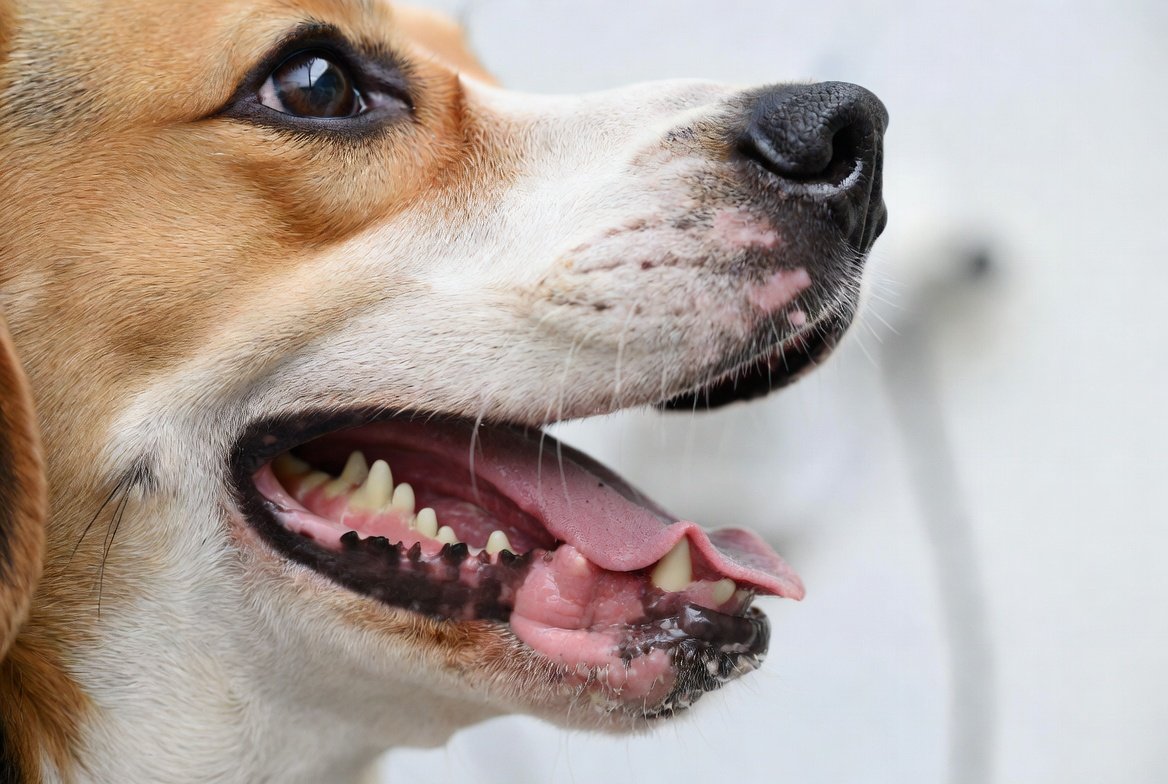
Periodontal diseases are extremely prevalent in animals. It begins mildly but develops into a serious dental health problem. Pet oral surgery can be required in an advanced stage. Vets help to scrape deep areas and remove infected tissue. Good pet nutrition help to support healthy gums.
Broken or Damaged Teeth
Pets can easily chew hard things. Sometimes, this practice can damage their teeth. A fractured tooth can expose the nerves and be painful. Pet oral surgery help to repair or extract a damaged tooth. It also help to avoid infection and irreversible damage.
Oral Tumors or Growths
Some pets grow oral tumours in their mouth. These growths are potentially detrimental. Pet oral surgery extracts them without complications. Early diagnosis is beneficial for rapid recovery and it saves your pet’s life.
How Vets Diagnose Dental Problems
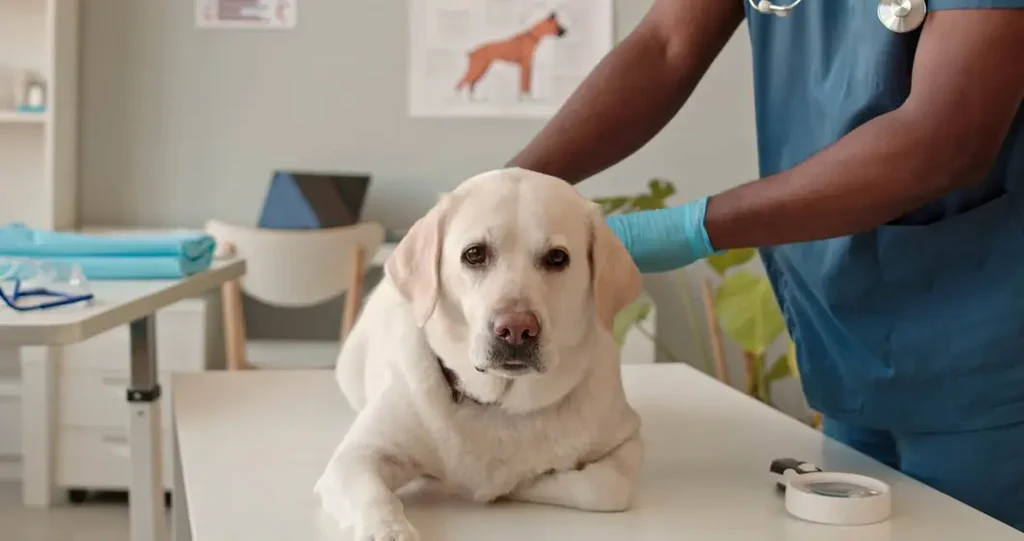
The vets examine the mouth of the pet with simple tools. The early diagnosis prevents severe treatment.
Physical Exams
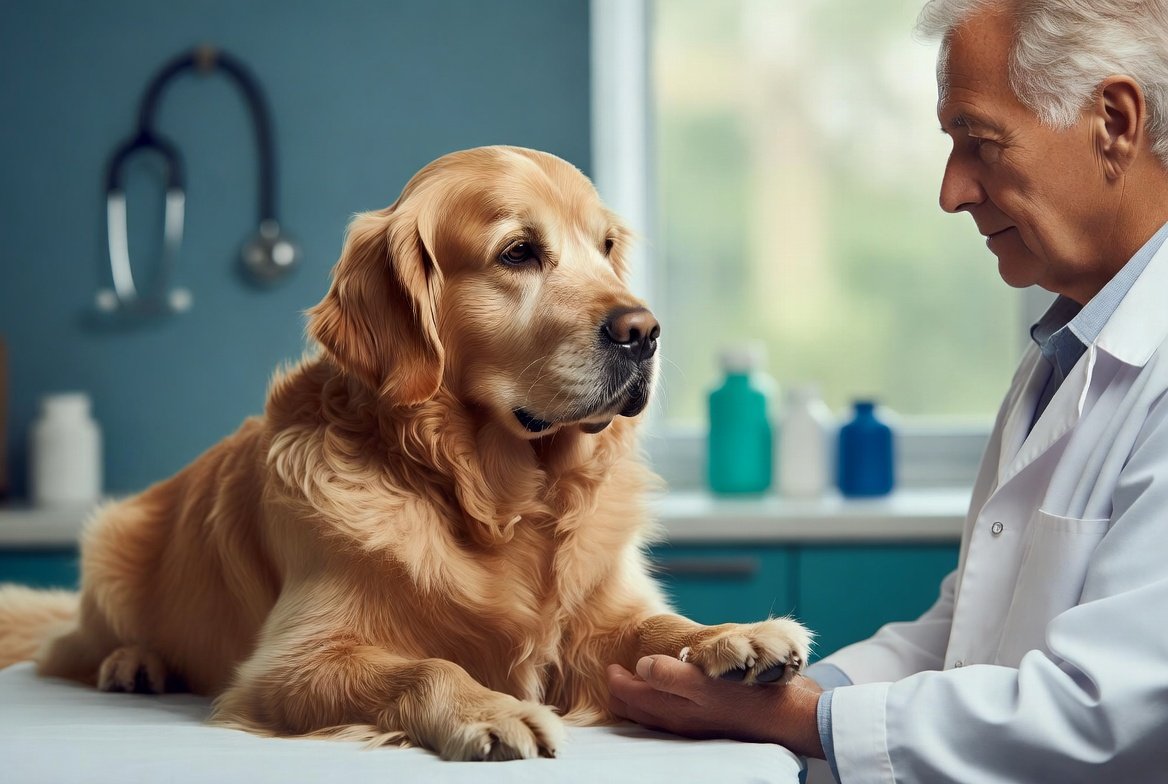
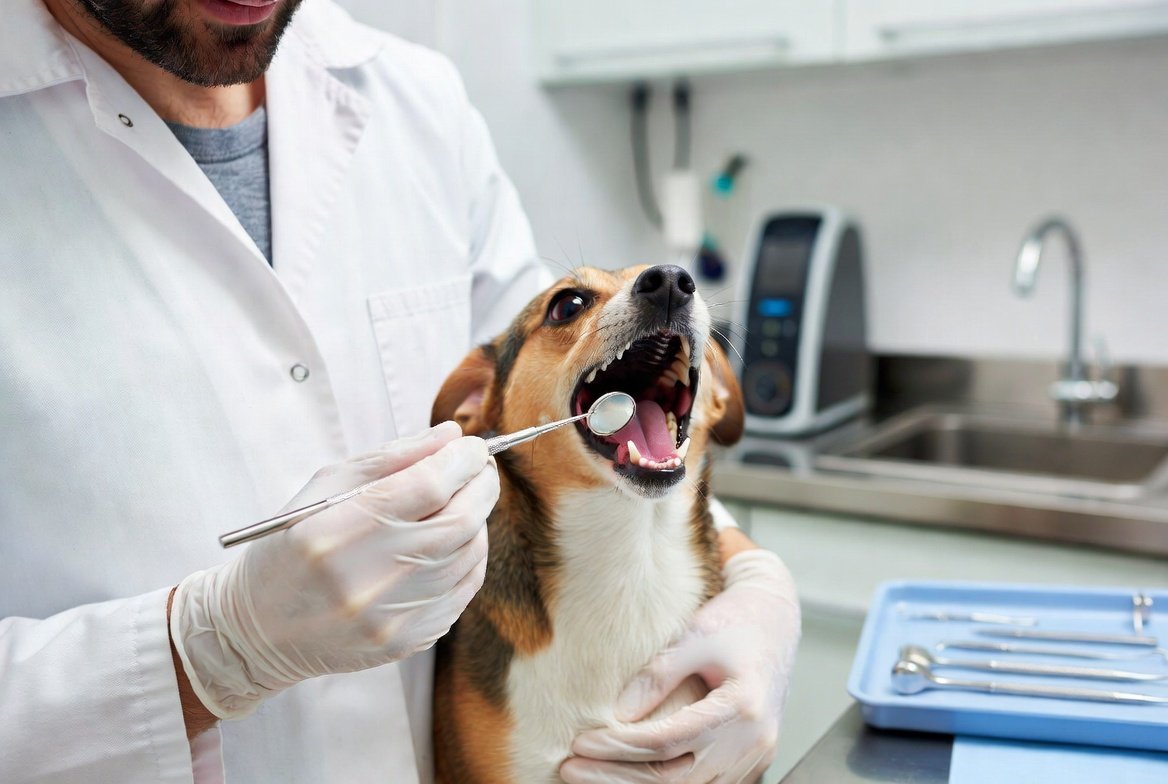
Vets examine teeth, gums and the condition of the mouth. They seek swellings, bleeding or destruction. This test helps them in making decisions on whether they need pet oral surgery or not.
Dental X-rays
Below the gums, there are problems that are revealed through X-rays. They help the vets in locating severe infections or injuries. It help to ensure that there is proper treatment and improved outcomes.
Types of Pet Oral Surgery Procedures
Various dental problems require different forms of treatment. Veterinarians select the appropriate approach depending on the issue. Three types of pet oral surgery are as follows:
| Procedure | Purpose |
| Extraction | Remove teeth |
| Gum surgery | Treat gums |
| Tumor removal | Remove growth |
Tooth Extraction
Vets extract those teeth that are not healed. Pet Oral Surgery is used to relieve pain and infection. This is a standard and safe veterinary procedure.
Gum Surgery
Gum surgery is the cure for deep infections. It help to remove and repair damaged tissues in the mouth. This enhances the pet’s oral health and prevents further oral damage.
Tumor Removal
Vets extract detrimental growths during pet oral surgery. This would save your pet from severe dental health consequences. Immediate intervention yields more results.
How Vets Treat Dental Issues Without Surgery
Not all dental problems require surgery. Some treatments are effective during the initial stages. These are cheaper than pet oral surgery. It includes professional cleaning in a veterinary clinic and medication.
Professional Cleaning
Vets remove plaque and tartar from the teeth. This measure eliminates grave problems. Pet cleaning on a regular basis minimises the chance of pet oral surgery. It is also good in supporting long term health.
Medications
Vets use medications to treat infections and pain. These consist of pain relievers and antibiotics. It help to prevent chances of pet surgery and keeps your pet at ease.
Recovery After Pet Oral Surgery
Healing is easy when you follow the vets’ advice. Due care would help your pet recover quickly. Home care is essential for rapid recovery after pet surgery. It can include the following:
- Soft food
- Clean mouth
Give soft food to your pet and do not feed him hard food. Monitor healing daily because proper care can recover faster after pet oral surgery.
Follow Up Visits
Periodic checkups are used in the healing process. Vets make sure that everything becomes better. Such visits can eliminate future complications and promote the general well-being.
Prevention Tips for Better Oral Health
It is always better to be proactive than reactive. Mundane habits can help to make your pet healthy. It can include the following practices:
- Daily brushing
- Vet visits
Frequent brushing help to manage plaque. Early issues are identified through regular checkups. Services such as pet grooming also contribute to the hygiene. Safe practices such as Spay and Neuter also contain health checks which diagnose dental problems at early stages.
Conclusion
Dental health of pets is significant for their lives. Neglecting issues may cause pain and serious health risks. Pet oral surgery help to treat complex problems and make treatment more comfortable. It matters a lot when a pet is cared for at a tender age and receives frequent checkups. It is always important to be alert and not wait. A happy and active pet has a healthy mouth. The specialists at Park Hills Animal Hospital are to be trusted in the United States.