Pet surgery is one of the most significant advancements in veterinary medicine, helping to improve life, relieve pain, and provide solutions of great assistance to long-term health for your companion pets. Many pet owners may feel overwhelmed at the thought of surgically treating their pet due to both emotional and medical uncertainty. Having the knowledge to understand why a veterinarian is recommending surgery, pet surgery benefits, as well as the potential pet surgery risks associated with undergoing it, will help provide owners with more confidence in their decision-making process.
Today, the veterinary profession uses many advanced surgical techniques, has improved anaesthetic agents and monitoring techniques. This has allowed veterinarians to achieve a greater degree of success and a lower incidence of complications from surgery than in years past. However, all surgical procedures are always associated with some level of risk. Being aware of the risks, as well as being prepared for your pet’s surgery, is significant in the appropriate responsibility of pet ownership.
Evolving Scope of Veterinary Surgical Treatment
The need for surgical intervention arises when a medical condition cannot be treated solely. When the use of medications is not enough, pet surgery is recommended. It is used in such cases as with pets that are injured, need to have an abnormal growth removed, or have an internal problem and require surgical intervention to improve their quality of life.
Determining When Surgery Is the Best Medical Option
Pet surgery is recommended in conditions such as minor injuries or accidents. Removal of tumors or cancers, along with treating any internal obstruction, i.e., blocked intestines, requires pet surgery.
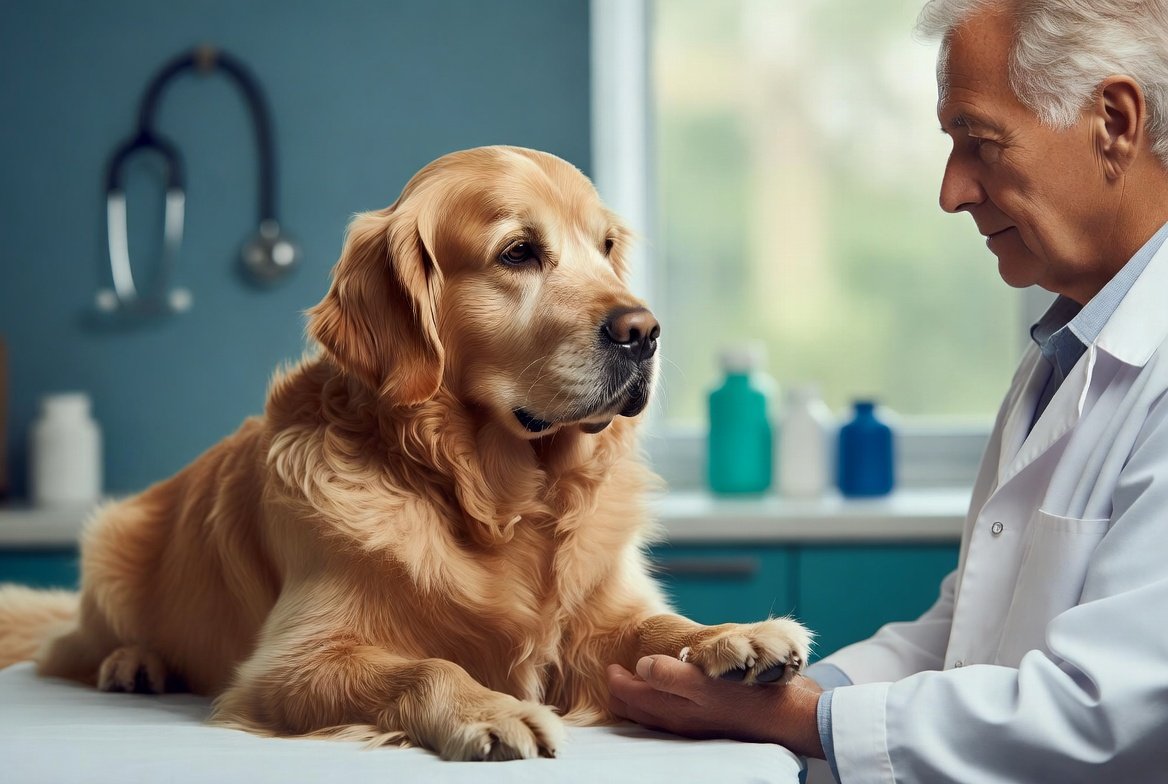
Surgical procedures can also help alleviate chronic pain or difficulty moving when no other method of treatment produces positive results. Veterinary surgeons always conduct a thorough evaluation of the pet before making surgical recommendations to ensure the surgery is needed and that the pet is stable to undergo surgical anesthesia as well as surgical recovery.
Understanding Common Pet Surgical Procedures
There are many types of pet surgeries, which can differ in both the procedure that needs to be done and time sensitivity. Some surgeries are either planned in advance with a veterinarian appointment and future health complications in mind or done during an emergency and life-threatening situation.
Routine Procedures and Emergency Surgical Care
Typical surgeries such as neutering, spaying, and declawing will be regularly scheduled ahead of time and typically performed in a controlled environment, whereby your pet will have a better recovery.
Emergency surgeries, such as trauma, massive internal bleeding, and sudden organ failure, are cases in which timely management is quite important. The veterinarian and their team must quickly evaluate and determine how best to stabilize the pet so that they may have the surgery done. All of this monioting and examination is important for reducing the pet surgery risks.
Pet Surgery Benefits Explained
Pet surgery can provide numerous advantages that help improve health and quality of life for pets. Many conditions that cause pets to experience ongoing pain, discomfort, or poor quality of life can be treated successfully through surgery.
Improving Comfort, Mobility, and Long-Term Health
Providing comfort to the pet and restoring mobility are the two primary ways in which surgery can benefit pets and lessens the pet surgery risks. Many animals that are currently experiencing an injury or chronic illness may be in significant pain, which cannot be effectively controlled by medications alone.
When the cause of pain is surgically removed, pets may return to their normal activity level. Surgery may also help prevent serious future complications by removing harmful growths or correcting internal problems early. Pets will show increased energy, improved appetite, and overall improved behavior after healing from the surgery.
Risks and Considerations Every Pet Owner Should Understand
Every pet owner needs to be aware of potential pet surgery risks and other issues before having a vet perform a surgical procedure on their companion. Despite there being significant improvements in veterinary surgery over time, there continues to be some inherent risk associated with every surgical procedure. Pet owners need to understand these risks in order to be mentally and physically prepared for this experience.
Factors That Influence Surgical Safety and Recovery
There are several pet surgery risks that influence how safe and successful the outcome of the surgery will be. Some factors include the age of the pet, the breed of the pet, the pet’s existing health problems, and the type of surgery that is going to be performed, all impact the safety of a surgical procedure. It is very important to note that older pets or pets with existing health problems are going to require more careful monitoring pre-operatively, during surgery, and post-operatively.
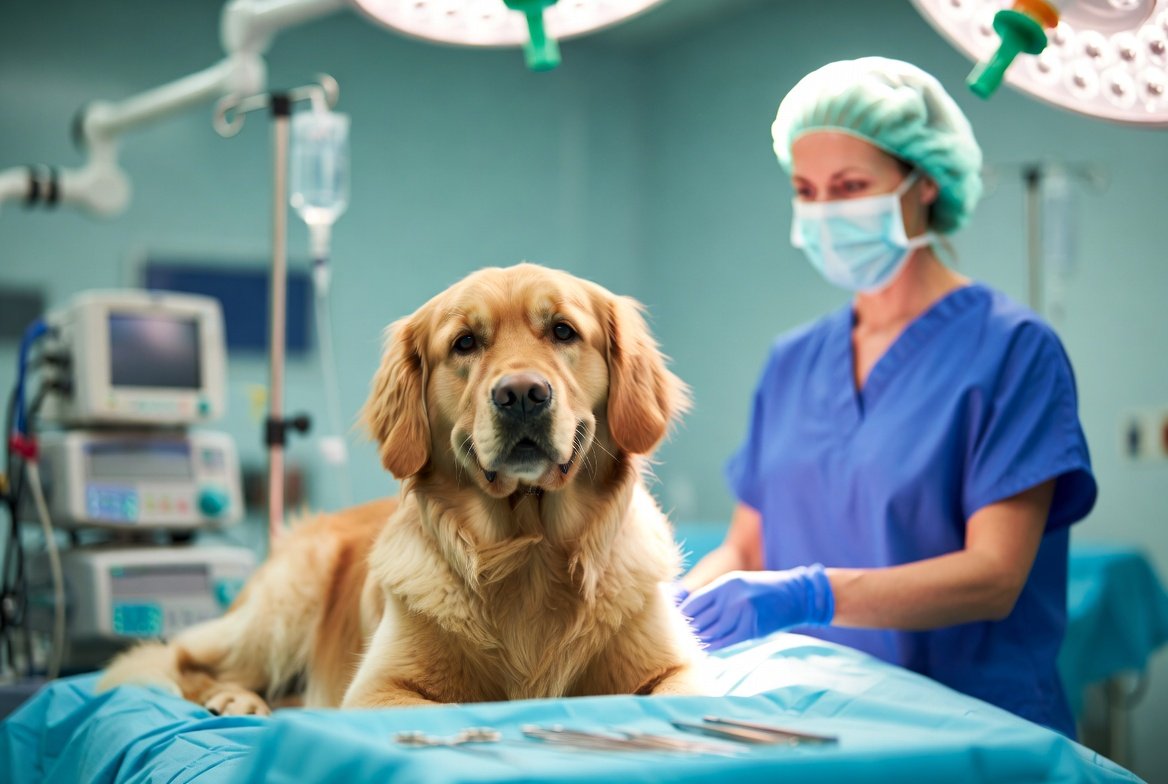
Although anesthetic medications are used safely and effectively in veterinary medicine, the exact same anesthetic medicine can produce very different reactions in dogs from the same breed, size, and age. The veterinarian is responsible for continuously evaluating and monitoring the heart rate, breathing, and other vital signs of the pet while the pet is under anesthesia to support the safety of the pet. In very rare instances, pets can experience complications such as infection or a delayed healing process. However, using proper follow-up care will significantly reduce your pet’s chance of experiencing complications.
How Integrated Care Supports Better Pet Health Outcomes
Preventive and supportive care helps ensure the healthy well-being of a pet. When integrated care is combined, it positively influences the pet’s health and wellness. It improves their quality of life and ensures long-term health. Some of the measures in integrated care support for your pets are:
- Pet Nutrition services: These services help ensure that your pet has a balanced diet and support their recovery from illness or injury by providing the right type of food. Proper nutrition helps prevent complications before and after pet surgery. And it is also beneficial for reducing related pet surgery risks.
- Pet Boarding: It keeps pets safe while owners travel and keeps pets with someone they know will take quality care of them before or after the surgery.
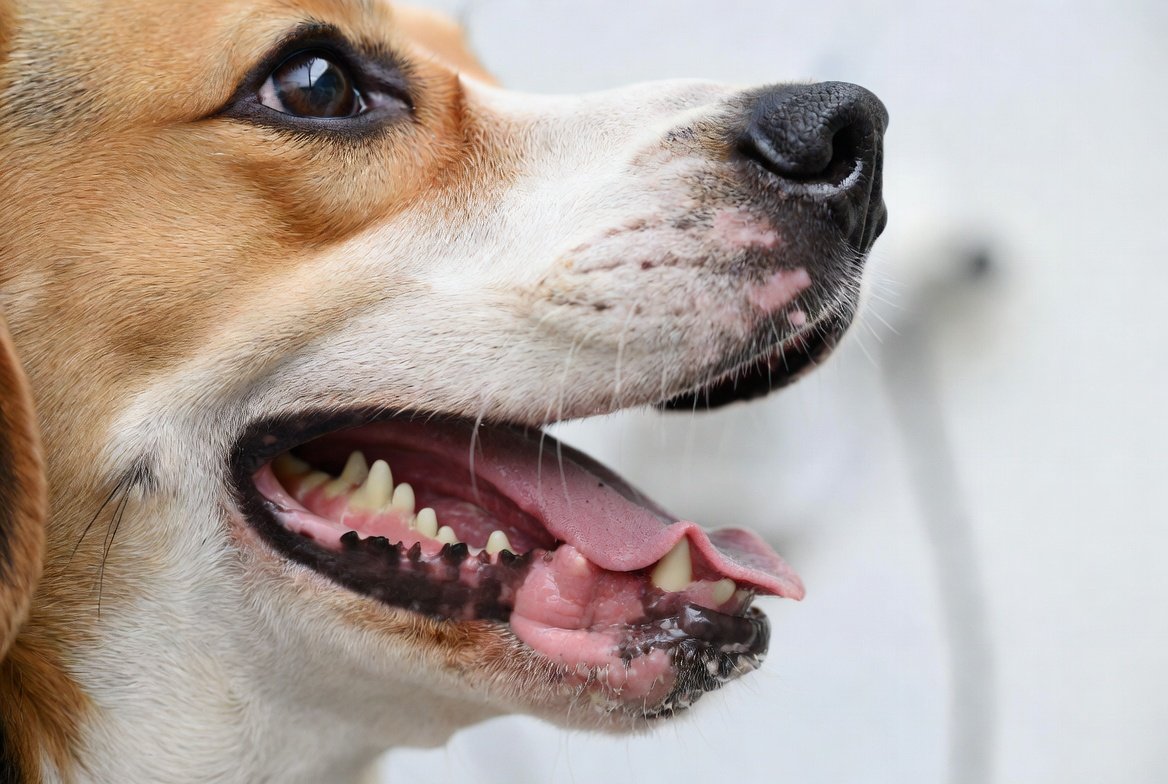
- Pet Dental Care: It can help prevent dental diseases, which could potentially lead to other serious medical problems that require pet surgery if not treated promptly.
- Spaying and Neutering: It plays an important role in population control, as well as reducing the pet surgery risks that may occur later in life. Some pet parents decide to have a pet surgery to get their animals spayed or neutered for their long-term health.
- Pet Grooming: Regularly scheduled grooming prevents and helps identify skin problems or other physical problems that may require veterinary care and reduces the risk of related surgeries.
All of these services are ultimately part of a comprehensive, holistic approach to pet health that allows both prevention from pet surgery risks and treatment of different types of illnesses. In many cases, this integration will decrease the amount of emergency pet surgery.
The Importance of Structured Pre and Post-Surgical Care
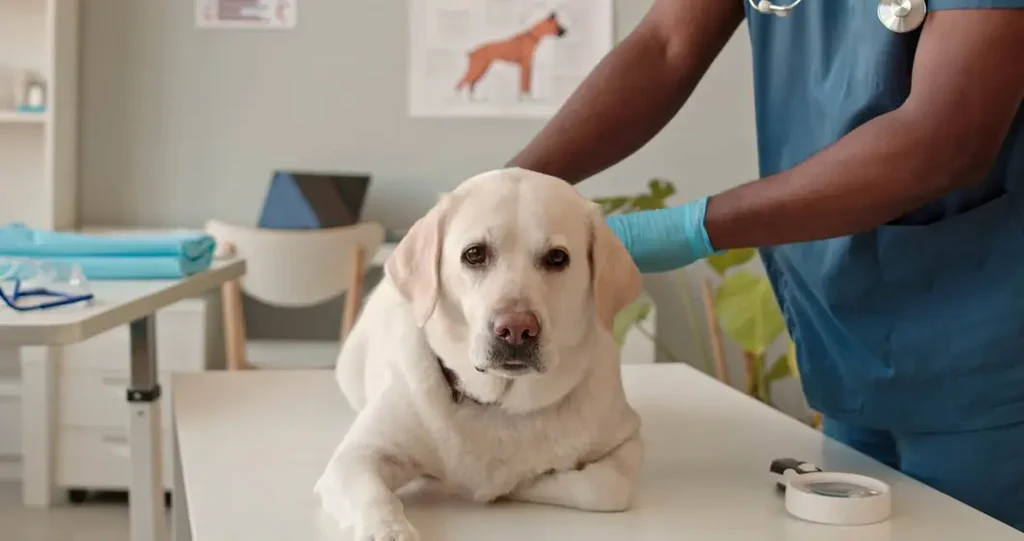
A vet will do a complete health evaluation of the pet prior to performing the surgical procedure to make sure it is healthy enough to undergo anesthesia and is able to tolerate the surgery itself. It helps eliminate the pet surgery risks. This usually includes performing some form of diagnostic testing, along with providing information regarding how long the pet should have been fasting prior to surgery. The goal of this screening is to minimize the risk associated with the surgical procedure.
Once the surgery has been performed, it is critical for a pet to be kept in a calm, quiet place while recovering from the surgery, as important for reducing the chances of pet surgery risks. Limiting your pet’s physical activity is necessary to protect the surgical area, while at the same time, using medications prescribed by the vet is important to keep the pet comfortable and free from possible infection.
Pet owners should also monitor their pets throughout their recovery for any unusual pet surgery risks or visible symptoms. When adequately cared for, the majority of pets will have a quick recovery period and return to their usual daily routine quickly, usually within a week.
Conclusion
Modern veterinary practices utilize surgery as an essential part of providing care for pets. Some procedures have inherent pet surgery risks, but recent advances in technology related to surgery and anesthesia, as well as improvements in the techniques to perform surgical procedures, have increased the safety of performing surgeries. Surgery includes both preventive care and supportive care, with the goal of providing long-term quality of life for pets through the delivery of proper animal healthcare services. It also reduces the pet surgery risks and promotes the pet’s well-being. If you plan to have a pet surgery for your companion’s well-being, you can visit Park Hills Animal Hospital.